In this custom silicone stove gap cover project, Renjia worked with an anonymous brand owner. The buyer type is a brand owner; the country or region is not disclosed. The product is a flexible silicone stove gap cover offered in black and white retail versions. The project context was to cover the gap between a stove and countertop while supporting online and offline retail presentation. This customer case records the documented design, sampling, packaging preparation and packing checks only. It does not disclose the buyer or infer commercial or end-user performance.
Project Snapshot
| Item | Documented record |
|---|---|
| Buyer profile | Brand owner; country or region not disclosed |
| Product | Flexible silicone stove gap cover offered in black and white retail versions |
| Project context | Cover the gap between a stove and countertop while supporting online and offline retail presentation |
| Documented requirements | Reduce crumbs and liquid entering the gap; keep a long profile straight; allow trimming for kitchen length; present installation and use clearly on separate black and white packages |
| Custom elements | Continuous long silicone profile; central locating rib; flexible wings on both sides; black and white colors; 3D cross-section design; transparent bag option; retail boxes and instruction insert |
| Documented challenge | Accommodate common width and height differences without edge lift or a new debris gap, while reducing bending during production, packing and transport |
| Documented process | Redesign the profile around a central locating rib and two flexible wings; adjust thickness transitions for surface contact and trimming; make a white sample to review straightness and profile consistency; prepare color-matched retail packaging and installation instructions; use straight placement and limiting support in cartons |
| Documented checks | Structure, appearance, package configuration and carton arrangement |
| Recorded outcome | Completed black and white gap-cover versions with bag, retail-box and bulk-packing options |
| Evidence boundary | No exact dimensions, order quantity, schedule, grade, hardness, installation test result or consumer outcome is supplied. Public scope is anonymous. |
Development Challenge
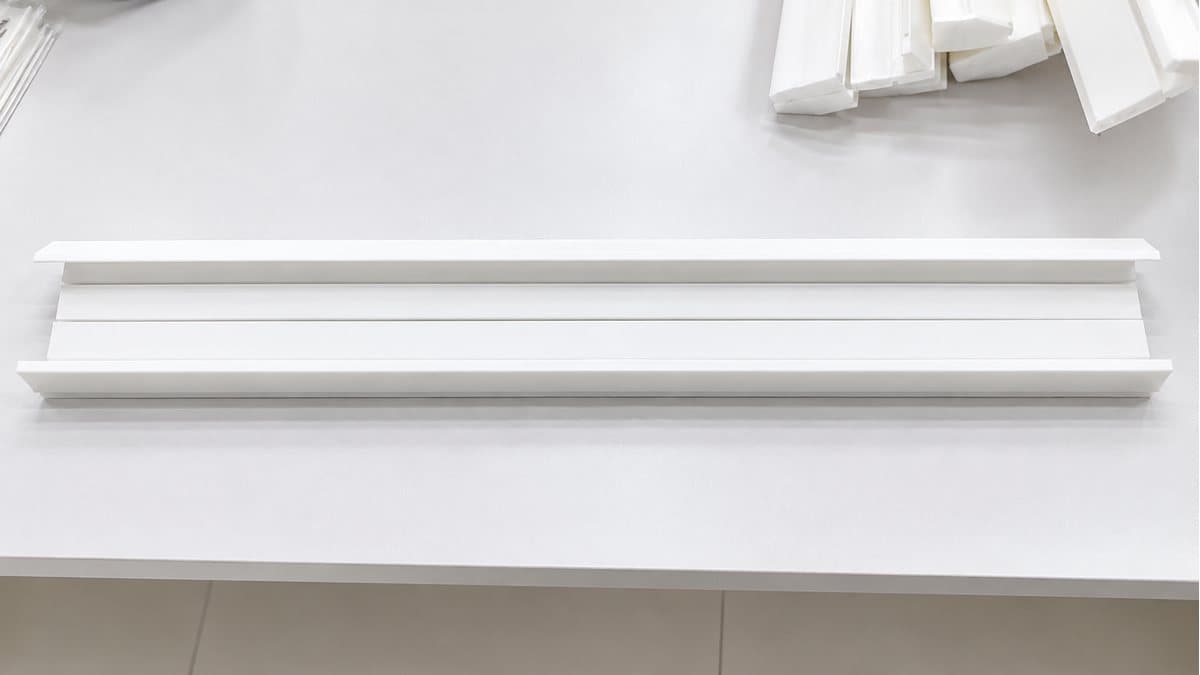
A stove-to-countertop gap is not a single fixed opening. The documented project had to accommodate common width and height differences without edge lift or a new debris gap. That requirement shaped both the silicone profile and the way the product would sit against surrounding surfaces.
For a related manufacturing reference, review OEM silicone product development.
The cover also needed to maintain a long, straight profile. Because the product is flexible and supplied in a long form, bending during production, packing and transport was a documented concern. If the profile bent or twisted before retail presentation, straightness and profile consistency could be affected before the buyer or end user opens the package.
Documented Development Process
The recorded process focused on the profile, sampling, packaging and carton arrangement.
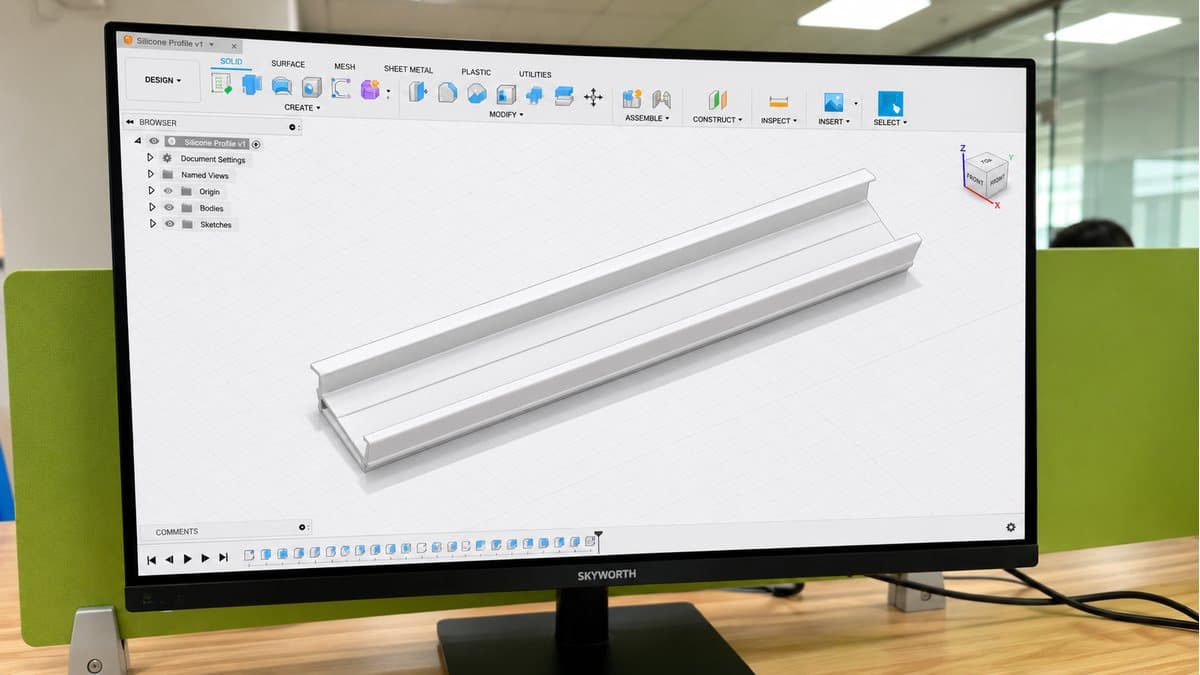
- The profile was redesigned around a central locating rib and two flexible wings. This structure was intended to help the cover sit in relation to the appliance and countertop while allowing the wings to contact adjacent surfaces.
- Thickness transitions were adjusted for surface contact and trimming. The cover needed to support contact with surrounding surfaces while still allowing trimming for kitchen length.
- A white sample was made to review straightness and profile consistency. This was a documented sample stage, not an end-user installation test.
- Color-matched retail packaging and installation instructions were prepared. The record notes separate black and white packages, with installation and use presented clearly.
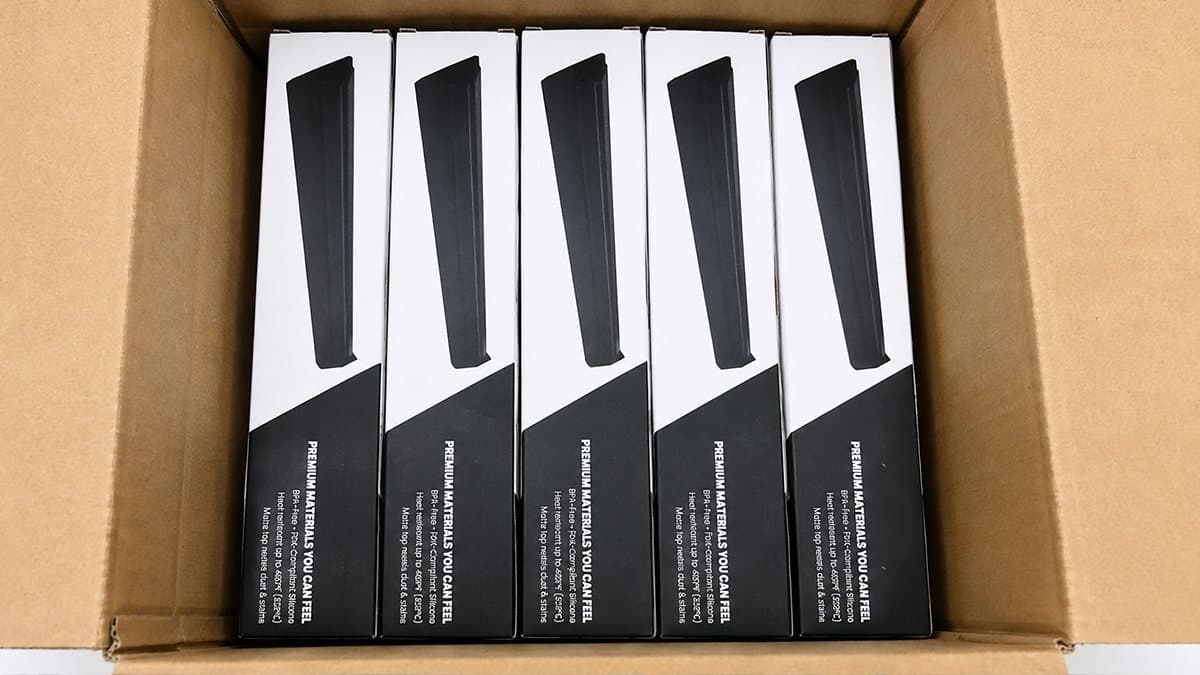
- Cartons used straight placement and limiting support. This was part of the effort to reduce bending during packing and transport.
What the Supplied Records Show
The documented checks covered structure, appearance, package configuration and carton arrangement. The internally recorded result is that black and white gap-cover versions were completed with bag, retail-box and bulk-packing options.
For additional context on this decision, see silicone product quality control.
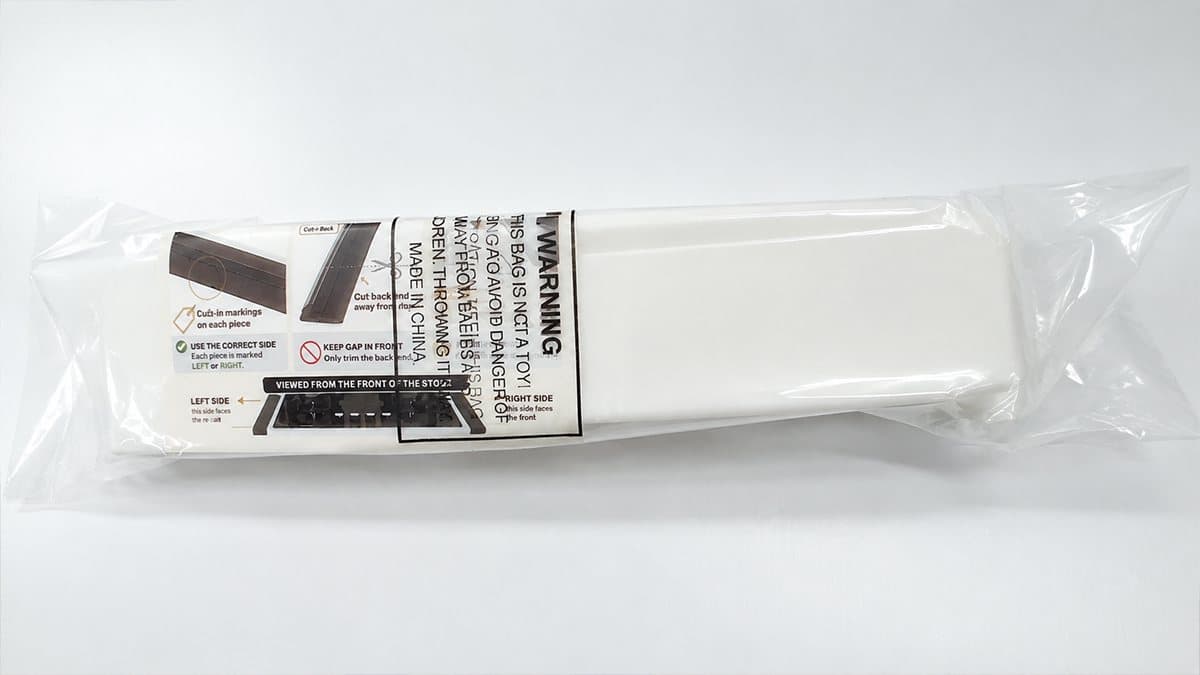
Selected images show the white finished profile, CAD cross-section, bag packaging and black retail boxes in a carton. These images prove only the visible product, design or packing stage. They do not prove commercial success, delivery acceptance, installation performance or end-user satisfaction. The evidence ceiling remains the verified project record: no order quantity, schedule, test value or consumer outcome is supplied.
Packaging and Delivery Preparation
The verified packaging and delivery preparation facts are limited. The project included a transparent bag option, retail boxes and an instruction insert. Separate black and white packages were required, with installation and use presented clearly. Color-matched retail packaging was prepared.
Before finalizing the specification, use silicone product range as an additional planning reference.
The record also notes straight placement and limiting support in cartons. These carton arrangements were part of the documented packing approach. No order quantity, production schedule, barcode, transport label or customer-specific marking is supplied. The public scope is anonymous, and the buyer is not identified.
Buyer Checklist
For a similar silicone stove gap cover project, practical questions include:
- What gap width and height range should the cover be designed to address?
- Should the cover be trimmable, and what trimming method or allowance should be considered?
- How will the central locating rib interact with common stove and countertop edges?
- How should the flexible wings contact adjacent surfaces without edge lift or a new debris gap?
- What straightness expectation applies to the long profile after production, packing and transport?
- Which colors are required, such as black and white, and should each color have its own packaging?
- Should the product be offered in a transparent bag, retail box, bulk packing or a combination?
- What installation and use steps must appear on the instruction insert?
- What carton support or placement method will help limit bending during transport?
- Which sample reviews should be completed before production, such as straightness and profile consistency checks?
- What structure, appearance, package configuration and carton arrangement checks should be documented?
These questions are neutral guidance for scoping a similar project. They do not replace project-specific engineering, testing or retail requirements.
Project Inquiry
If you are planning a custom silicone stove gap cover project, Renjia can review the application, retail format and packing preference with you. For OEM silicone product development, see OEM silicone product development. For related silicone items, review the silicone product range. For quality-control considerations, see silicone product quality control. Share your gap-covering requirement, color direction, packaging format and carton expectations so the next project can be defined against documented facts.