An anonymous brand owner needed a brown silicone sleeve for an existing mascara or lash-serum tube. The sleeve had to fit the supplied tube body, carry a visible custom logo and work with black and metallic-colored components during batch assembly. This case records the supplied design, production, inspection and packing evidence. The buyer’s name, country, order quantity and delivery schedule are not disclosed.
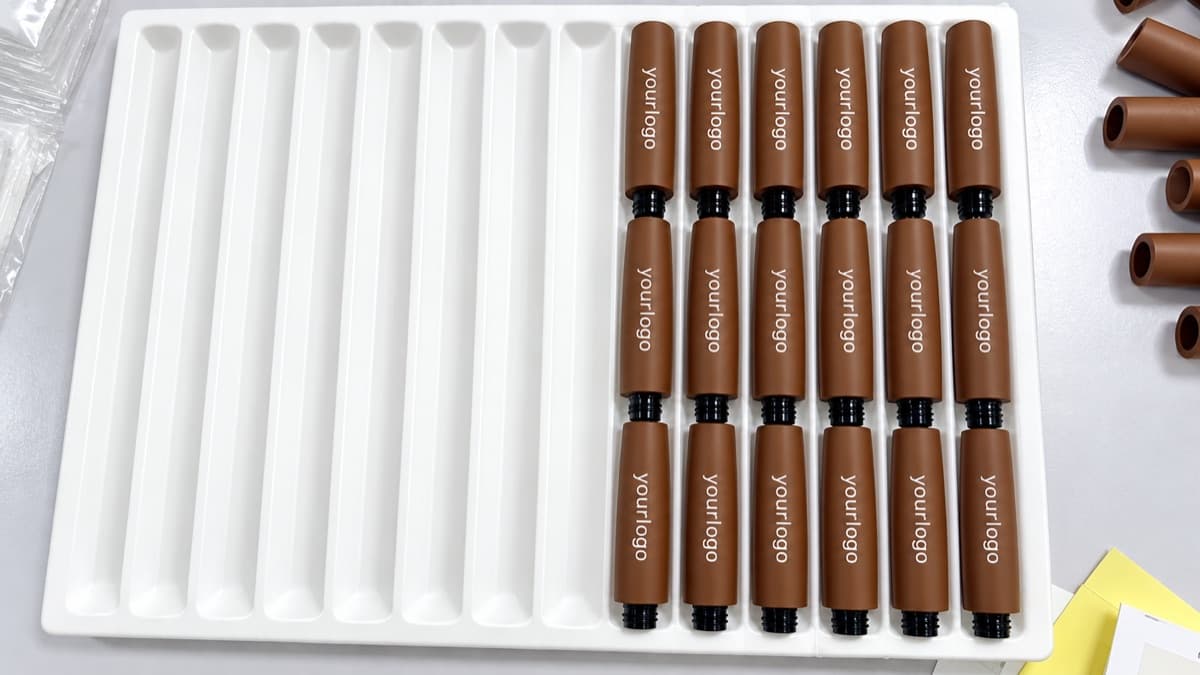
Project Snapshot
| Item | Documented record |
|---|---|
| Buyer profile | Brand owner or e-commerce seller; country or region not disclosed |
| Product | Brown silicone sleeve for an existing mascara or lash-serum tube |
| Custom elements | Cylindrical sleeve, custom surface logo, fit with black and metallic-colored tube components |
| Project goal | Create a consistent private-label appearance and a repeatable assembly and packing process |
| Recorded stages | 3D appearance review, sleeve production, component assembly, visual inspection and bulk packing |
| Evidence boundary | No exact dimensions, hardness, material grade, quantity, lead time, test values or customer quote were supplied |
Development Challenge
The central development issue was fit. If the sleeve’s internal diameter were too small, assembly could become difficult or distort the underlying tube. If it were too large, the sleeve could rotate or move along the tube body. The sleeve also had to avoid interfering with the opening area and other functional components.
For projects that must fit an existing pack component, RENJIA’s OEM silicone product development process provides a useful planning reference.
Brand presentation created a second constraint. A logo placed on a cylindrical silicone surface can appear stretched or off-center after the sleeve is installed. Its proportions, line width and position therefore had to be reviewed in relation to the final curved surface, not only as flat artwork.
Batch assembly added practical handling risks. Soft sleeves and separate tube components can be placed in different orientations, marked during handling or missed during assembly. The supplied records therefore focus on positioning, visual consistency, cleanliness and protective packing rather than unsupported performance claims.
Documented Development Process
RENJIA first used the existing tube’s outer profile, length and opening position as the basis for a 3D sleeve concept. The design reserved elastic fit around the tube body while keeping the end area clear. Internal contact and end positioning were used as the documented approach for limiting rotation and movement.
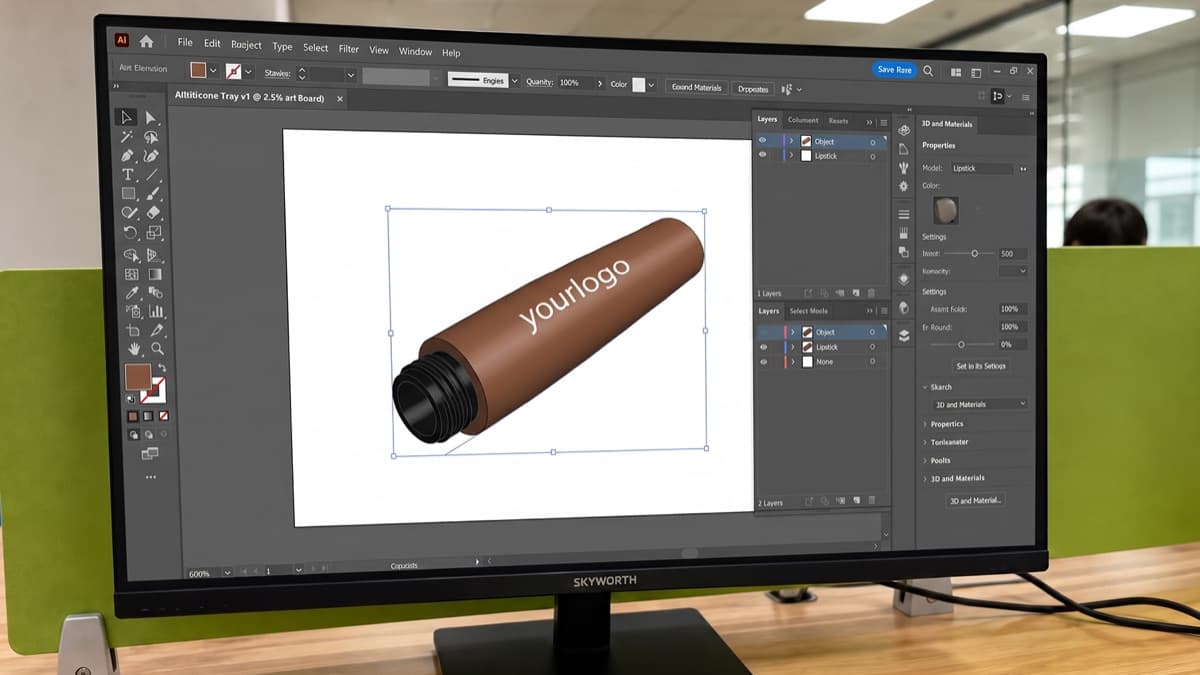
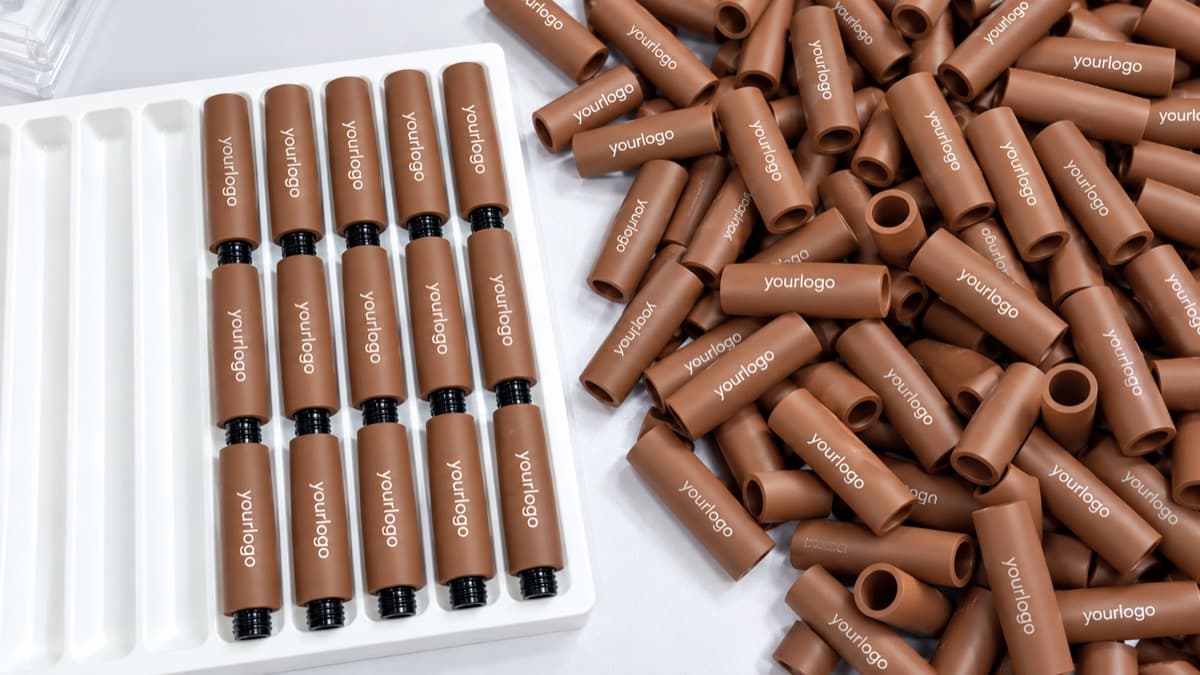
The logo was then reviewed on the curved sleeve. The supplied project record states that the artwork proportion, line width and positioning zone were adjusted so the mark would remain readable and visually centered after installation. The image shows a generic placeholder mark; it does not identify the buyer.
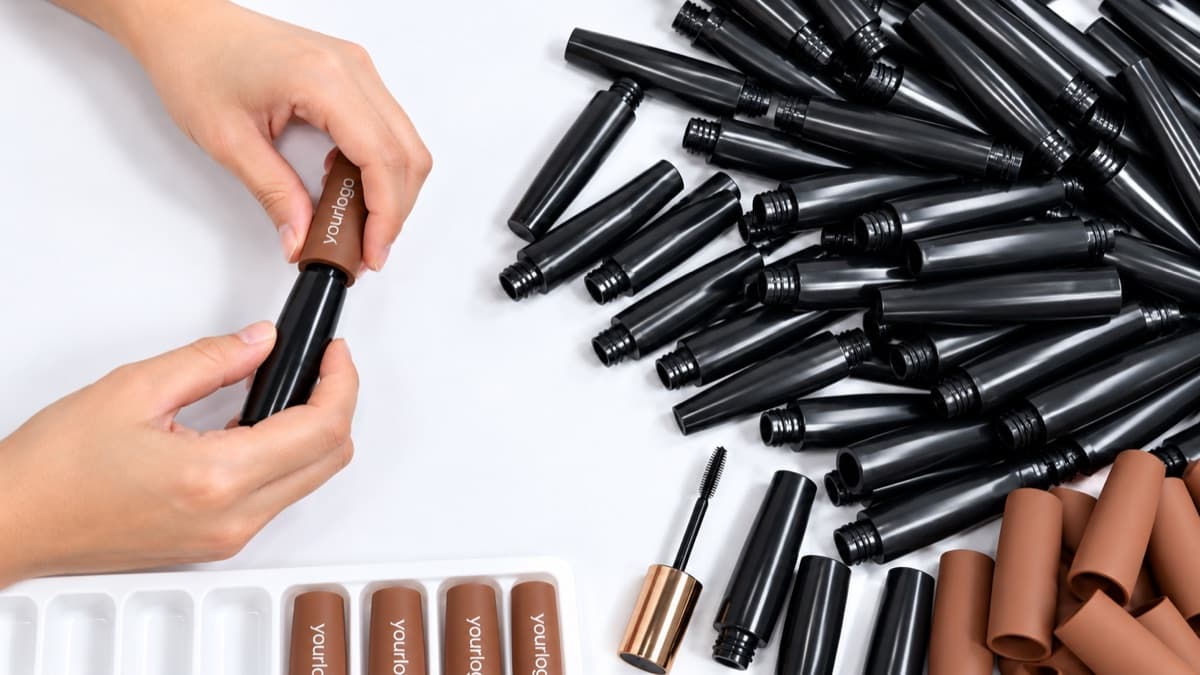
After the structure and appearance were confirmed through sample review, the project moved to organized component handling. Tube bodies, sleeves and related components were separated and positioned for repeatable assembly. The assembly image shows the brown sleeve being fitted to a black tube component, with additional components prepared nearby.
The checkpoints used in this project can also be compared with RENJIA’s documented silicone product quality control approach.
Inspection and Assembly Control
The documented inspection scope covered logo orientation, assembly gaps, surface cleanliness and opening movement. Finished units were arranged in trays to keep their direction consistent and make visual comparison easier. The available material does not include numeric tolerances or a formal acceptance report, so this case does not claim a measured defect rate or test result.
For a similar project, buyers should define which dimensions belong to the original tube supplier and which must be controlled by the silicone sleeve manufacturer. A signed sample, dimensional drawing and approved logo position can provide the reference for later inspection. Requirements for surface finish, color range and acceptable assembly movement should also be written into the project record rather than inferred from photographs.
Private-Label Presentation and Packing
The supplied images show finished brown sleeves with a generic logo placeholder, assembled tube components in trays and larger quantities of separate sleeves. These records demonstrate the project’s private-label presentation and production stage. They do not prove sell-through, consumer response or final retail acceptance.
Brands evaluating adjacent formats can review the wider silicone product range before finalizing an RFQ.
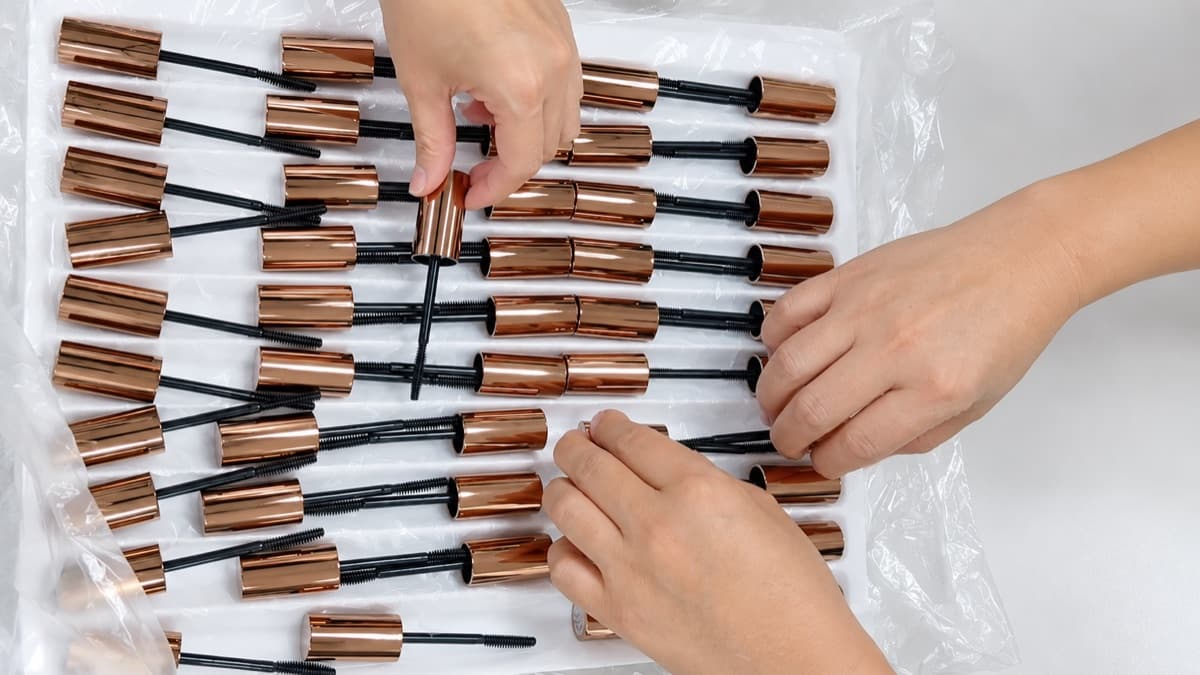
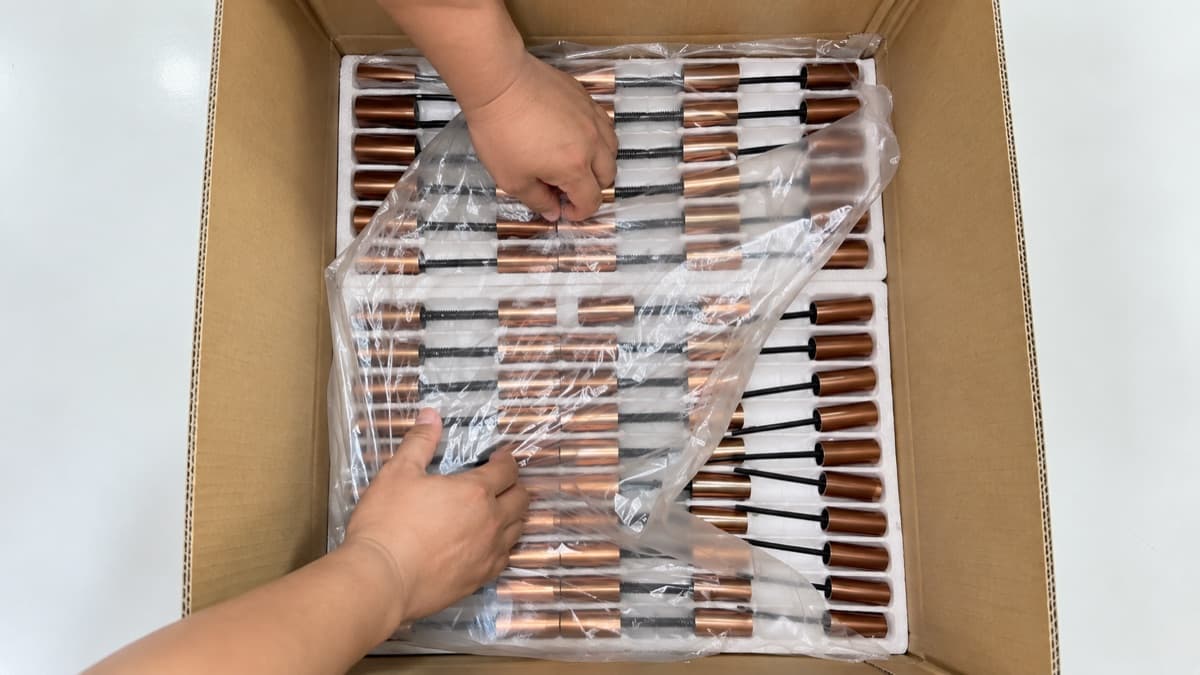
For packing, components were kept in fixed directions and protected in layers. The carton image shows tray-arranged units beneath protective material. The exact units per carton and shipping method are intentionally omitted because they were not provided as public facts.
Buyer Checklist
- Supply the actual tube or an approved dimensional drawing.
- Define the sleeve’s covered area and all opening or component clearances.
- Confirm silicone color, hardness range and surface finish with a physical sample.
- Approve the logo at the intended curved-surface size and position.
- Specify assembly orientation, acceptable movement and inspection points.
- Define whether components are shipped assembled or separately.
- Approve tray, layer protection, unit count and carton arrangement.
- Record public-use permission for logos, labels and production photographs.
Project Inquiry
Send the existing tube dimensions or sample, target sleeve color, logo artwork, assembly method, estimated quantity and packing requirements for a project-specific review. RENJIA can then evaluate fit, artwork placement, sampling and production preparation without assuming details that have not been confirmed.