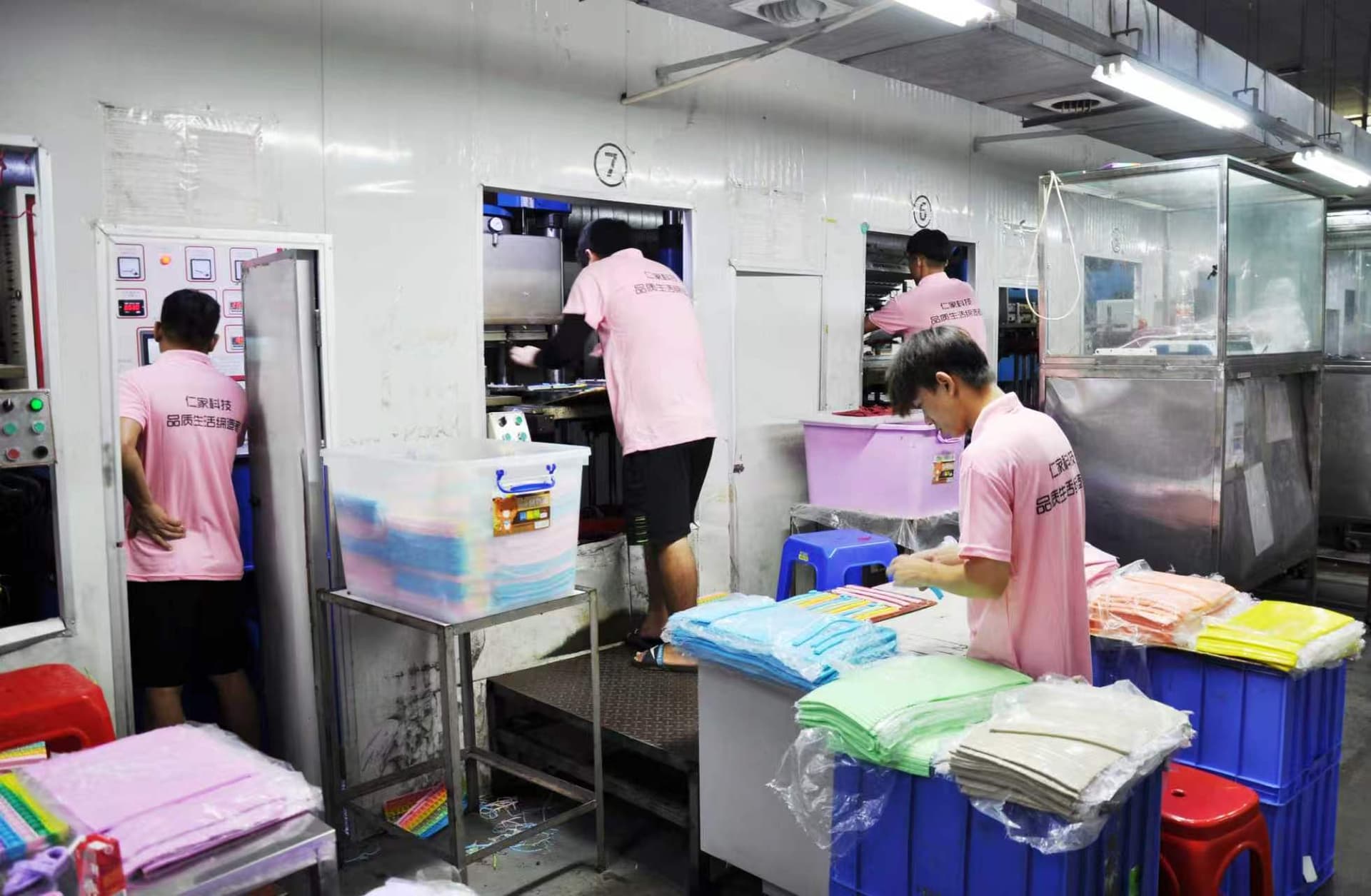
A successful sample does not automatically guarantee a successful bulk shipment. The sample may have been made under close attention, while mass production introduces repeated molding cycles, multiple material batches, packing operations and thousands of opportunities for variation. The solution is not to distrust the factory. The solution is to convert the approved sample into a documented production and inspection standard.
This checklist is designed for custom silicone ice molds and silicone drawing mats, but the control logic applies to many private-label silicone products. It explains what to document before sample approval, how to connect factory testing to customer requirements, what to inspect during production and how to prepare a meaningful pre-shipment inspection.
The objective is practical: fewer disputes, clearer release decisions and a shipment that matches the product the buyer actually approved.
Short answer: how do you prevent a bulk silicone shipment from differing from the sample?
Approve the sample against a controlled specification, not appearance alone. Record dimensions, material, color, artwork, function, packaging and revision status. Use the approved sample and files for first-piece, in-process and final inspection. Before shipment, inspect a defined sample from the completed lot using agreed defect categories, methods and accept/reject rules.
1. Understand what the approved sample represents
An approved sample can serve as a physical reference for appearance, feel, assembly and application. It should not be the only reference. A single physical piece may not show every dimension, tolerance, material requirement, label rule or packaging instruction.
A complete approval package normally includes:
- Approved product drawing or specification sheet.
- Material description and project-specific requirements.
- Approved physical sample or clearly identified sample set.
- Color reference.
- Artwork and logo revision.
- Packaging dieline and approved print files.
- Product and carton labels.
- Defined application or functional checks.
- Defect examples and acceptance criteria.
- Testing and documentation scope.
- Purchase order and quantity breakdown.
Each document needs a revision number or date. If the buyer approves “sample B” but the production team receives “drawing A,” the project already contains a conflict.
What a golden sample can and cannot do
The final “golden sample” is useful for visual and tactile comparison, but it cannot replace measurable criteria. Use it with written limits and instructions that distinguish exact requirements, toleranced measurements and visual comparisons.
2. Freeze the project revision before approval
Revision control is one of the least expensive quality tools. Before sample approval, prepare one consolidated record of open and closed items.
Confirm product identity
- Product name and internal model.
- Buyer SKU and manufacturer reference.
- Color or colorway.
- Size or configuration.
- Cavity count, artwork theme or other variant.
- Packaging version.
Confirm the file set
- Latest 2D or 3D drawing.
- Latest logo or artwork.
- Latest packaging dieline.
- Correct language files.
- Approved barcode and label data.
- Photographs of the approved sample.
Close sample comments
Put every requested change in one table with its owner and status. Do not rely on scattered messages such as “make the blue lighter.” If a comment cannot be measured, attach a visual reference. Approve only when required comments are closed or remaining deviations are explicitly accepted.
3. Use a universal sample-approval checklist
The following categories can be adapted to both ice molds and drawing mats.
A. Material and product specification
- Material description matches the agreed project specification.
- Product does not have an unacceptable odor under the agreed evaluation method.
- Approved color or physical color reference is recorded.
- Stated temperature range and intended use are documented where relevant.
- Any required material information or traceability record is identified.
- Testing scope is connected to the final product and destination market.
Renjia’s confirmed launch-product baseline is food-grade, odorless silicone with a stated material temperature range of -40°C to 240°C. Those values should appear in the approved specification if they apply to the project. They should not be expanded into claims that were not tested or agreed.
B. Dimensions and physical characteristics
- Overall length and width.
- Height or thickness.
- Product weight if controlled.
- Key functional dimensions.
- Cavity size and count for ice molds.
- Outer shape and usable area for drawing mats.
- Lid, accessory or component fit.
- Flatness, alignment or form as applicable.
Mark critical dimensions on the drawing. A full dimensional report for every feature may not be necessary, but the team should know which measurements affect fit, function, pack or customer expectations.
C. Appearance and workmanship
- Surface finish matches the approved reference.
- No unacceptable contamination, tearing, incomplete molding or damage.
- Flash and parting-line appearance are within the agreed standard.
- Color is consistent with the approved reference and within the agreed method.
- Logo and artwork are clear, correctly positioned and correctly oriented.
- No unapproved stains, impressions, scratches or distortion.
Use photographs to define borderline appearance where possible. Words such as “clean,” “minor” and “obvious” can mean different things to different inspectors.
D. Branding and artwork
- Correct logo and artwork revision.
- Correct size, position and orientation.
- Correct spelling and language.
- Required clear space maintained.
- Product artwork matches packaging and sales materials.
- Buyer confirms rights to the supplied artwork.
E. Packaging
- Correct packaging structure and print revision.
- Product orientation and fold/roll method approved.
- Required components, inserts and instructions present.
- Barcode and labels correct and readable.
- Unit quantity and set composition correct.
- Inner and master carton quantities approved.
- Carton dimensions, weight and marks recorded.
- Export packing method suitable for the planned shipment.
F. Application and handling
- Product can be used as described in the approved brief.
- Storage and packing do not create unacceptable deformation.
- Cleaning or care instructions are practical for the intended product.
- Components remain complete during normal approved handling.
- Buyer-defined use scenarios have been demonstrated on the sample.
The application check should reflect what the customer will actually do. A generic factory test is less useful than a simple, repeatable check connected to the intended product.
4. Add product-specific tests for custom silicone ice molds
Ice molds require checks that connect the silicone part to the finished ice result.
Measure the overall tray and key cavity dimensions, including count, spacing, rim and any closure features. Fill and move the sample according to the intended instructions, checking stability, leakage, lid alignment and closure where applicable. Produce actual ice and inspect shape, release, seam appearance and logo visibility over repeated trials rather than selecting one ideal piece. Complete the approved cleaning and drying procedure and review areas where water may remain.
Record the test method—water fill level, freezer conditions, time and handling—so later samples can be compared on a similar basis. The goal is not to create a laboratory claim; it is to make the project check repeatable.
5. Add product-specific checks for silicone drawing mats
Drawing mats need controls for product geometry, artwork and the complete private-label presentation.
Measure the finished dimensions and review the silhouette, border and usable activity area on the intended type of surface. Compare the product with the approved artwork at actual size, including line reproduction, orientation, small text, logo and language version. Inspect both sides and edges for damage, contamination, incomplete molding, unacceptable flash or distortion. If accessories are supplied, inspect the complete set under the approved use directions. Pack and unpack the sample using the approved method and check that the retail presentation matches the sales-channel plan.
For products intended for children, the testing and certificate plan must follow the final product classification and destination market. In the United States, the CPSC’s CPC guidance explains that applicable children’s products require certification based on testing to the relevant rules. A sample approval checklist does not replace regulatory review.
6. Translate the sample into a production control plan
Once the sample is approved, the manufacturer should define when and how the important characteristics will be checked.
Requirement review
The production, quality and packing teams receive the same approved revision. Key risks and customer-specific requirements are highlighted before production starts.
Incoming material review
Confirm the material information and project-specific requirements before it is released to production. If the order includes multiple colors or components, identify how lots and variants will be controlled.
First-piece confirmation
Inspect the first acceptable production pieces against the drawing, approved sample and visual standard. First-piece approval is especially important after tooling changes, color changes or a long gap between runs.
In-process inspection
Monitor characteristics that can change during production: dimensions, weight where relevant, molding completeness, surface condition, color, logo or artwork and component fit. The check frequency should follow process risk and project requirements.
Packing start approval
Before the full order is packed, confirm the product orientation, set components, printed materials, labels and carton method. One early packing check can prevent thousands of correctly made products from being packed incorrectly.
Final inspection and release
Inspect finished and packed goods against the defined plan. Record results, deviations and release authority. If the inspection fails, document containment, rework, reinspection or buyer disposition.
Renjia’s disclosed production system includes two production lines, 12 machines and a 10-person QC team, with stated monthly capacity up to 300,000 products. These facts show available resources, but the control plan still needs to be defined for each product, order and buyer requirement.
7. Define defects before the inspector arrives
Defect classification should reflect safety, function, market requirements and commercial impact.
Critical defects
These may create a safety, legal or fundamental product-identity risk. Examples must be defined by the buyer’s actual product and regulations. Do not assume a generic list is sufficient.
Major defects
These may prevent expected use, cause likely customer return or make the product materially different from the approved specification. Examples might include wrong dimensions affecting use, incomplete product, significant artwork error, missing component or incorrect retail pack.
Minor defects
These do not normally prevent use but exceed the agreed cosmetic standard. Examples might include a small appearance variation in a non-critical area. The acceptance boundary should be illustrated or described.
The same condition can have different severity in different projects. A small logo error may be minor on an unbranded operational product and major on a promotional product whose purpose is brand recognition.
8. Use AQL and sampling correctly
Pre-shipment inspection usually examines a sample from the production lot rather than every unit. The sampling plan needs to be agreed before inspection.
ISO 2859-1:2026 defines AQL-indexed sampling schemes for lot-by-lot inspection by attributes. It provides a structured way to determine sample sizes and acceptance or rejection numbers. An AQL value should not be described as a guarantee that the shipment contains exactly that percentage of defects. It is an index used within the sampling plan and switching rules.
Before using an AQL plan, define:
- Lot size and how the lot is formed.
- Inspection level.
- Normal, tightened or reduced inspection status where applicable.
- AQL values by defect category.
- Sampling method across cartons and positions.
- Test quantities for functional or destructive checks.
- Accept/reject decision and reinspection rules.
Do not copy “AQL 2.5” from a template and assume the inspection is complete. The product risk, critical defects, buyer requirements and applicable regulations determine the plan. Some characteristics may require zero-tolerance treatment, targeted tests or separate laboratory verification.
9. Prepare the pre-shipment inspection package
Give the inspector the references needed to identify and evaluate the order.
Documents
- Purchase order and quantity breakdown.
- Final specification and drawing.
- Approved sample photographs or physical reference.
- Artwork and packaging revision.
- Defect classification list.
- Sampling and test plan.
- Label and carton-mark files.
- Required reports and certificates.
Inspection conditions
- Goods should be complete and sufficiently packed for random selection.
- Cartons should be identifiable by SKU, color or variant.
- Measuring and test equipment should be suitable and available.
- The inspector should have a clean area and enough time.
- Failed or reworked goods should be segregated from accepted stock.
What the inspector should record
- Lot status and available quantity.
- Cartons and units selected.
- Measurements and test results.
- Defects by category with photographs.
- Packaging, label and barcode findings.
- Carton count, dimensions, weight and marks.
- Missing documents or inaccessible goods.
- Overall result under the agreed decision rule.
A pass result means the inspected sample met the agreed plan. It is not a claim that every unit was inspected or that the product meets requirements outside the inspection scope.
10. Check shipment readiness and retain the record
Confirm finished quantity and SKU allocation, retail-pack completeness, labels and barcodes, carton counts, dimensions, weights, marks and any fulfillment requirements. Retain the approved sample, final drawings, artwork, color reference, inspection reports, test documents, packaging specification and approved deviations. On a repeat order, review changes to material, color, tooling, artwork, packaging, market or requirements instead of relying only on “same as last time.”
11. Avoid common approval mistakes
- Approving from photographs only: photos cannot reliably confirm dimensions, feel, application or packed condition.
- Approving without revision control: the sample and production files may no longer match.
- Treating “food-grade” as the compliance plan: material wording does not replace product-specific review and testing.
- Leaving packaging until the end: packing affects presentation, labels, logistics and schedule.
- Using vague cosmetic terms: define “small mark” or “good color” with references.
- Inspecting before goods are ready: random selection is unreliable when only part of the lot is complete.
- Treating a pass as 100% inspection: sampling manages risk; it does not eliminate it.
Frequently asked questions
What is the most important document for sample approval?
There is no single document. Use a controlled package containing the drawing or specification, approved sample, artwork, packaging files, test requirements and approval record. The sample gives a physical reference; the documents explain measurable and variant-specific requirements.
Should I keep a physical approved sample?
Yes, when practical. The buyer and manufacturer can each retain an identified sample. Photograph it and record the sample date and revision. For products affected by storage or aging, also keep written criteria rather than relying indefinitely on the physical piece.
What should be checked on the first production piece?
Check the critical dimensions, material/color identity, appearance, logo or artwork, function and component fit that connect production to the approved standard. Add product-specific tests for ice formation or the complete drawing-mat set where relevant.
Does AQL mean the shipment can contain the stated percentage of defects?
Not in that simple sense. AQL is used to index a statistical sampling plan with sample sizes and accept/reject numbers. The inspection plan, lot, defect categories and switching rules must be defined. It is not a blanket defect-rate guarantee.
When should pre-shipment inspection happen?
Inspection should occur when production is complete and enough goods are packed to support representative random selection under the agreed plan. The exact timing should allow corrective action without missing the shipping schedule.
Can the manufacturer perform the final inspection?
Yes, factory QC normally performs internal final inspection. The buyer may also request an independent third-party inspection. The choice depends on supplier history, product risk, retailer requirements and the buyer’s quality plan.
What happens if the inspection fails?
Document the findings, isolate affected goods, identify the cause and agree on sorting, rework, replacement, concession or rejection. A reinspection should follow the agreed rule and confirm that corrective action addressed the failed characteristics.
Conclusion
Sample approval and shipment inspection work best as one connected system. The approved sample defines the target, revision control protects the target, factory checkpoints maintain it and pre-shipment inspection verifies a defined sample from the completed lot.
For custom silicone products, the system must include both the molded part and the commercial product: artwork, components, packaging, labels and destination-market documents. The clearer the buyer’s acceptance standard is before production, the easier it is for the manufacturer and inspector to make a reliable release decision.