Key Takeaways
- A custom ice cube mold tray is a product-development project, not just a color choice. Buyers typically need to define cavity design, product shape, size, color, logo, and packaging [K1].
- Verified shared specifications for silicone products include food-grade silicone material, odorless performance, temperature resistance from -40°C to 240°C (-40°F to 464°F), and custom sizes, colors, shapes, and packaging [K4].
- Commercial terms are project-specific: custom-order MOQ is typically 500 pcs, custom samples usually take 7–10 working days after design and specification confirmation, mold lead time is usually about 15 working days after 3D design confirmation, and mass production usually takes 15–20 working days after order details are confirmed [K5].
- The safest buying process is to lock the design file, approve a physical sample, confirm packaging and compliance claims in writing, and plan pre-shipment inspection before mass production [K3].
- Personalized ice trays make the most sense for branded hospitality, retail gifting, promotional campaigns, and food-service programs where the ice shape or tray presentation adds recognizable value.
1. Introduction
Ice is no longer a background detail. Bars use branded ice to reinforce a cocktail program, hotels use ice trays as in-room touches, retailers use personalized ice trays as gift sets, and promotional buyers use ice cube trays as practical branded merchandise. The reference product map even places ice cube trays and ice ball trays within promotional silicone products, alongside popsicle molds and soap molds [K2].
The problem is that “custom” means different things to different suppliers. A buyer may ask for a logo tray and receive a quote that omits cavity design, packaging, sample charges, mold fees, or the real production schedule. Another buyer may approve a photo but later discover that the ice shape does not release cleanly, the tray does not fit the target freezer, or the packaging does not match the retail channel.
This guide explains how to buy a custom ice cube mold tray with fewer surprises. It covers what customization actually includes, how a custom silicone ice cube project moves from design review to production, what MOQ and tooling terms usually look like, and which quality and packaging checks matter before shipping. The goal is practical: help buyers compare quotes, prepare better design files, and make a clear decision about whether a custom silicone ice cube mold is the right format for their use case.
2. What Customization Actually Covers in a Silicone Ice Cube Tray
Core conclusion: Customization should be specified across the whole product, not only the logo. For a custom silicone ice cube tray, the buyer and supplier need to agree on cavity design, product shape, size, color, logo treatment, and packaging before tooling or sampling begins [K1].
A tray can look simple, but each choice affects the other. A larger ice cube may require a deeper cavity and a different tray footprint. A logo may be easy to place on a flat tray surface but difficult to read on a textured or curved surface. A retail gift set may need a printed sleeve or box that changes the carton dimensions and packing method. If these details are not defined early, a supplier may quote a low price for the silicone part while leaving packaging, sampling, and tooling assumptions unclear.
The verified shared specifications for silicone products provide a useful baseline: silicone material, food-grade rating, odorless performance, temperature resistance from -40°C to 240°C, custom sizes available, and customization options for color, size, shape, and packaging [K4]. These are not a substitute for a project-specific specification, but they give buyers a starting checklist.
| Customization lever | What the buyer should define | Why it matters |
|---|---|---|
| Cavity design | Ice shape, cavity count, target ice size, release behavior | Determines the ice format and the user experience |
| Product shape | Tray outline, stacking style, edge design, footprint | Affects freezer fit, storage, and retail presentation |
| Size | Overall tray dimensions and individual ice dimensions | Prevents mismatch with freezers, boxes, and serving glassware |
| Color | Color reference, finish expectation, color consistency target | Affects brand match and visual quality |
| Logo | Placement, size, artwork file, contrast against tray color | Turns a generic tray into a branded item |
| Packaging | Retail box, sleeve, insert, polybag, label, carton plan | Protects the product and supports the sales channel |
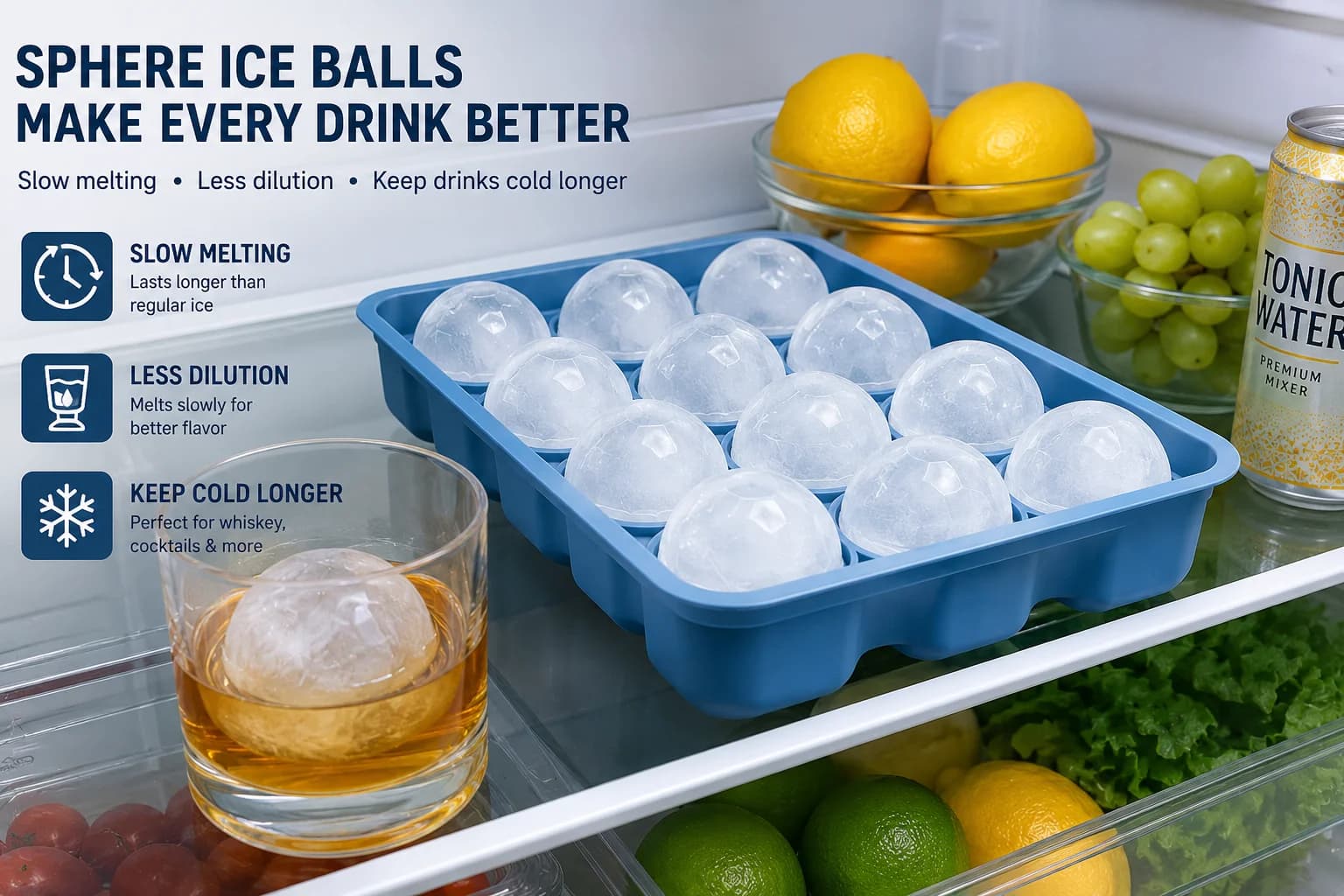
For a bar or restaurant, the most important decision may be cavity design and logo visibility. For a retail gift set, packaging and color consistency may matter as much as the ice shape. For a promotional buyer, cost, packability, and lead time may dominate. The right specification depends on the scenario, but the same rule applies: put every assumption in writing before the sample is made [K1].
3. From Design Review to Mass Production: A Realistic Timeline
Core conclusion: Buyers should plan around approval stages, not a single lead-time number. Custom silicone mold projects generally move through design review, 3D confirmation, tooling, sampling, order confirmation, and mass production, and each stage depends on the previous one [K3].
A common mistake is to ask, “How long does production take?” before the design is defined. The more useful question is, “What is the schedule from design-file review to shipped order, and what approvals are required at each stage?” A documented custom silicone ice mold development process helps both sides agree on the sequence: design review, sample approval, tooling, production, and inspection.
The commercial terms in the reference knowledge base give a realistic starting point, but they are stage-level figures rather than a guaranteed total lead time [K5].
| Stage | Typical timing | What must be confirmed |
|---|---|---|
| Stock sample | Usually 1–2 working days | Current stock availability and shipping arrangements [K5] |
| Custom sample | Usually 7–10 working days after design and specification confirmation | Design, dimensions, color, logo, and sample requirements [K5] |
| Mold | Usually about 15 working days after 3D design confirmation | Final 3D design and project requirements [K5] |
| Mass production | Usually 15–20 working days after order and production details are confirmed | Order quantity, packaging, inspection plan, and production details [K5] |
| Custom-order MOQ | Typically 500 pcs | Final MOQ may vary by design, tooling, packaging, product requirements, and production scheduling [K5] |
These intervals can overlap or change depending on sample revisions, packaging approval, and production scheduling. A buyer who needs a retail launch should therefore add time for artwork approval, sample transit, buyer review, and shipping. The practical recommendation is to request a written project schedule with named approval points: design file approved, 3D approved, sample approved, packaging approved, mass production released, and pre-shipment inspection completed.
For buyers comparing suppliers, the quality of this schedule is often more revealing than the headline unit price. A supplier that can explain the approval sequence clearly is easier to manage than one that quotes a fast delivery date without defining what must be approved first [K3].
4. MOQ, Tooling, Samples, and Cost Drivers
Core conclusion: Custom tray pricing is conditional. Buyers should compare quotes only after the same design, material specification, packaging, sample policy, and order quantity are defined.
The reference commercial terms state that custom-order MOQ is typically 500 pcs, but final MOQ may vary by design, tooling, packaging, product requirements, and production scheduling [K5]. That means a simple one-color tray with standard packaging may have a different minimum from a multi-part gift set with a printed box and custom insert. Buyers should not assume that one supplier’s 500-piece minimum applies to every design.
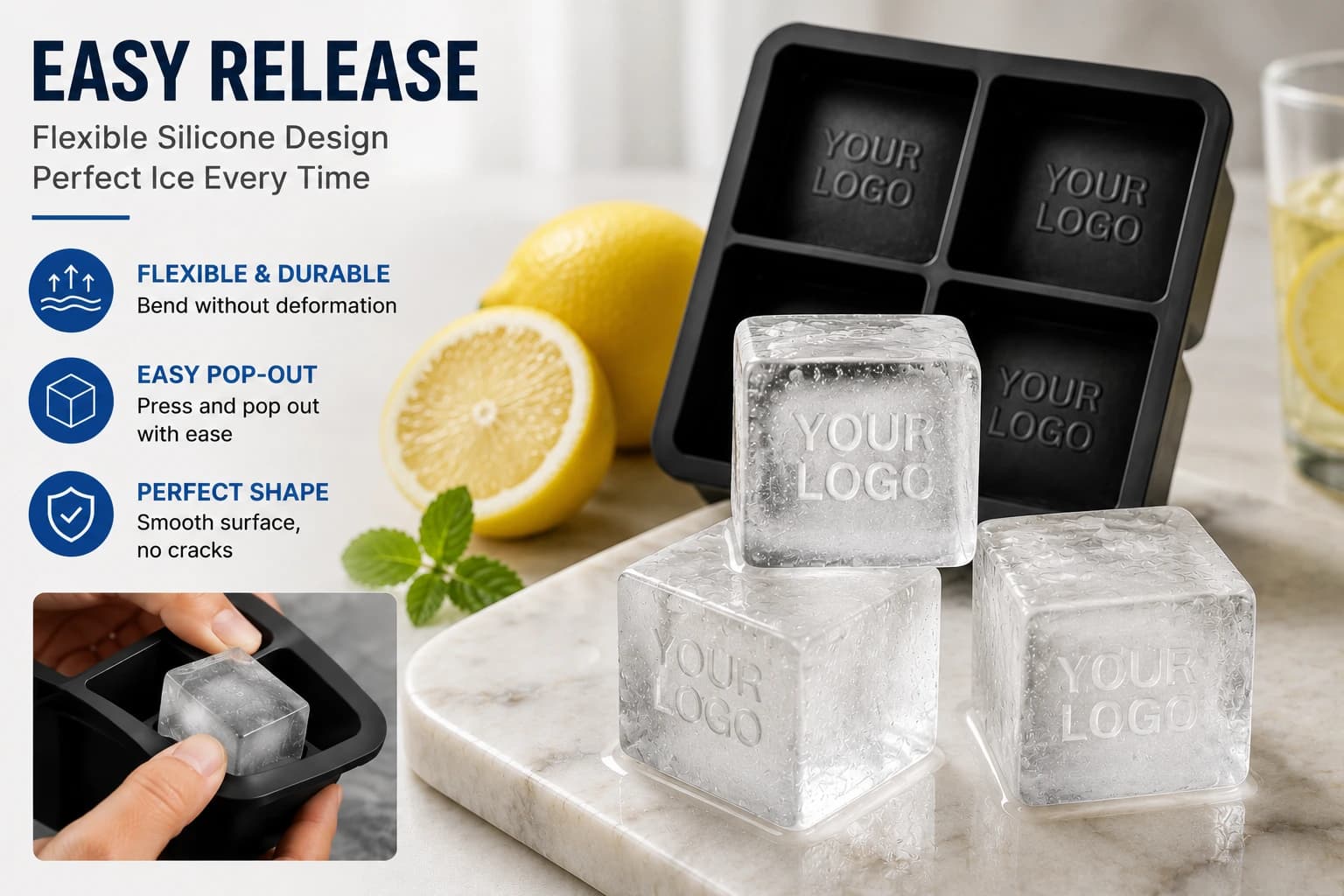
Tooling is another common source of confusion. The mold fee is quoted after the supplier reviews the customer’s design files and project requirements [K5]. This is reasonable because mold cost depends on cavity geometry, tray size, expected production method, and the level of design detail available. A buyer who sends only a reference photo should expect more questions before receiving a firm mold quote.
Samples also need clear terms. Free samples may be available, but existing-sample availability, freight, taxes, custom-sample charges, and eligibility must be confirmed case by case [K5]. A “free sample” can still involve shipping and tax costs, and a custom sample may carry a separate charge. The buyer should ask whether the sample is from existing stock, whether it represents the final production specification, and whether sample charges are credited against a future order.
A strong silicone OEM/ODM quotation checklist should separate the cost elements instead of hiding them in one unit price:
- Silicone material and food-contact grade specification [K4]
- Tray dimensions, cavity count, and ice size
- Color and logo method
- Mold fee and the assumptions behind it [K5]
- Sample type, sample charge, freight, and taxes [K5]
- Packaging materials, printing, and carton plan
- Order quantity and final MOQ [K5]
- Production lead time and inspection plan [K5]
When quotes are broken down this way, buyers can compare like with like. A lower unit price may simply exclude packaging, omit a second color, or assume a higher order quantity. The practical advice is to ask each supplier to state its assumptions in the quote and to confirm which items are one-time costs and which are recurring production costs.
5. Quality, Compliance, and Packaging: What to Verify Before Shipping
Core conclusion: Food-contact and temperature claims should be supported by the product specification, and market-specific compliance should be planned without making unsupported certification claims [K3][K4].
The shared product specification lists food-grade silicone, odorless performance, and temperature resistance from -40°C to 240°C [K4]. These are useful baseline claims, but buyers should still confirm that the sample and the mass-production order match the approved specification. For example, a sample that is odorless and flexible may not represent a production run if the color batch, Cavity design, or packaging process changes.
Compliance is market-specific. The reference knowledge base explicitly supports “market-specific compliance planning without unsupported certification claims” as a content topic [K3]. In practice, this means the buyer should ask what documentation the supplier can provide for the target market, rather than assuming that a generic “food-grade” statement is enough for every channel. The buyer’s compliance team should review the actual test reports, declarations, and labeling requirements before the product is shipped.
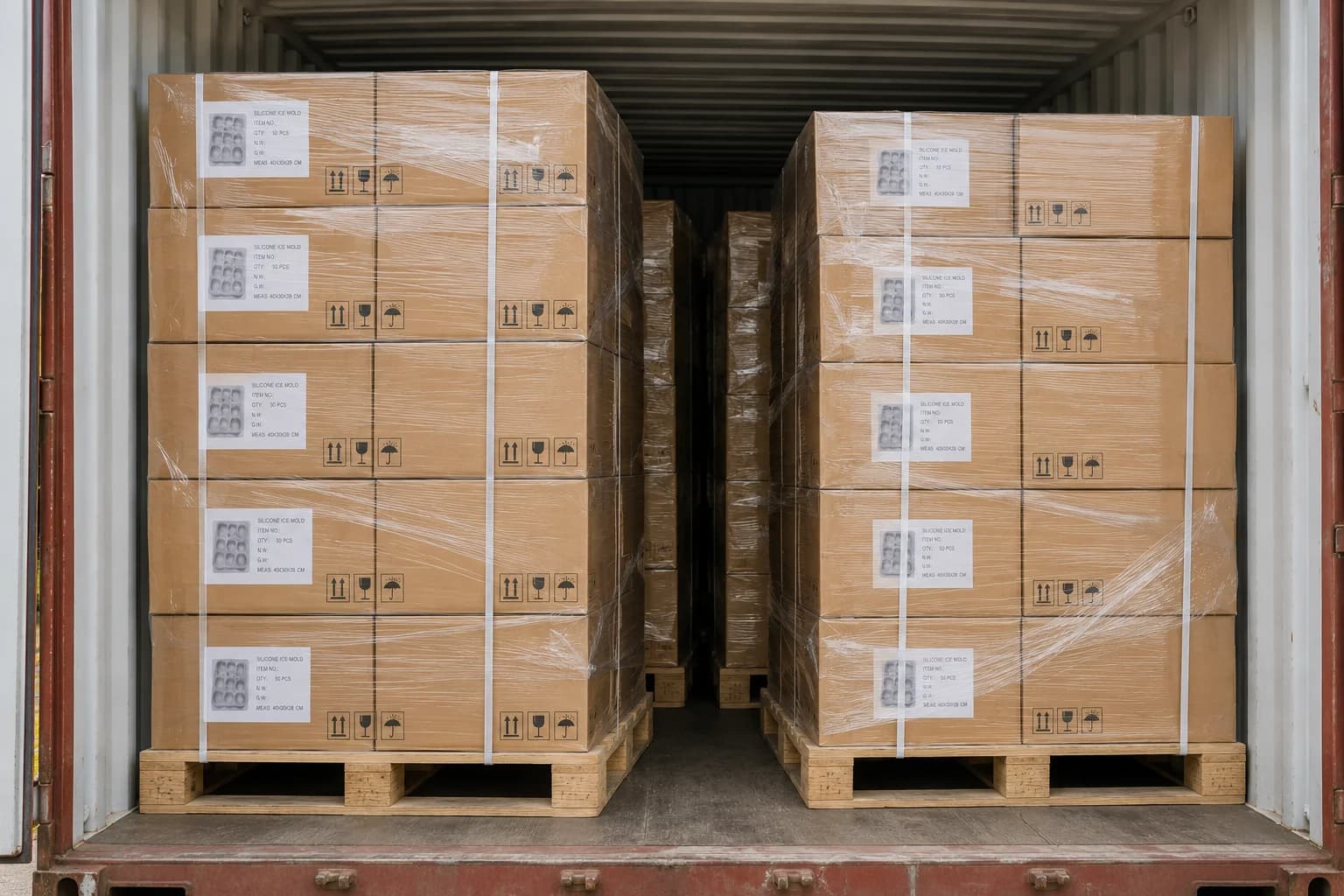
Packaging and design-file preparation also deserve early attention. Packaging affects product protection, retail presentation, carton efficiency, and shipping cost. A custom tray sold as a gift set may need a printed sleeve, an insert card, a barcode label, and a master carton specification. A food-service tray may need simpler bulk packaging with clear labeling. These details should be included in the sample approval and pre-shipment inspection checklist [K3].
A practical pre-shipment check usually covers:
- Sample approval record against the final specification
- Tray dimensions, cavity count, and ice size
- Color, logo placement, and visual appearance
- Odor and general workmanship
- Packaging print, labels, and carton markings
- Quantity, packing method, and carton condition
- Pre-shipment inspection results before release [K3]
Buyers should also keep a boundary condition in mind: a supplier’s published specification is not a guarantee for every use case. If the tray will be used in a commercial dishwasher, exposed to high-temperature cleaning, or packed for a specific retail market, those conditions should be discussed and confirmed in the project specification. The safe approach is to test the approved sample under realistic use conditions and to document any limitations before mass production.
6. FAQ
Q1. What is the typical MOQ for a custom silicone ice cube tray?
Custom-order MOQ is typically 500 pcs, but the final MOQ may vary by design, tooling, packaging, product requirements, and production scheduling [K5]. Buyers should confirm the MOQ for their exact specification rather than relying on a general catalog figure.
Q2. How long do custom samples and mass production take?
Stock samples usually take 1–2 working days, subject to stock and shipping arrangements. Custom samples usually take 7–10 working days after design and specification confirmation. Mold lead time is usually about 15 working days after 3D design confirmation, and mass production usually takes 15–20 working days after order and production details are confirmed [K5]. These are stage-level estimates, not a guaranteed total project timeline.
Q3. Can the trays be food-grade and heat-resistant?
The shared specification lists food-grade silicone, odorless performance, and temperature resistance from -40°C to 240°C (-40°F to 464°F) [K4]. Buyers should still confirm the exact specification for their design, color, and intended use, and should request the relevant documentation for their target market without assuming unsupported certifications [K3].
Q4. What should buyers prepare before requesting a quote?
Buyers should prepare a clear use case, target ice shape and size, cavity count, tray dimensions, color reference, logo artwork, packaging direction, estimated order quantity, and target market requirements. These inputs support design review, sampling, tooling quotation, and production planning [K1][K3][K5]. A reference photo can help, but a dimensioned drawing or 3D file usually leads to a more reliable quote.
7. Conclusion
A custom ice cube mold tray is a good fit when the ice shape, tray presentation, logo, or packaging carries real value for the buyer. It is less suitable when the buyer needs a low-risk commodity item with no design differentiation, because tooling, sampling, MOQ, and packaging approvals add project work. The decision should start with the use case: branded hospitality, retail gifting, promotional merchandise, or food-service presentation.
For a successful custom silicone ice cube project, define the full specification early, request a stage-based schedule, compare quotes only with the same assumptions, and approve a physical sample before mass production. Confirm the material and temperature specification, plan market-specific compliance without unsupported claims, and include packaging and pre-shipment inspection in the approval process [K3][K4][K5]. The next practical step is to prepare a one-page project brief covering ice shape, cavity count, tray size, color, logo, packaging, target quantity, and destination market, then ask the supplier to respond with assumptions, sample terms, mold cost, and a written production schedule.