This project record concerns a white 2-by-2 silicone ice mold prepared for an anonymous U.S. e-commerce brand. Each of the four square cavities carries a different authorized letter or logo detail. The available evidence covers the product at several documented stages: 3D CAD, dedicated tooling, a mold-trial setup, sample inspection, individual clear-bag packaging and bulk carton packing.
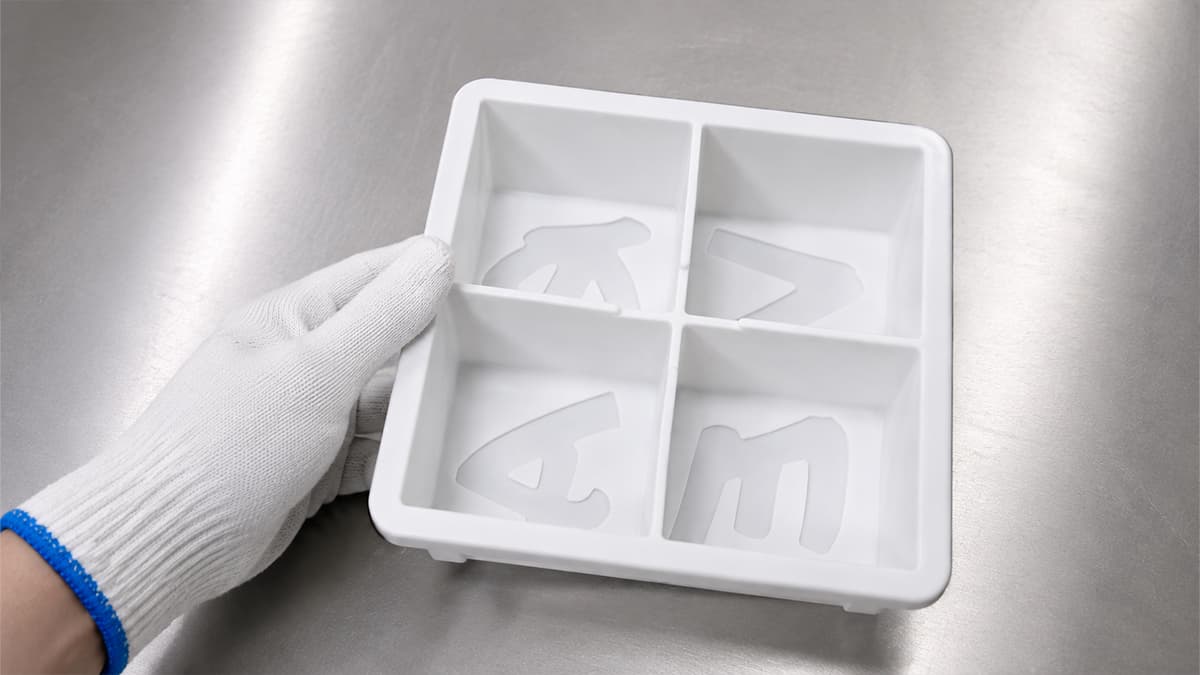
Project Snapshot
| Item | Documented detail |
|---|---|
| Buyer profile | Anonymous U.S. e-commerce brand |
| Product | White 2-by-2 four-cavity silicone ice mold |
| Custom feature | Four different authorized letter or logo details, one in each cavity |
| Documented records | CAD, tooling, mold-trial setup, sample inspection and packaging |
| Not stated in this draft | Quantity, timeline, sample-round count, material grade, performance tests and customer feedback |
What the Supplied Records Show
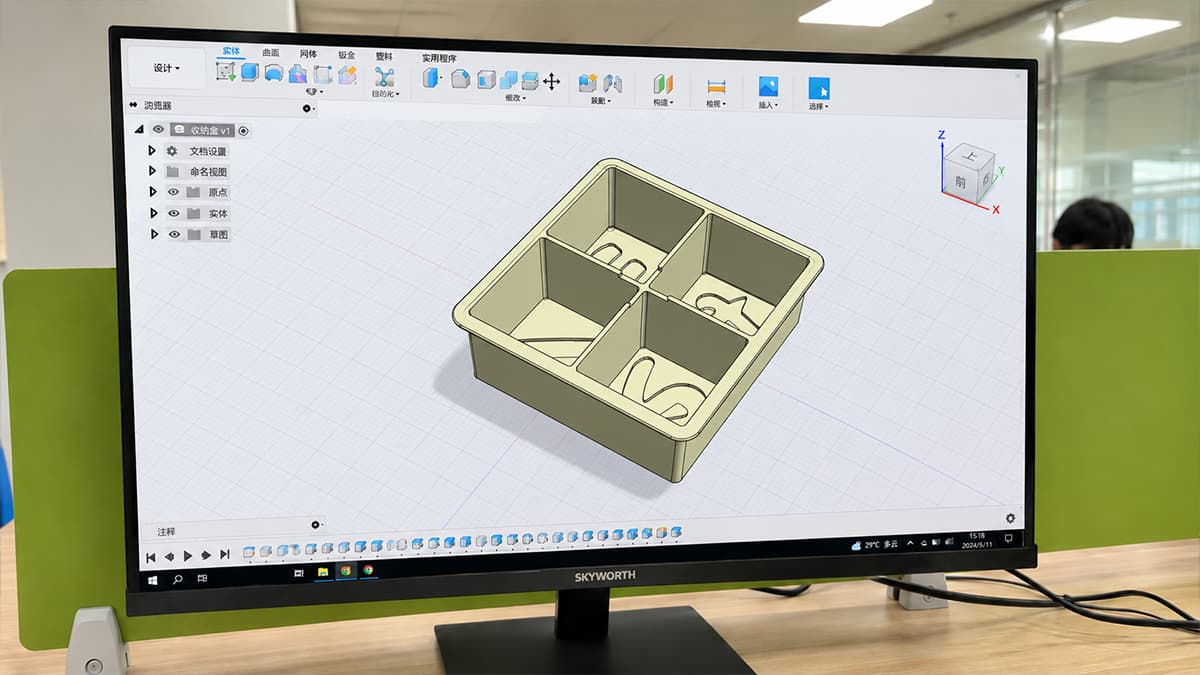
The CAD image shows a single tray divided into four square cavities. A different letter-shaped detail is positioned at the bottom of each cavity. This is useful evidence of the intended cavity layout and of the need to control the direction of four different marks within one product.
For a related manufacturing reference, review custom silicone ice mold development.
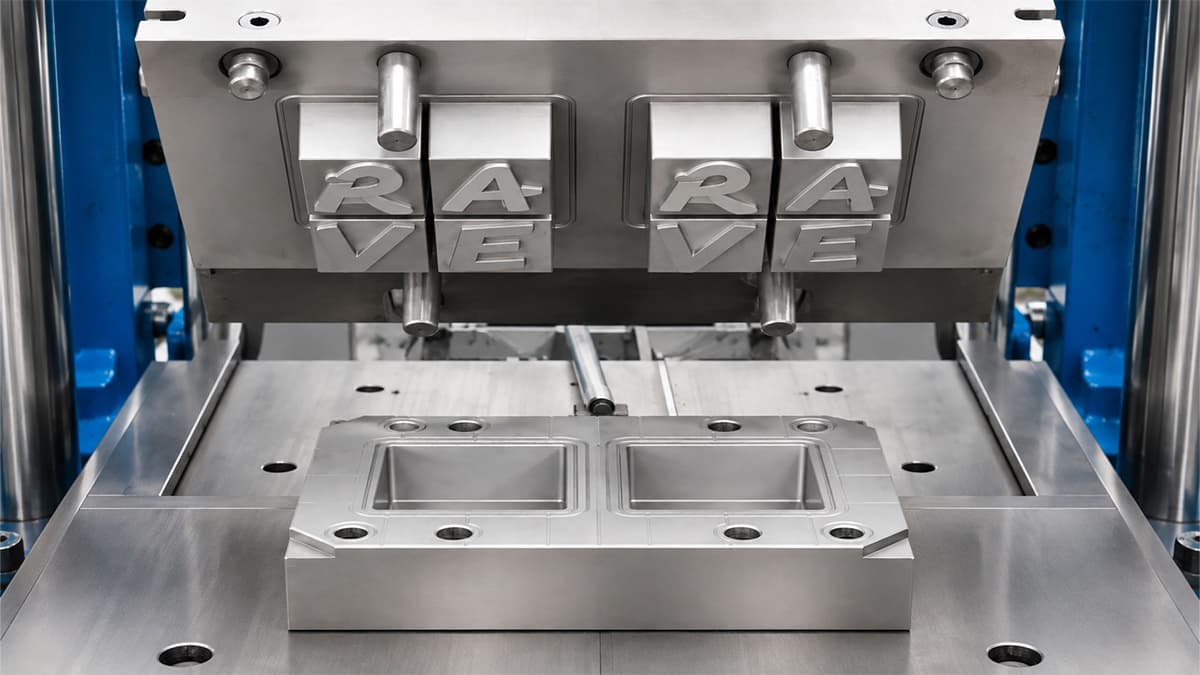
The tooling image shows the matching production tool and the separate cavity details used for the design. It documents that the project moved beyond a flat artwork file into a three-dimensional mold structure. The image does not, by itself, prove output quantity, cycle performance or an approval result, so none of those claims are made here.
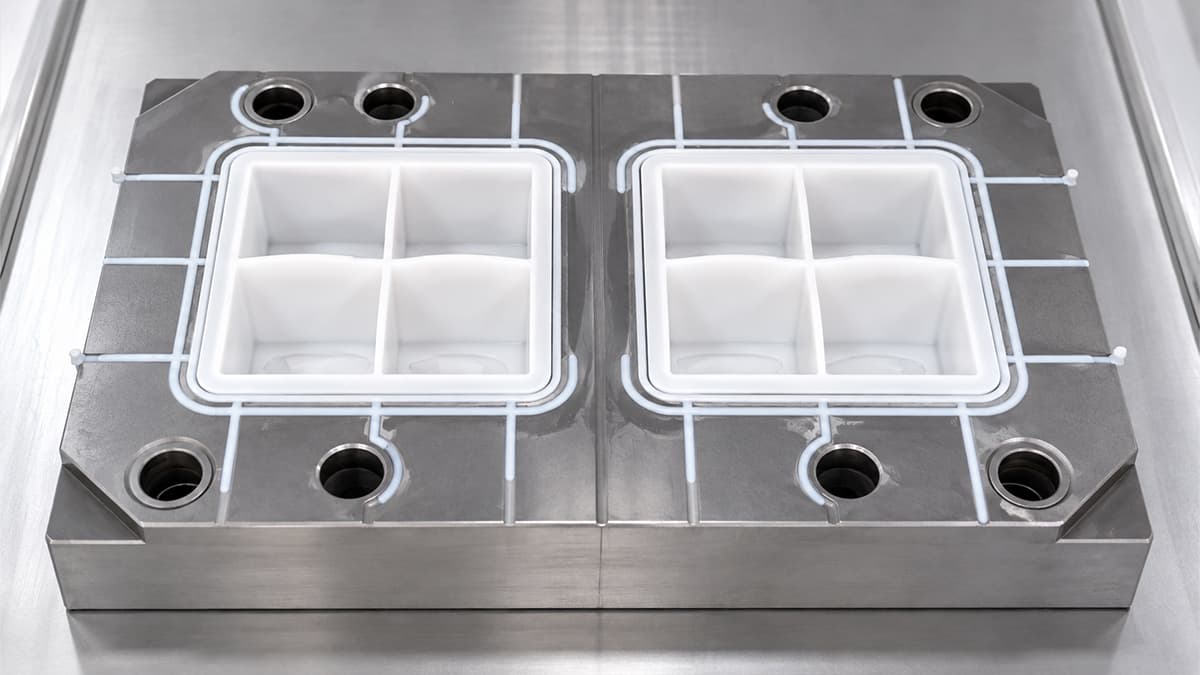
The mold-trial and inspection images show physical white trays associated with the same four-detail layout. They document the presence of a trial setup and a visual inspection stage. They should not be read as evidence of freezing performance, logo visibility in finished ice or customer acceptance unless separate records are supplied.
Design Considerations for Similar Multi-Logo Trays
For a similar project, the buyer and manufacturer should agree on the orientation of every mark before tooling. A numbered cavity map can prevent one logo from being rotated or assigned to the wrong position. Artwork also needs a manufacturability review covering line width, depth, corner radius and the amount of open space around each detail.
For additional context on this decision, see custom logo ice mold feasibility process.
Four different marks in one tray create a more complex inspection task than four identical cavities. A practical approval sheet should therefore identify each cavity separately and record what will be checked: mark direction, visible edges, cavity dimensions and the surrounding silicone surface. These are recommended controls for a comparable project, not claims about unrecorded test results in this case.
Packaging Evidence
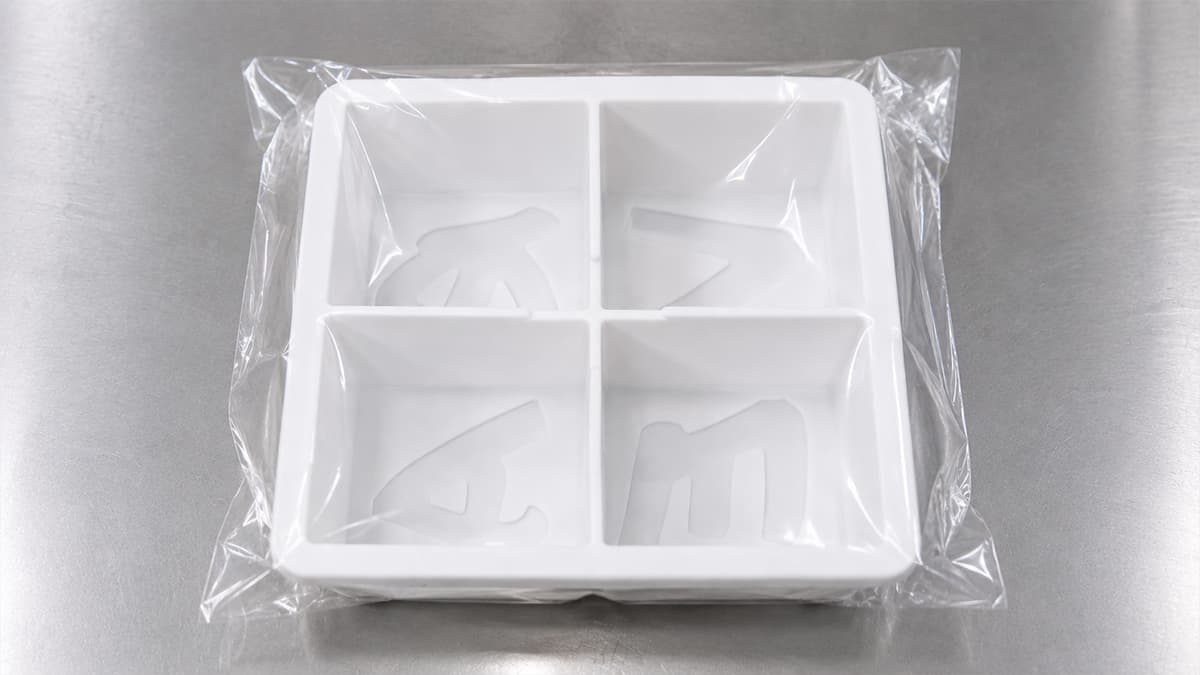
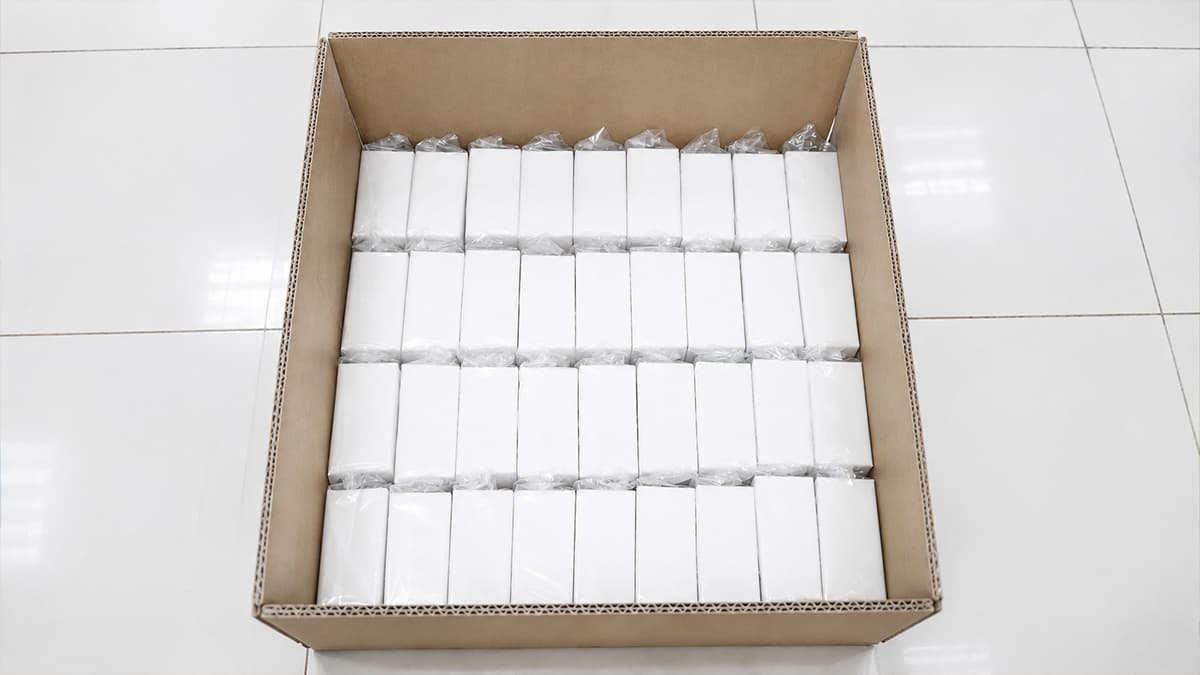
The supplied packaging images show a white tray inside an individual clear bag and multiple individually packed units arranged in a carton. These photographs confirm the packaging formats that were documented. Bag specifications, carton quantity, labels and shipping outcome are not stated because those details were not provided.
Before finalizing the specification, use Logo Detail in Custom Ice Molds: Line Width, Depth, and Readability as an additional planning reference.
Buyer Checklist
Before requesting a multi-logo silicone ice mold, confirm:
- The final artwork and public-use permission for every mark.
- A cavity-by-cavity orientation drawing.
- Minimum acceptable line width, depth and corner treatment.
- The inspection method for each separate cavity detail.
- Product color, silicone specification and required documentation.
- Individual packaging, carton format and labeling requirements.
- Quantity, timeline and testing requirements in separate approved records.
Buyers comparing a similar project can review Renjia's custom logo ice mold feasibility process and custom silicone ice mold development information.
Project Inquiry
To request a practical review, send the four logo files, preferred cavity layout, target tray dimensions, quantity, packaging direction and destination market. Renjia can then review the information required before tooling and quotation.