Key Takeaways
- There is no single "best" ice cube tray. The clear winner depends on whether your priority is everyday convenience, slower-melting drinks, or custom branding for an event or product line.
- Food-grade silicone has become the reference material for modern fun ice cube trays because it is odorless, flexible for easy release, and rated for a wide temperature range. [K5]
- Fun ice cube trays are not limited to home kitchens. Verified product portfolios show ice molds can cover household, kitchen, and promotional use cases, including ice ball trays and popsicle molds. [K2][K3]
- If you need custom shapes, colors, logos, or packaging, plan around design review, cavity design, sampling, tooling, MOQ, and lead time — not around retail-style instant delivery. [K1][K4]
- Always confirm a manufacturer's current availability, material composition, and product-specific specifications before ordering. A portfolio image proves a product range, not that every item is stocked. [K3]
1. Introduction
Ice cube trays look like a trivial kitchen purchase — until you actually use one. Rigid plastic trays crack after repeated freezing cycles, release stubborn cubes with a twist that sends them flying, and sometimes transfer refrigerator odors into otherwise clean water. On the other side of the market, fun ice cube trays made from flexible silicone promise novelty shapes, easy removal, and a better drink experience. The choice has only become more complicated as trays expand from simple squares to spheres, stars, fruit shapes, giant cubes, and even logo-embossed ice for brand events.
Consumers face a wall of online listicles telling them what is "best." Business buyers face a different problem: bars, hotels, event agencies, and retail brands often want custom ice trays that match their identity, but they do not know how to judge a silicone mold supplier. Both groups need the same thing — a practical decision framework rather than another collection of product photos.
This article compares fun ice cube trays across the criteria that actually matter: material safety, release and usability, shape design, temperature tolerance, customization capability, and the ability to verify a supplier's claims. It draws on the verified company and product knowledge of Renjia, a silicone OEM/ODM manufacturer, so the conclusions stay grounded in documented product specifications and sourcing practices rather than marketing noise.
2. What Makes a Winner? Define the Criteria First
The most important step in any "showdown" is deciding what winning means. An ice cube tray that pleases a parent making shaped juice cubes for a child's lunchbox may be the wrong choice for a bartender who needs slow-dilution spheres for a whiskey service.
Use these five criteria to evaluate any tray, whether you are buying one unit from a store or thousands from a manufacturer:
- Material safety. Is the tray made from food-grade silicone or an unspecified elastomer? Does it have an odor when new? [K5]
- Release performance. Can you pop out the cube cleanly, or does the design force you to pry, bend, and risk breaking the shape?
- Shape clarity. A fun tray only works if the cavity detail actually survives freezing. Fine details like logos or narrow protrusions require careful cavity design. [K1]
- Temperature tolerance. Ice cube trays operate near freezing, but the material also meets hot tap water when filling and possibly dishwasher cleaning. [K5]
- Verifiability. Can the seller or supplier document the material, food-contact status, and product specifications? If not, the tray is a gamble, not a decision. [K3]
A key boundary condition applies here: even a manufacturer's own product portfolio map is evidence of a reported product range, not proof that every listed product is currently stocked or available in every market. [K3] So your evaluation should always end with one question: "Can you confirm this specific product's material, dimensions, certifications, MOQ, and lead time?" A vague answer tells you more than any product photo.
For a related manufacturing reference, review custom silicone ice mold manufacturing.
Scenario-based advice: If you are a home user, prioritize material safety and release performance. If you are a business buyer, prioritize verifiability and customization options from the start, because those decisions control your project timeline.
3. Material Standard: Why Food-Grade Silicone Sets the Baseline
Most serious contenders in the fun ice cube tray category now use silicone, and for practical reasons. Renjia's publicly verified product specification for its silicone line lists food-grade material, an odorless finish, and temperature resistance from −40°C to 240°C (−40°F to 464°F). [K5] The low end matters for freezers; the high end matters for hot-water cleaning and kitchen environments far beyond the freezing point of ice.
The practical advantage of silicone over rigid plastic is flexibility. A complex fun shape — a star, a bottle, a piece of fruit — needs to bend out of the mold cavity without breaking. Rigid plastic trays can deliver simple cubes but struggle with fun ice cube trays that have undercuts or detailed geometry. Silicone can release those shapes more easily, which is one reason food-grade silicone has become the de facto baseline for novelty and custom ice molds.
However, "silicone" is not a complete specification. Renjia's own portfolio usage rules warn that some products, such as stone drying items, may use composite or non-silicone materials and should not be classified as pure silicone without a product-specific specification. [K3] The same logic applies when you buy any ice cube tray: the word "silicone" on a package tells you little about whether the material is food-contact grade, whether it has filler, or whether it will hold up after months of freezing. Ask for material composition and food-contact documentation before trusting a claim. [K4]
Scenario-based advice: When comparing two trays side by side at retail, perform a simple sensory check — open the package and smell the tray. An odorless silicone tray is more likely to be the higher-quality choice, consistent with the odorless specification documented for food-grade silicone. [K5] For wholesale orders, request a sample and a product spec sheet before committing.
4. The Fun Factor and the Custom Mold Advantage
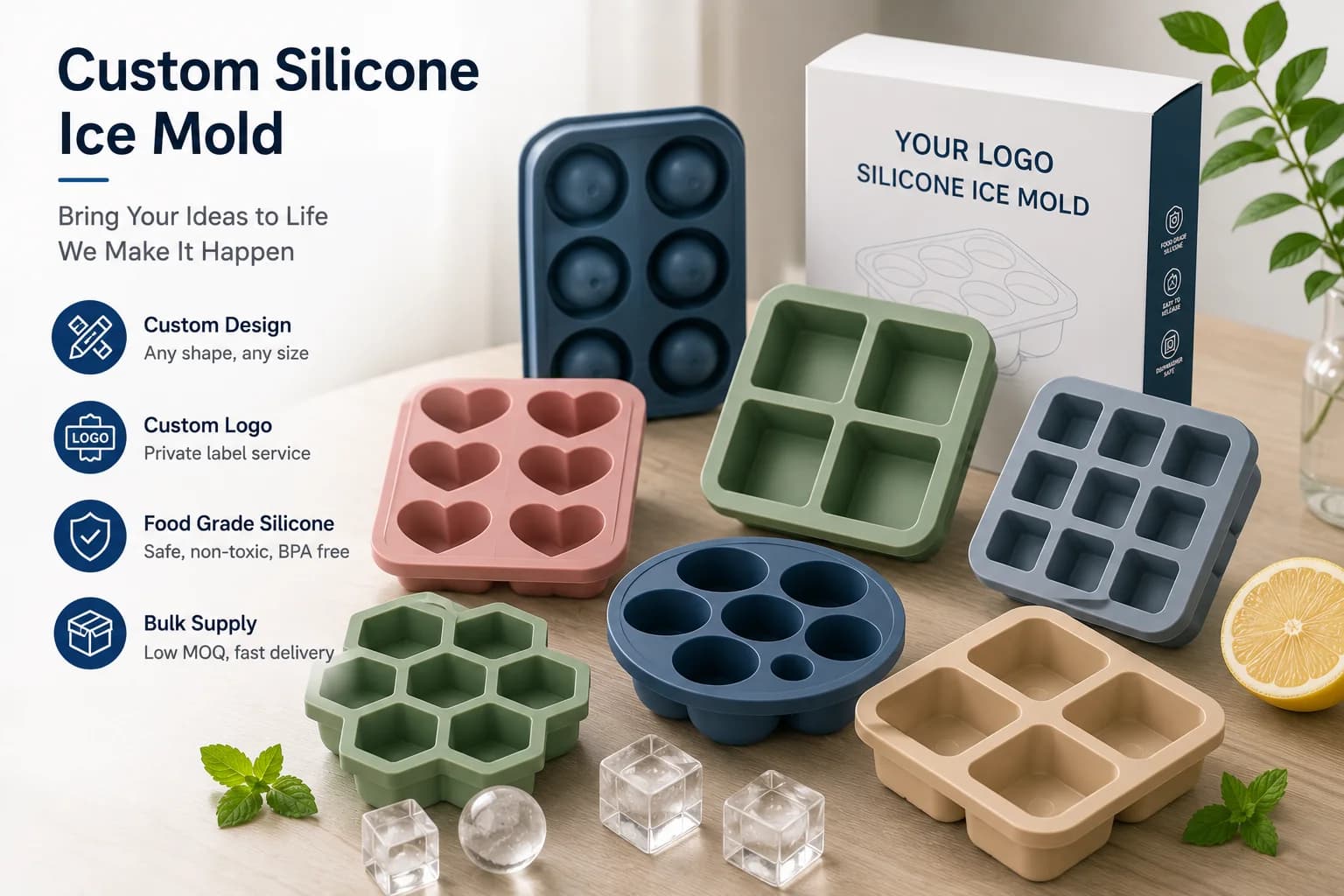
"Fun" is not a single product. It is a design variable, and in the silicone mold industry, that variable is highly customizable. Renjia's internal reference for custom silicone ice molds (RJ-CIM-001) lists typical customization options as cavity design, product shape, size, color, logo, and packaging. [K1] That means fun ice cube trays can be more than a kitchen novelty — they can be a branded tool, a promotional giveaway, or a signature element of a drink menu.
Renjia's extended product portfolio map confirms the breadth of this category. Ice cube trays appear in the promotional products line alongside ice ball trays, popsicle molds, soap molds, and silicone bracelets, while ice block molds appear under household products. [K2] The official usage rules further clarify that ice molds can be tagged under household, kitchen, and promotional use cases, and that category placement should not limit cross-category content. [K3]
For additional context on this decision, see Large Ice Cube Trays for Whiskey: A Buyer’s Guide to Size and Shape.
This cross-category reality changes how you should think about the "fun ice cube trays" segment:
- Household use: shaped ice for children's drinks, party beverages, and everyday meals.
- Kitchen use: large-format ice blocks for slow dilution, popsicle molds for homemade frozen treats, and sphere trays for cocktails. [K2]
- Promotional use: custom-shaped or logo-embossed ice cubes for brand launches, weddings, conferences, and bar or restaurant branding campaigns.
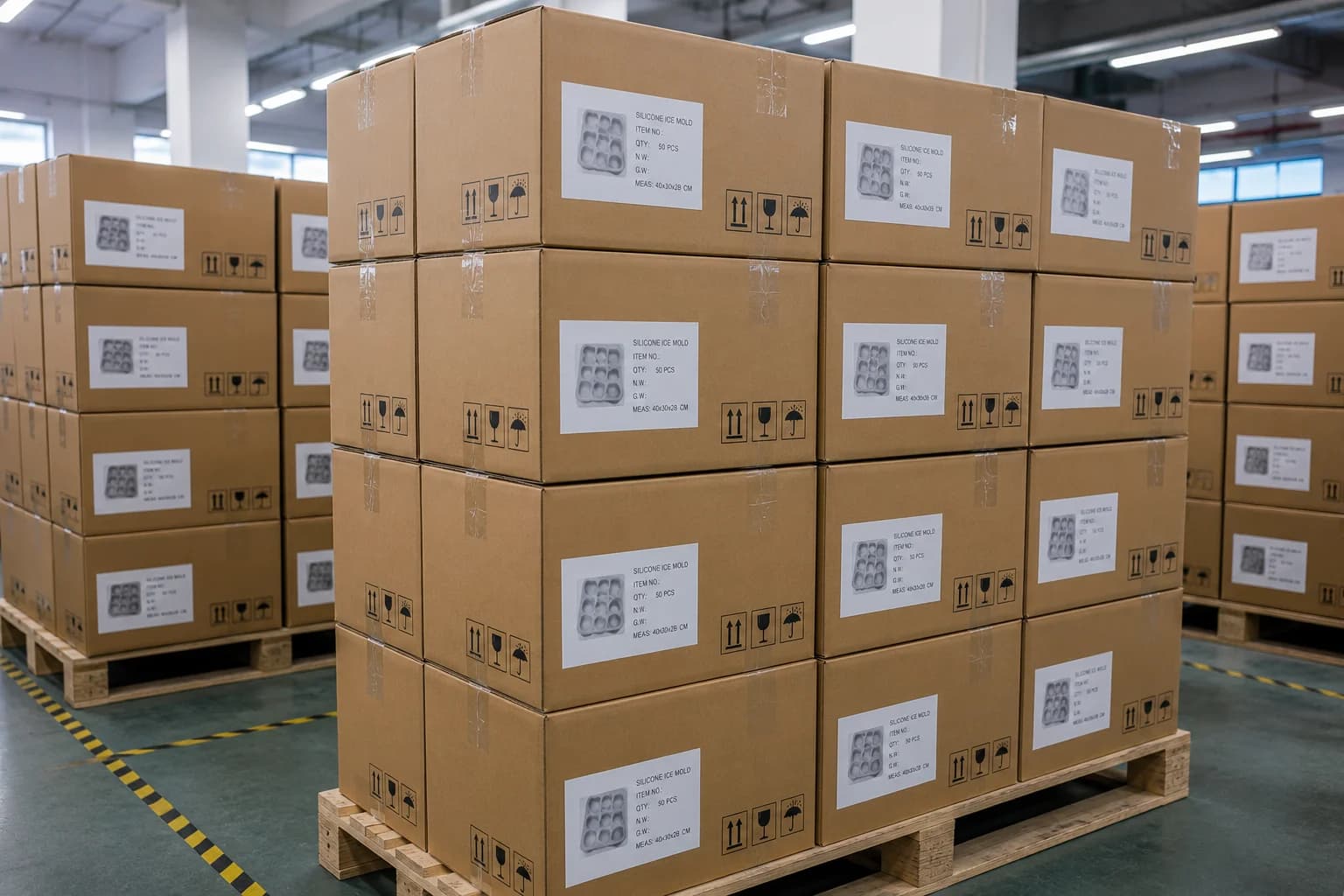
For any business considering a custom project, the design flexibility is the main reason to work with an OEM/ODM manufacturer rather than buying blank retail trays. In a custom silicone ice mold project, the buyer collaborates on cavity design so the ice cube comes out with the intended shape and detail. [K1] But those possibilities come with process obligations: design-file preparation, sampling, tooling, quality inspection, and careful planning around MOQ and lead time. [K4]
Scenario-based advice: A bar owner who wants branded ice cubes for a signature cocktail should start with the logo file, not with a supplier search. Ask the manufacturer how the cavity will be engineered to preserve fine logo details in ice, request samples, and test how the cubes look after freezing in your own ice machine. The same process applies to a company ordering promotional fun ice cube trays with a custom color and logo, but a retail shopper only buying one tray should focus on shape complexity and ease of release instead.
5. Side-by-Side Showdown: Retail Trays vs. Custom Silicone Ice Molds
The table below compares the three most common routes for getting fun ice cube trays: a basic rigid plastic tray, a ready-made silicone fun tray from retail, and a custom silicone ice mold sourced through an OEM/ODM manufacturer.
| Comparison Factor | Standard Plastic Tray | Ready-Made Silicone Fun Tray | Custom Silicone Ice Mold (OEM/ODM) |
|---|---|---|---|
| Typical material | Rigid plastic | Food-grade silicone [K5] | Food-grade silicone, per verified spec [K5] |
| Shape options | Simple cubes | Fixed novelty shapes | Cavity design, shape, size fully customizable [K1] |
| Color options | Usually single-color | Limited retail colors | Custom colors available [K5] |
| Branding/logo | Not available | Not available | Logo customization available [K1] |
| Packaging | Retail packaging | Retail packaging | Custom packaging available [K1] |
| Order volume | Single unit | Single unit | MOQ applies; confirm with manufacturer [K3] |
| Typical buyer | Home user | Home user, gift buyer | Bars, hotels, brands, event agencies, retailers |
| Main advantage | Low cost | Easy release, more fun shapes | Branded, project-specific design |
| Main watch-out | Cracking, odor retention | No customization | Lead time and sampling required [K4] |
The table makes the central judgment visible: the "clear winner" changes with the buyer's goal. If the goal is a quick upgrade at home, a ready-made food-grade silicone fun tray is the rational choice. If the goal is brand differentiation, a standard retail tray cannot compete with a custom mold — but only if the buyer follows a disciplined sourcing process.
Before finalizing the specification, use Comparing Silicone Large Ice Cube Trays for Durability and Ease of Release as an additional planning reference.
Structured Checklist for Custom Projects
Use this verification block when evaluating any custom silicone ice mold supplier:
6. FAQ
Q1. What does "food-grade" silicone mean for fun ice cube trays?

Food-grade silicone refers to material that is considered safe for contact with food. In Renjia's shared product specifications, the verified attributes of its silicone line are food-grade material, odorless finish, and a temperature resistance range of −40°C to 240°C (−40°F to 464°F). [K5] However, "food-grade" is not an automatic property of everything labeled silicone. Buyers should request product-specific material documentation and confirm composition, because even a single manufacturer's portfolio can include products made from composite or non-silicone materials. [K3]
Q2. Can I order fun ice cube trays with my own logo or shape?
Yes. Custom silicone ice molds support customization of cavity design, product shape, size, color, logo, and packaging. [K1] This is how bars, beverage brands, and event planners create logo-embossed ice or signature-shaped cubes. Expect to go through design review and sampling before mass production, and confirm the manufacturer's MOQ and lead time early. [K3][K4]
Q3. What is the difference between an ice cube tray and an ice mold?
In practice, the terms overlap. Renjia's product portfolio shows ice cube trays and ice ball trays under promotional products, while ice block molds appear under household products, and the official usage rules allow ice molds to be tagged across household, kitchen, and promotional contexts. [K2][K3] Functionally, the difference is usually size and cavity design: "ice cube trays" make serving-size cubes, while "ice block molds" make larger formats for slow-dilution drinks or display. For buyers, the more important question is whether the mold produces the shape, size, and release performance they need.
Q4. Are fun ice cube trays only for home kitchens?
No. Because ice molds can serve household, kitchen, and promotional use cases, they appear in commercial settings too: bars using sphere molds for cocktails, hotels using custom-shaped ice for minibars, restaurants using popsicle molds for desserts, and brands using logo trays for launch events. [K2][K3] The product category is defined by the mold design and buyer intent, not by the room it is used in.
7. Conclusion
After comparing material performance, shape design, customization capability, and sourcing requirements, the honest answer is that the clear winner depends on who is asking.
- For a home user, the winner is a food-grade silicone fun ice cube tray with an odorless finish, easy release, and a shape that fits how you actually entertain or pack lunches. Verified food-grade silicone sets the quality baseline. [K5]
- For a business or brand, the winner is a custom silicone ice mold sourced from an OEM/ODM manufacturer that can adjust cavity design, shape, color, logo, and packaging to your specification. [K1]
- For both, the real differentiator is verification. Confirm current availability, material composition, food-contact status, MOQ, and lead time before purchase — and treat any portfolio image or product list as a starting point, not a guarantee. [K3]
The ice cube tray market has shifted from simple freezer tools to a design-driven category that spans household, kitchen, and promotional products. Armed with clear criteria, documented specifications, and a disciplined sourcing checklist, any buyer can pick a winner that performs — and actually survives the freezer.