Key Takeaways
- A custom silicone ice cream mold is developed through an OEM/ODM workflow that typically covers cavity design, product shape, size, color, logo, and packaging [K1].
- Portion size is decided at the cavity-design stage, not after production; custom sizes are available, and the cavity volume determines the final bar weight [K1][K5].
- Plan around realistic project timing: stock samples usually take 1–2 working days, custom samples usually 7–10 working days, mold tooling about 15 working days, and mass production about 15–20 working days [K3].
- Custom orders typically carry an MOQ of 500 pieces, though the final MOQ can vary with design, tooling, packaging, and production scheduling [K3].
- Food-grade silicone ice cream bar molds are odorless and resist temperatures from -40°C to 240°C, which supports repeated freezing, cleaning, and commercial kitchen use [K5].
1. Introduction
Ice cream bars are no longer just a seasonal commodity. For dessert brands, coffee chains, restaurants, catering businesses, and promotional gift buyers, a distinctive ice cream bar is a way to build recognition, justify pricing, and give customers something they cannot buy on the nearest supermarket shelf.
But the product starts before the ice cream is mixed. It starts with the mold. A custom silicone ice cream mold determines the shape customers see, the portion size your kitchen can repeat, and the production requirements a manufacturer must manage — from tooling and sampling to minimum order quantities and lead times.
The common pain point is that buyers approach custom molds the way they approach stock products. They ask for a final price and a ship date before understanding how cavity design, 3D files, tooling, and sampling interact. That often leads to delays, unexpected mold fees, or samples that do not match the original idea. This article walks through the three decisions that matter most — shape, portion size, and production requirements — and provides a practical sourcing checklist for launching a custom silicone ice cream mold project.
2. Shape: A Brand Asset and an Engineering Input
Core conclusion: Shape is the first thing customers notice, but it also affects how easily ice cream releases from the mold and how consistently the bar can be reproduced. Treat shape as both a branding decision and an engineering constraint.
Why shape matters
A custom silicone ice cream mold typically allows customization of cavity design and product shape, as well as size, color, logo, and packaging [K1]. This means a brand can move from a plain rectangular bar to something distinctive — a rounded character face, a geometric wedge, a fruit-inspired silhouette, or a molded logo emblem — and reinforce that identity in every batch.
From a branding perspective, shape supports recognition. A café chain that serves a signature square bar with a recessed logo surface creates a different impression than a dessert brand using a rounded, child-friendly animal shape. Color also plays a role: silicone molds can be produced in custom colors, so the mold itself can align with brand identity [K5].
For a related manufacturing reference, review custom silicone ice mold manufacturing.
From an engineering perspective
The same shape choices raise practical questions:
- Demolding behavior. A shape with sharp undercuts, narrow channels, or detailed textures can make ice cream harder to release cleanly. Food-safe silicone is flexible, which helps demolding, but cavity design must still account for the product's geometry [K1].
- Structural durability. Deep or highly detailed cavities may require thicker mold walls to avoid tearing during repeated use and cleaning.
- Logo and artwork integration. If the mold must imprint a logo or artwork onto the ice cream surface, the design needs to be legible at the intended bar size and survive the molding process [K1].
Scenario-based advice
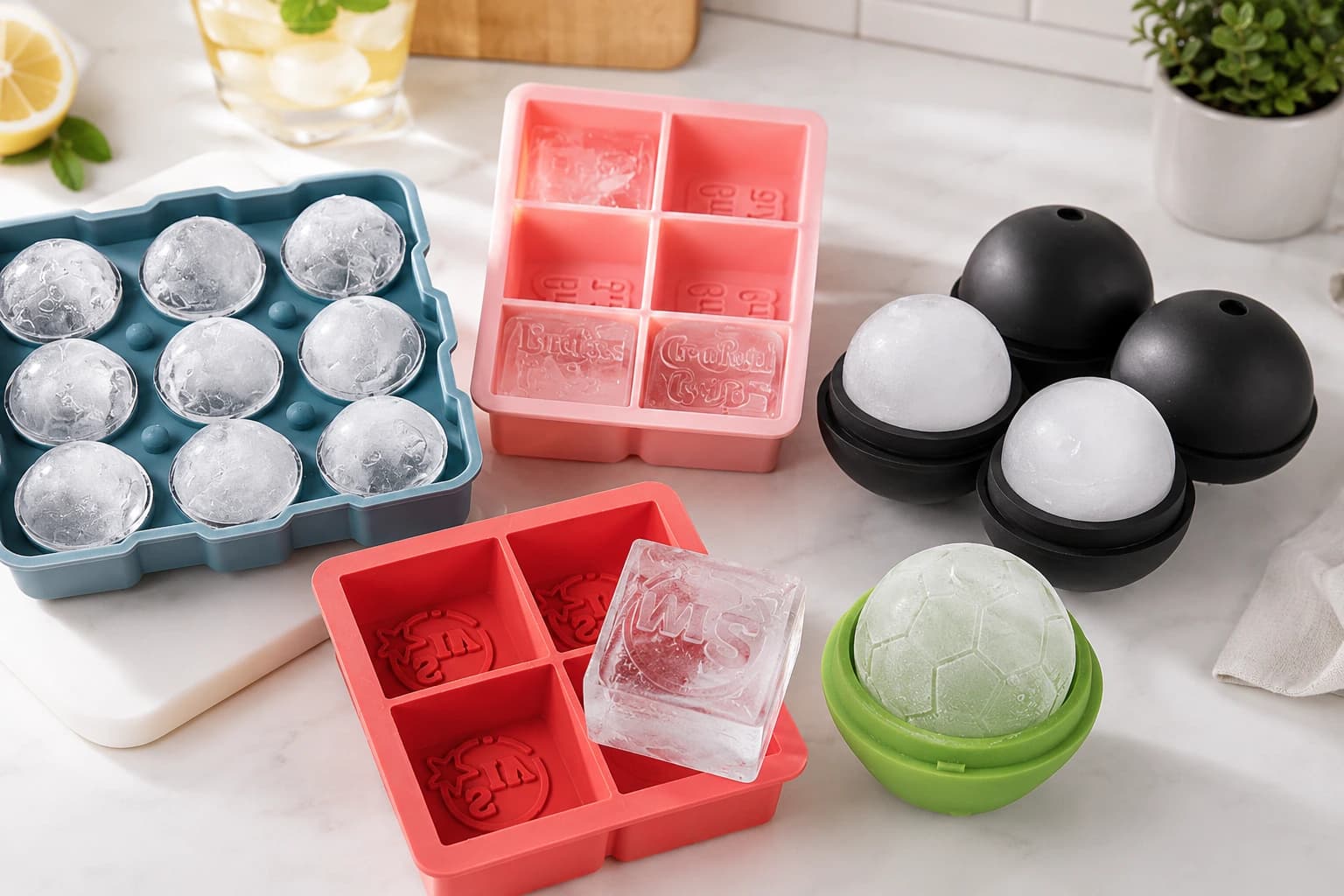
A dessert startup launching a "bear paw" ice cream bar may want sharp claw lines for visual impact. A manufacturer receiving that design file will need to check whether those lines can be reproduced cleanly in the cavity and whether the paw shape can be demolded without breaking. A simpler, slightly rounded version of the design may deliver the same branding with fewer production risks.
Recommendation: Prepare a clear 2D or 3D design file, identify which parts of the shape are essential to the brand, and which can be adjusted. Then ask the manufacturer to review the cavity design before tooling begins [K1].
3. Portion Size: Decided by the Cavity, Not the Kitchen
Core conclusion: Portion size is fixed at the cavity-design stage. If your business needs a 60-gram bar, a 100-gram bar, or a specific piece count per batch, that must be translated into cavity volume during mold development.
Why portion control starts in the mold
Custom silicone ice cream mold development includes cavity design and size as core customization options [K1][K5]. The cavity's volume, depth, and taper determine how much ice cream mix each bar requires and what the final serving weight will be.
This matters for several reasons:
- Cost control. Larger cavities use more mix per bar, raising ingredient cost per unit.
- Labeling and nutrition. If you plan to print nutrition information, the portion weight needs to be stable across production runs.
- Retail and food-service consistency. A customer who buys a bar twice should get the same size each time.
What portion size affects in production
Beyond serving weight, portion size influences:
- Freezing time. Thicker bars take longer to freeze solid in the mold. In commercial production, faster freezing improves throughput.
- Stick placement. For bar molds that hold a stick, the cavity must leave enough depth for the stick to stay anchored while the bar is still semi-frozen.
- Packaging. A larger bar requires larger packaging, which affects packaging design and cost [K1].
Scenario-based advice
A food-service buyer serving ice cream bars in a school cafeteria needs a controlled, child-friendly portion, such as a smaller cavity that produces a lighter bar. A premium dessert brand may want a taller, denser bar to justify a higher price point. Both can be accommodated through custom sizes, but only if the portion target is communicated during design review, before the 3D design is finalized [K1][K3].
Recommendation: Define your target portion weight and bar dimensions in writing before sampling. Ask the manufacturer to confirm cavity dimensions and expected fill volume so the sample matches your serving requirement on the first attempt.
4. Production Requirements: Tooling, Sampling, MOQ, and Lead Times
Core conclusion: A custom mold project follows a defined sequence — design confirmation, tooling, sampling, and mass production — and each step has its own timeline and cost assumptions. Understanding these steps prevents unrealistic expectations.
For additional context on this decision, see Custom Silicone Ice Pop Molds: Key Decisions on Cavities, Sticks, and Release.
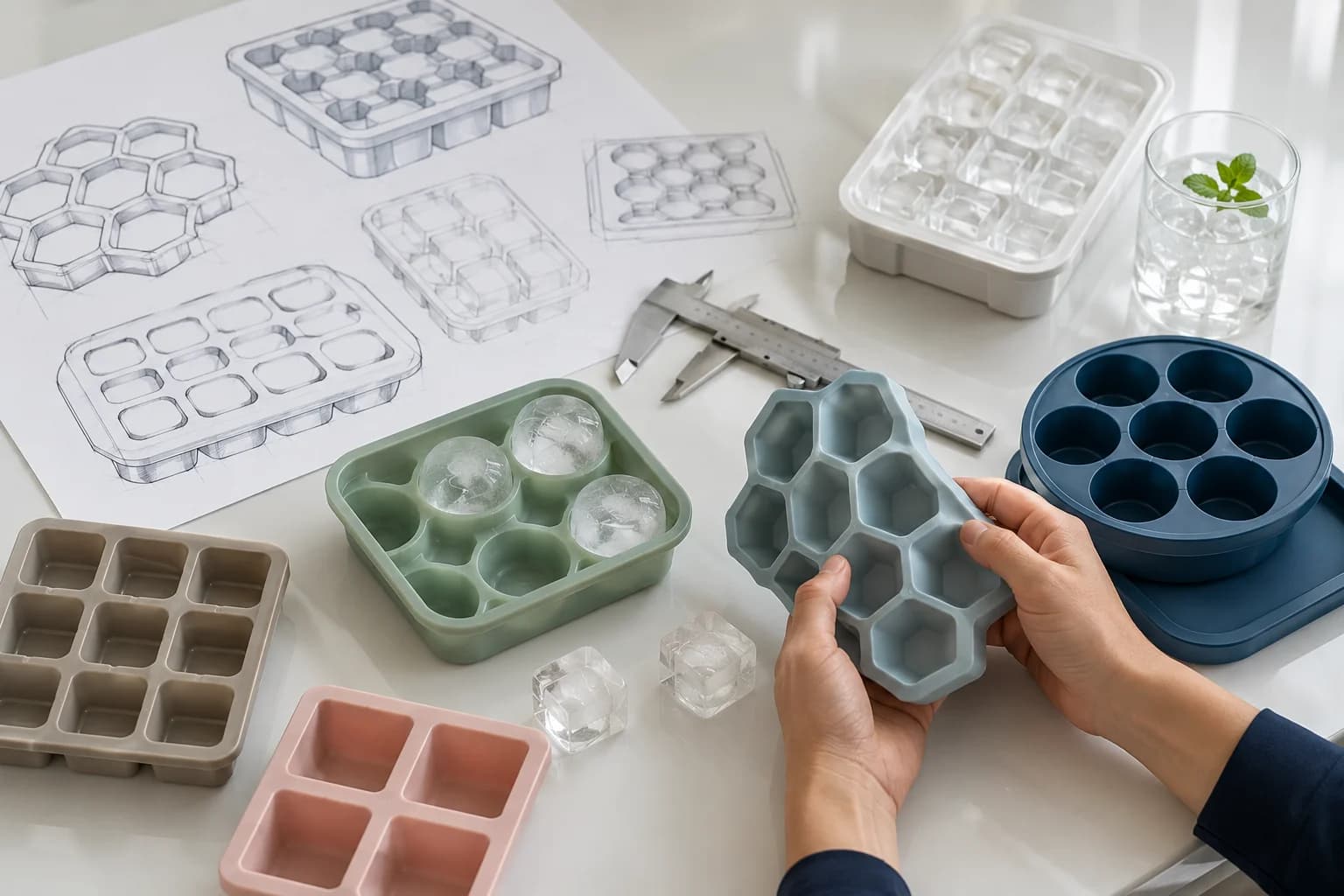
The typical project flow
Custom silicone ice cream mold projects generally move through the following stages [K1]:
- Design review. The manufacturer reviews your design files and project requirements, then quotes the mold fee [K3].
- 3D design confirmation. The cavity geometry, shape, and size are finalized.
- Mold/tooling production. The mold is manufactured, typically taking about 15 working days after 3D design confirmation [K3].
- Custom sampling. Custom samples usually take 7–10 working days after design and specification confirmation [K3].
- Mass production. Production usually takes 15–20 working days after the order and production details are confirmed [K3].
MOQ and sampling policies
Custom orders typically have an MOQ of 500 pieces, but the final MOQ may vary based on design, tooling, packaging, product requirements, and production scheduling [K3]. This is not a fixed rule; it is a starting point for negotiation and planning.
Sample policies also need clarification. Free samples may be available, but availability, freight, taxes, and any custom-sample charges must be confirmed case by case [K3]. Stock samples, when available, usually ship in 1–2 working days [K3].
Scenario-based advice
A brand planning a seasonal summer launch needs to work backward from the target launch date. If mass production takes 15–20 working days and custom sampling takes 7–10 working days, the product development cycle should start at least five to seven weeks before the launch date, excluding mold tooling time and shipping [K3]. Starting earlier is safer, especially if design revisions are needed after sampling.
Recommendation: Before placing an order, confirm four numbers in writing: the mold fee, the sample fee (if any), the MOQ, and the production lead time. These four numbers define the entire commercial relationship [K3].
Before finalizing the specification, use Novelty Ice Cube Trays: How to Evaluate Shapes for Custom Production as an additional planning reference.
5. Key Considerations: A Buyer's Checklist and Project Timeline
Suggested project timeline
| Project stage | Typical duration | Key inputs | Source |
|---|---|---|---|
| Stock sample (if available) | 1–2 working days | Existing sample availability, freight, taxes | [K3] |
| Custom sample | 7–10 working days | Confirmed design and specifications | [K3] |
| Mold/tooling production | About 15 working days | Confirmed 3D design | [K3] |
| Mass production | 15–20 working days | Confirmed order and production details | [K3] |
Structured information block
Custom silicone ice cream mold — standard specification reference [K5]
- Material: silicone
- Food-contact grade: food-grade
- Odor: odorless
- Temperature resistance: -40°C to 240°C (-40°F to 464°F)
- Core specification: custom sizes available
- Customization options: custom colors, custom sizes, custom shapes, and custom packaging
Buyer checklist
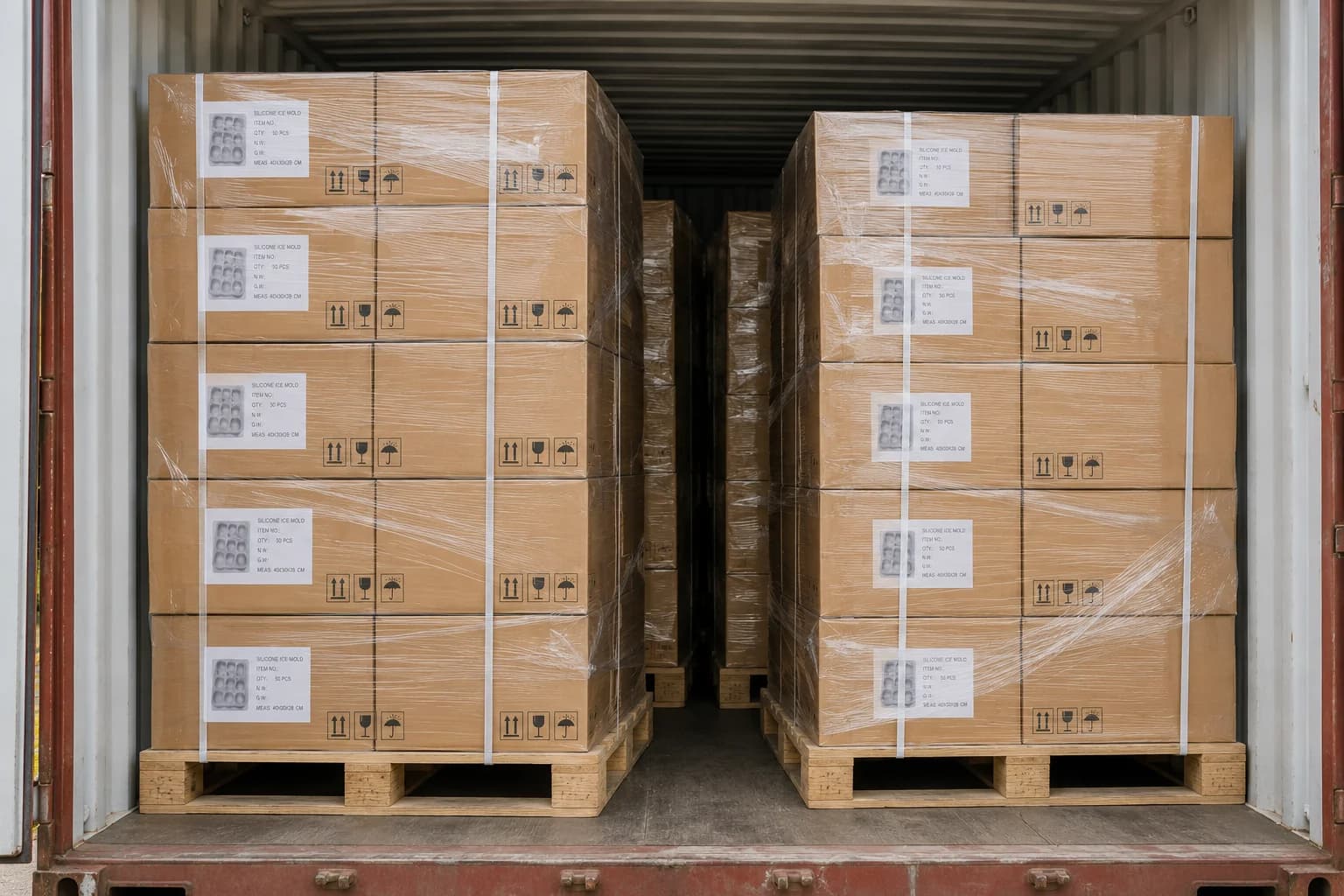
Before contacting a manufacturer, prepare the following:
- Product shape reference or sketch, including cavity design intent [K1].
- Target dimensions and portion weight per bar.
- Brand colors, logo, or artwork for the mold surface [K1].
- Packaging requirements, since packaging is a typical customization option [K1].
- Target launch date, to calculate whether the lead-time window is realistic [K3].
- Order quantity estimate, to compare against the typical 500-piece MOQ [K3].
Caution: Avoid signing off on tooling or mass production until the sample has been reviewed. Sampling exists to catch problems while they are still cheap to fix. The sample stage is the point where design, cavity shape, and portion size are validated before mass production begins [K1][K3].
6. FAQ
Q1. What is the typical MOQ for custom silicone ice cream molds?
Custom orders typically require an MOQ of 500 pieces, but the final MOQ can vary by design, tooling, packaging, product requirements, and production scheduling. Confirm the MOQ with the manufacturer case by case [K3].
Q2. What can be customized on a silicone ice cream mold?
Typical customization includes cavity design, product shape, size, color, logo, and packaging [K1]. The manufacturer reviews a buyer's design files and project requirements before quoting tooling and production terms [K3].
Q3. How long does it take to produce a custom sample and mass production?
Custom samples usually take 7–10 working days after design and specification confirmation. Mass production usually takes 15–20 working days after the order and production details are confirmed. Mold tooling typically takes about 15 working days after 3D design confirmation [K3].
Q4. What temperature range can food-grade silicone ice cream bar molds withstand?
Food-grade silicone molds are odorless and resist temperatures from -40°C to 240°C, making them suitable for freezer use and cleaning processes [K5].
7. Conclusion
A custom silicone ice cream mold is a manufacturing project, not a simple purchase. The three decisions covered in this article — shape, portion size, and production requirements — determine whether the final product is recognizable, consistent, and delivered on time.
- Shape needs to balance brand identity with demolding and cavity-design practicality [K1].
- Portion size must be designed into the cavity and validated through sampling [K1][K5].
- Production requirements — tooling, MOQ, and lead times — define the project schedule and commercial terms [K3].
The practical next step is clear: prepare a design file that covers shape, dimensions, and logo placement; define the target portion weight; and contact an experienced silicone OEM/ODM manufacturer to review the cavity design, confirm the mold fee, and align on sampling and production timelines [K1][K3]. A structured, document-first approach is the most reliable way to move from idea to a mold that produces consistently shaped, correctly portioned ice cream bars at scale.