Key Takeaways
- Cylinder ice cube trays produce rounded ice that melts slower and looks polished in glassware, but stackability depends on mold geometry, lid design, and cavity layout — not just the shape of the ice.
- The most practical designs combine a snug lid or flat outer frame with a flexible silicone mold, allowing uniform cylinders to stack evenly in a freezer bin or drink cooler.
- Food-grade silicone with a verified temperature range (e.g., -40°C to 240°C / -40°F to 464°F) is a dependable baseline for repeated freezing, easy release, and odorless operation [K5].
- For brands, working with an experienced ice tray maker enables customization of cavity design, shape, size, color, logo, and packaging — but availability, MOQ, certification, and lead time must be confirmed before production [K1][K4].
- Always approve a physical sample before a full production run, and use a pre-shipment inspection checklist to verify dimensions, release performance, and stackability at scale [K3].
1. Introduction
Cylinder or round ice has moved from cocktail bars into home freezers and retail shelves. The appeal is easy to understand: a dense cylinder melts more slowly than a standard cube, dilutes a drink less, and looks intentionally styled in a glass. The problem is that round shapes are naturally difficult to stack. Trays filled with cylinder cavities take up awkward space in a crowded freezer, and the finished ice rolls around loosely in a cocktail cooler or storage bin.
That is where thoughtful cylinder ice cube tray designs matter. A well-designed tray is not just about producing a pretty shape. It is about how the mold fills, how cleanly the ice releases, whether the tray itself stacks in the freezer, and whether the finished ice fits neatly into a glass or a retail package.
This article explains what makes a cylinder ice cube tray genuinely stackable and stylish, what to check when buying one for home use, and how custom manufacturing decisions change the equation when you are sourcing through an ice tray maker. The guidance is grounded in verified product knowledge from Renjia, a silicone OEM/ODM manufacturer, so the recommendations reflect real production considerations rather than generic marketing advice [K1][K5].
By the end, you will have a practical checklist: which design features to prioritize, which material specifications to verify, and which questions to ask a supplier before placing an order.
2. What Makes a Cylinder Ice Cube Tray Design Stackable
Core conclusion: stackability is decided in the design phase — through cavity geometry, tray frame, and covering system — not by the ice itself after freezing.
Round cavities in a flat, open tray create pieces of ice that roll. To make cylinder trays stackable, designers use one or more of the following approaches:
For a related manufacturing reference, review custom silicone ice mold manufacturing.
- Covered tray design: a lid or top cover encloses the cylinder cavities fully, so the tray itself can be stacked on top of another tray in the freezer without the ice shifting.
- Flat rectangular frame with rounded cavities: the outer frame stays rectangular like a standard tray, so multiple trays stack evenly even though the cavities inside are round.
- Modular cavity layout: a regular grid of identical cylinder cavities allows the finished ice to be removed and re-stacked in a freezer bin with predictable spacing.
- Flat-bottomed or tapered cylinders: some designs use a slightly tapered or flat-bottomed cylinder so the ice pieces sit upright in a glass or storage container instead of rolling.
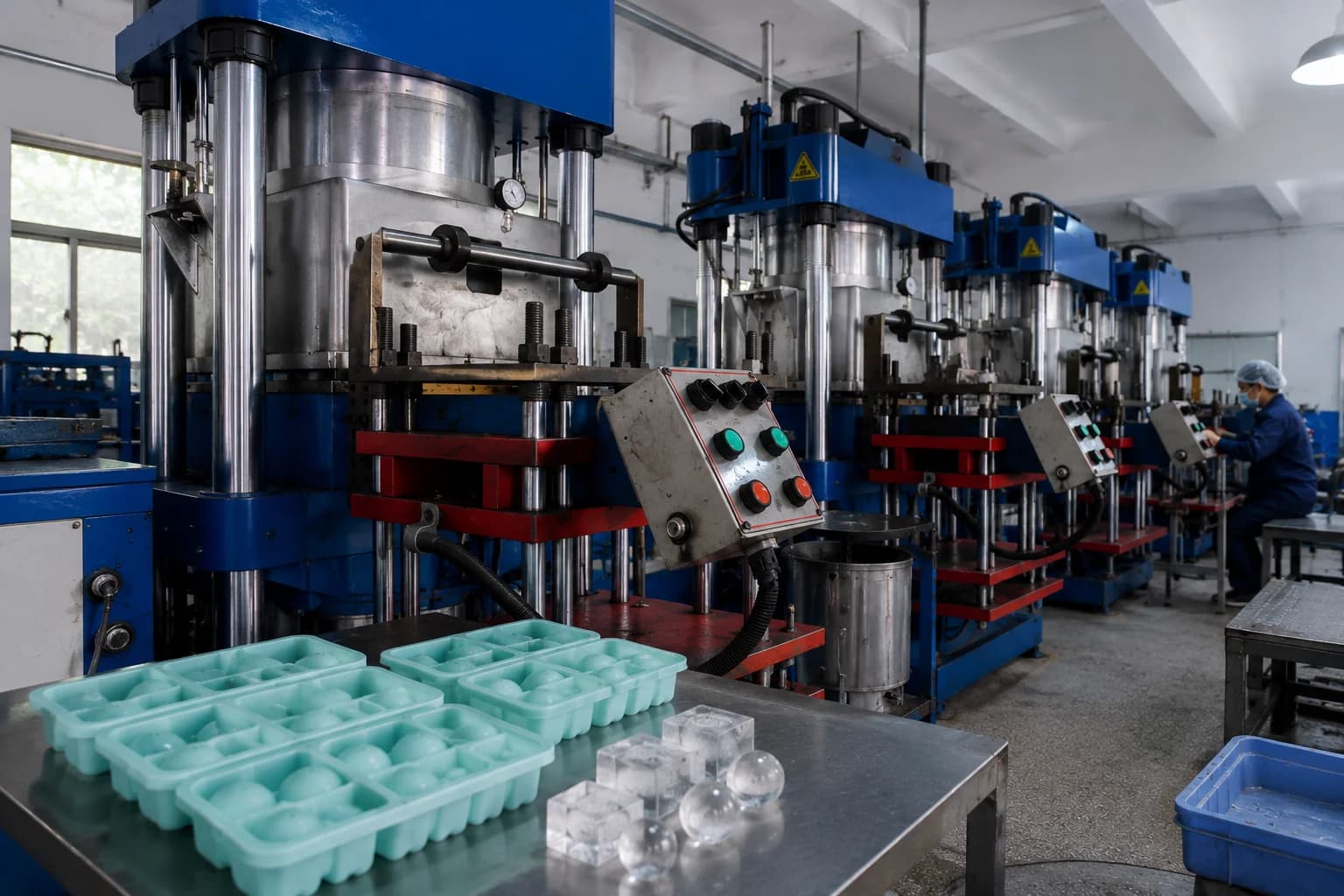
Practical scenario: if you are buying for home use, look for a tray with a lid or a stiff, flat outer frame. A covered tray prevents spillage when you carry it from the sink to the freezer, which is the most common cause of uneven ice and wasted space. If you are a brand sourcing from a custom ice tray maker, ask for a design review that covers how the cavity shape will behave during demolding and stacking — this is a standard step in custom silicone mold projects [K3].
3. Silicone Materials and Food-Safe Design: What to Verify
Core conclusion: material choice matters more than shape. Food-grade silicone is the industry baseline for repeated freezing, easy release, and clean odor-free operation [K5].
Cylinder ice cube trays are most commonly made of silicone because the material flexes enough to release rounded ice without twisting, cracking, or leaving residue behind. Verified specifications for food-grade silicone ice molds include:
- Food-contact grade: silicone formulated for direct food contact [K5]
- Odorless: no lingering rubber smell that can transfer to ice [K5]
- Temperature resistance: -40°C to 240°C (-40°F to 464°F), covering standard freezer and dishwasher use [K5]
- Custom sizes: molds can be produced in different dimensions to match specific glasses and freezer layouts [K5]
Caution (boundary condition): not every product labeled "silicone" is pure food-grade silicone. Fillers and additives can change the feel, odor, and durability of the tray over time. If a claim looks too general — for example, "food-safe" without any material specification — ask the supplier for a product-specific specification sheet before purchasing [K4].
Practical advice: when evaluating a cylinder ice cube tray, run a simple home test: fill it, freeze it, and check three things — how easily the ice releases, whether the tray returns to its original shape after flexing, and whether the ice has any odor. These three checks mirror what a manufacturer would verify during sample approval and pre-shipment inspection [K3].
4. Customization Options When Working with an Ice Tray Maker
Core conclusion: for brands, the real value of working with an ice tray maker is customization. Cavity design, product shape, size, color, logo, and packaging can all be tailored to a retail, hospitality, or promotional strategy [K1].
Cylinder ice cube trays are frequently produced as branded or promotional products, and they can be positioned across household, kitchen, and promotional categories [K2][K4]. According to Renjia's verified product knowledge, custom silicone ice molds typically support the following customization areas [K1]:
For additional context on this decision, see Ice Molds for Tumblers and Bottles: Choosing Long Cubes, Spears, and Narrow Formats.
| Customization area | What it controls |
|---|---|
| Cavity design | Cylinder diameter and height, tailored to a target glass size |
| Product shape | Outer tray geometry, including lids, handles, and frame profile |
| Size | Number of cavities per tray and overall tray footprint |
| Color | Brand-matched or market-specific colors |
| Logo | Debossed or printed branding on the tray surface |
| Packaging | Retail-ready packaging, hang tags, or custom inserts |
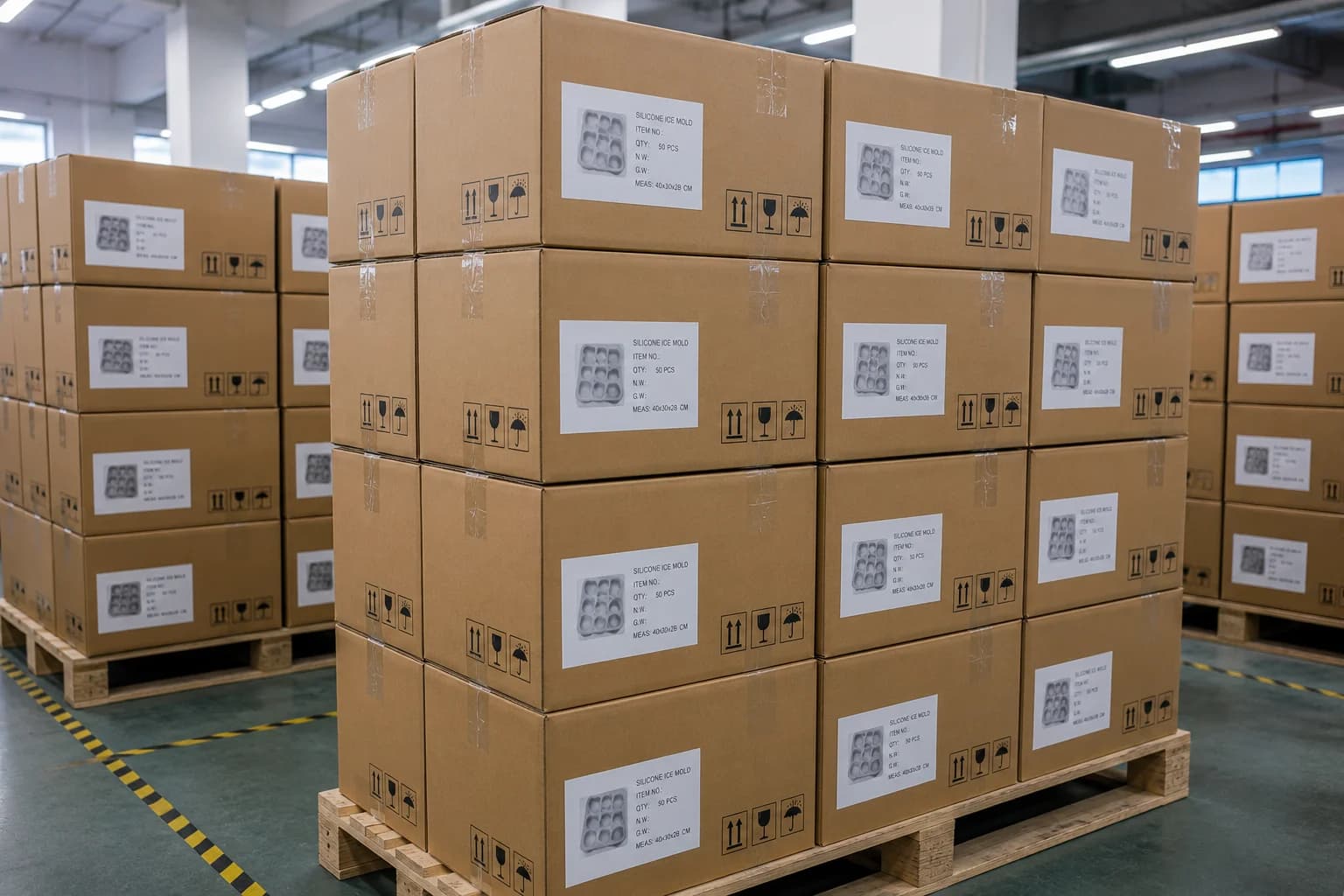
Practical decision scenario: suppose you are a beverage brand planning a summer promotional campaign. You want a branded cylinder ice cube tray in your signature color, with a debossed logo and retail-ready packaging. A typical project path would look like this:
- Share artwork and a design file with the manufacturer [K3].
- Confirm cavity dimensions, material specifications, and tray footprint.
- Approve a physical sample for release performance, odor, and stackability [K3].
- Confirm tooling costs, MOQ, and lead time [K3].
- Run a pre-shipment inspection on the final batch before delivery [K3].
This process is standard for custom silicone mold development, and it protects both the buyer and the manufacturer from mismatched expectations [K1][K3].
5. Key Comparison: Buying vs. Sourcing a Cylinder Ice Cube Tray
The decision path is different for a home user buying one tray and a brand sourcing thousands. The table below summarizes the key differences.
| Decision area | Consumer buying | B2B sourcing (from an ice tray maker) |
|---|---|---|
| Primary concern | Stackability, easy release, glass fit | MOQ, tooling, sampling, and lead-time planning [K3] |
| Material verification | Check food-grade label and odor | Request product-specific specification and material data [K4][K5] |
| Customization | Usually none | Cavity design, shape, size, color, logo, and packaging [K1] |
| Quality control | Home test after purchase | Sample approval and pre-shipment inspection [K3] |
| Cost structure | Retail unit price | Unit price plus tooling and packaging costs |
| Main risk to manage | Tray warping or cracking in the freezer | Availability, certification, and lead-time mismatches [K4] |
Structured information block — verified reference specifications for a silicone cylinder ice cube tray:
- Material: food-grade silicone [K5]
- Odor: odorless [K5]
- Temperature resistance: -40°C to 240°C (-40°F to 464°F) [K5]
- Customization options: custom colors, custom sizes, custom shapes, and custom packaging [K5]
- Typical project topics supported: design-file preparation, sampling, tooling, packaging, quality inspection, and sourcing [K1][K3]
Important boundary condition: before publishing a product-specific claim or quotation, confirm current availability, material composition, dimensions, certifications, MOQ, and lead time with the supplier. A product portfolio diagram is evidence of a manufacturer's reported capabilities, not proof that every item is currently stocked for every market [K4].
Before finalizing the specification, use Creative Ice Making Trays That Turn Freezer Time into Fun as an additional planning reference.
6. FAQ
Q1. Can cylinder ice cube trays really stack on top of each other?
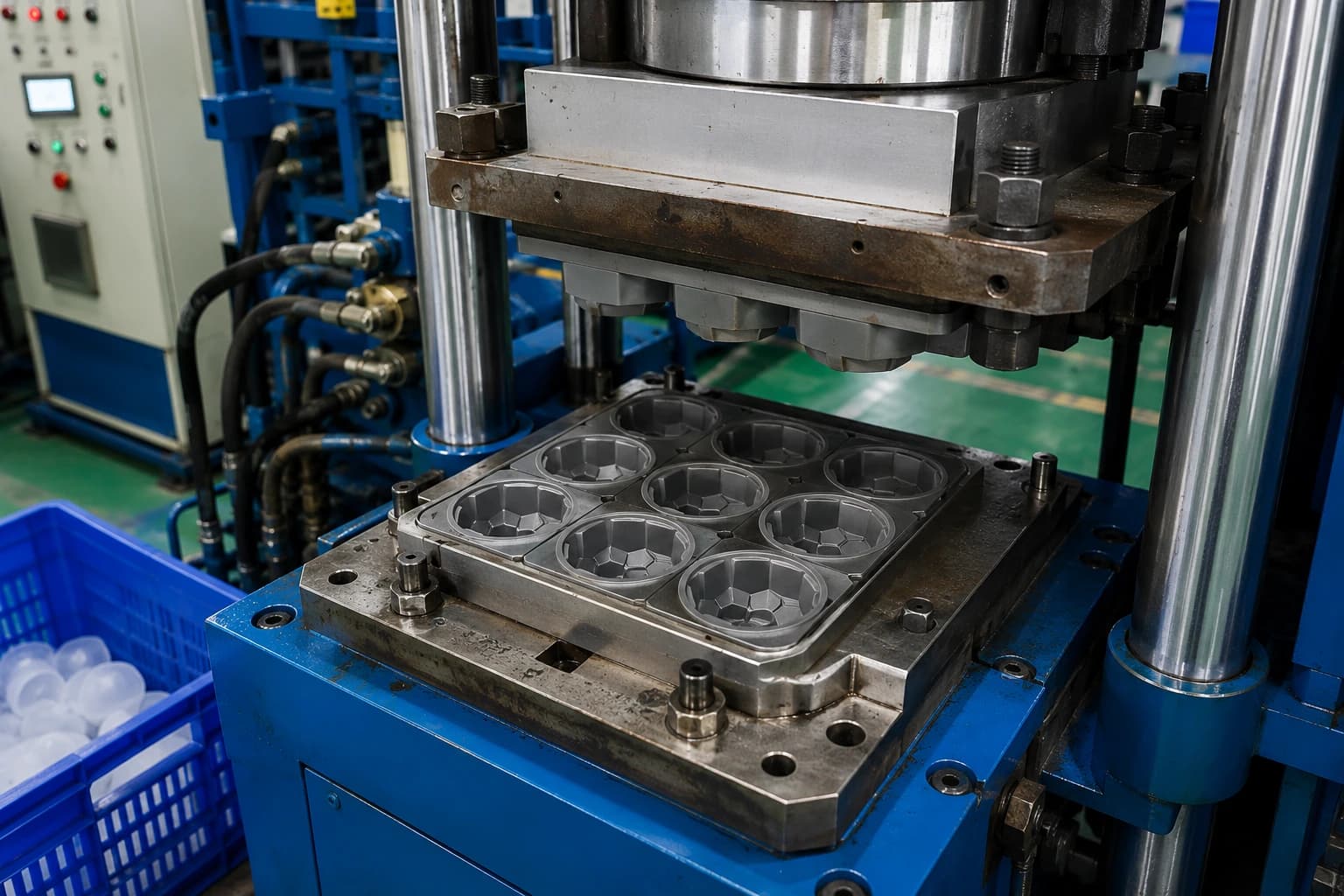
Yes, if the tray is designed with a flat outer frame or a lid. A covered tray allows even stacking in the freezer, prevents water spillage during transport, and keeps the cylinder cavities fully enclosed. If a tray has exposed round cavities without a lid, stacking is difficult because the ice cannot support the weight of the tray above it. Check the product images or ask the supplier about the frame and lid design before purchase.
Q2. What should I look for in an ice tray maker for custom cylinder trays?
Look for a manufacturer that supports the full customization path: cavity design, product shape, size, color, logo, and packaging [K1]. Also confirm that the manufacturer can review your design file, provide a physical sample, and guide you through tooling, MOQ, lead-time planning, and pre-shipment inspection [K3]. Request a product-specific specification sheet that confirms material, dimensions, and temperature resistance rather than relying on general marketing claims [K4][K5].
Q3. Is silicone the best material for cylinder ice trays?
Silicone is a practical and common choice for cylinder ice trays because it is flexible enough to release rounded ice easily, food-grade options are available, and it can withstand repeated freezer use across a wide temperature range such as -40°C to 240°C (-40°F to 464°F) [K5]. However, "silicone" alone is not a quality guarantee. Verify that the material is food-grade, odorless, and specifically documented for the intended use [K4][K5].
Q4. How many cavities should a stackable cylinder tray have?
There is no single correct answer. The number of cavities depends on the cylinder size and the tray footprint you want. A 14-cavity tray for standard highball glasses and a smaller 6-cavity tray for large-format cylinder ice serve different purposes. When sourcing custom molds, an ice tray maker can adjust the cavity count to match your target glass size and freezer layout [K1][K3]. Prioritize consistent cavity geometry over raw cavity count, because uniformity is what makes stacking predictable.
7. Conclusion
Cylinder ice cube trays are more than a visual trend. They are a practical solution for slower-melting, glass-friendly ice that looks intentional in any drink. The best designs are stackable by construction: a flat or lidded frame, a uniform cavity layout, and food-grade silicone that releases cleanly every time [K5].
For consumers, the short version is this: choose a covered or flat-framed silicone tray with a verified food-grade material and a temperature range that matches your freezer and dishwasher habits [K5].
For brands and promotional buyers, the opportunity is broader. A custom ice tray maker can turn a simple cylinder tray into a branded, retail-ready product with customized cavity design, shape, size, color, logo, and packaging [K1]. Just remember to confirm current availability, MOQ, certifications, and lead time before you commit, and always approve a physical sample before full production [K3][K4].
Whether you are buying one tray or sourcing thousands, the same principle applies: stackability and style are decided in the design and material selection — not after the ice freezes.