Key Takeaways
- Big ice melts more slowly than small cubes because it has less surface area relative to its volume, which means less dilution in whiskey and spirit-forward cocktails.
- A cylinder ice cube tray combines the slow-melt benefit of large-format ice with practical filling, stacking, and clean release in a rocks glass.
- Food-grade silicone is the key material requirement. Verified specifications for food-grade silicone molds include odorless material and temperature resistance from -40°C to 240°C (-40°F to 464°F) [K5].
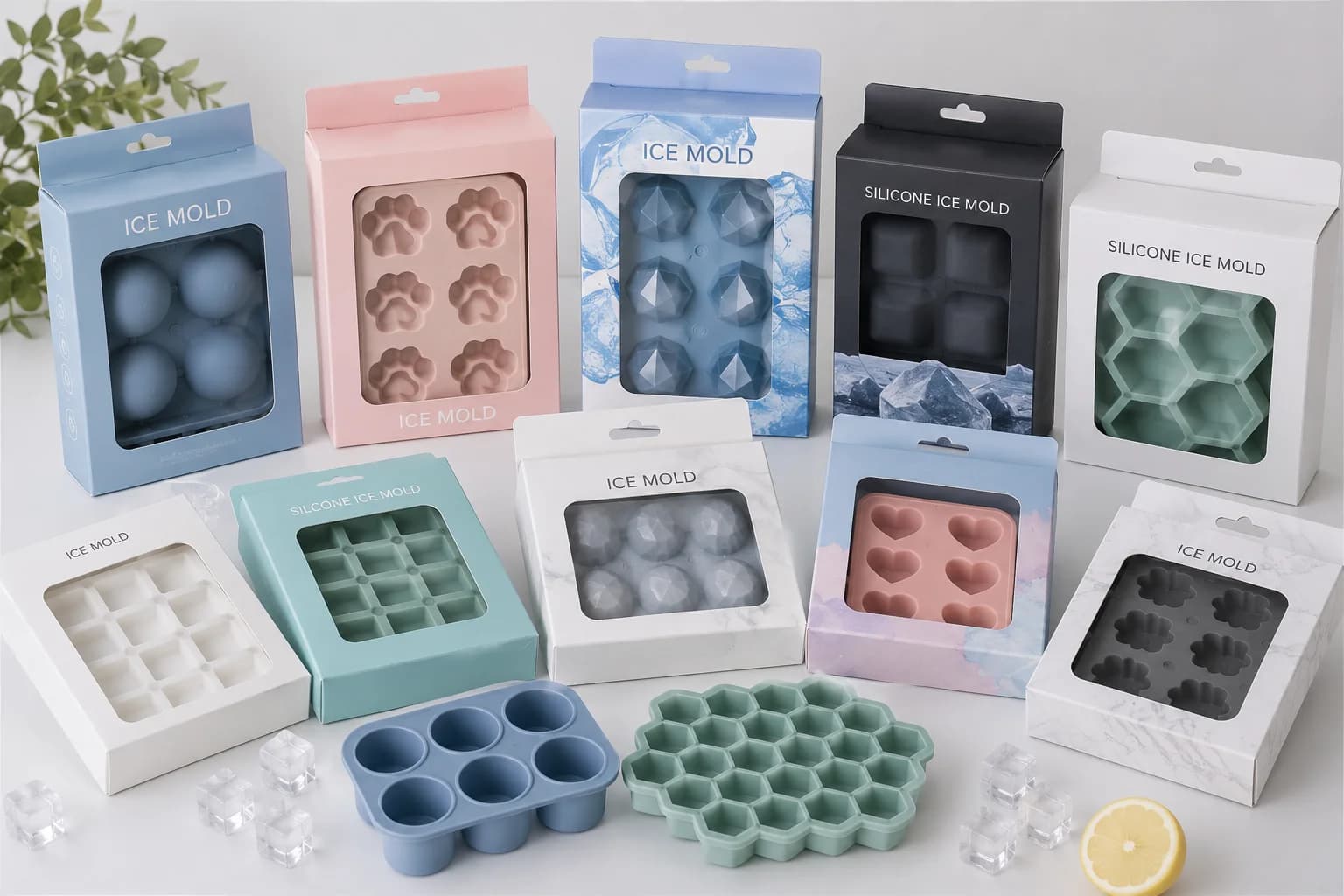
- Silicone ice molds can be customized in cavity design, size, shape, color, logo, and packaging, making them relevant for home use, kitchen use, and promotional or branded bar programs [K1][K2].
- Before ordering custom molds, confirm current availability, material composition, dimensions, certifications, MOQ, and lead time with the manufacturer [K4].
1. Introduction
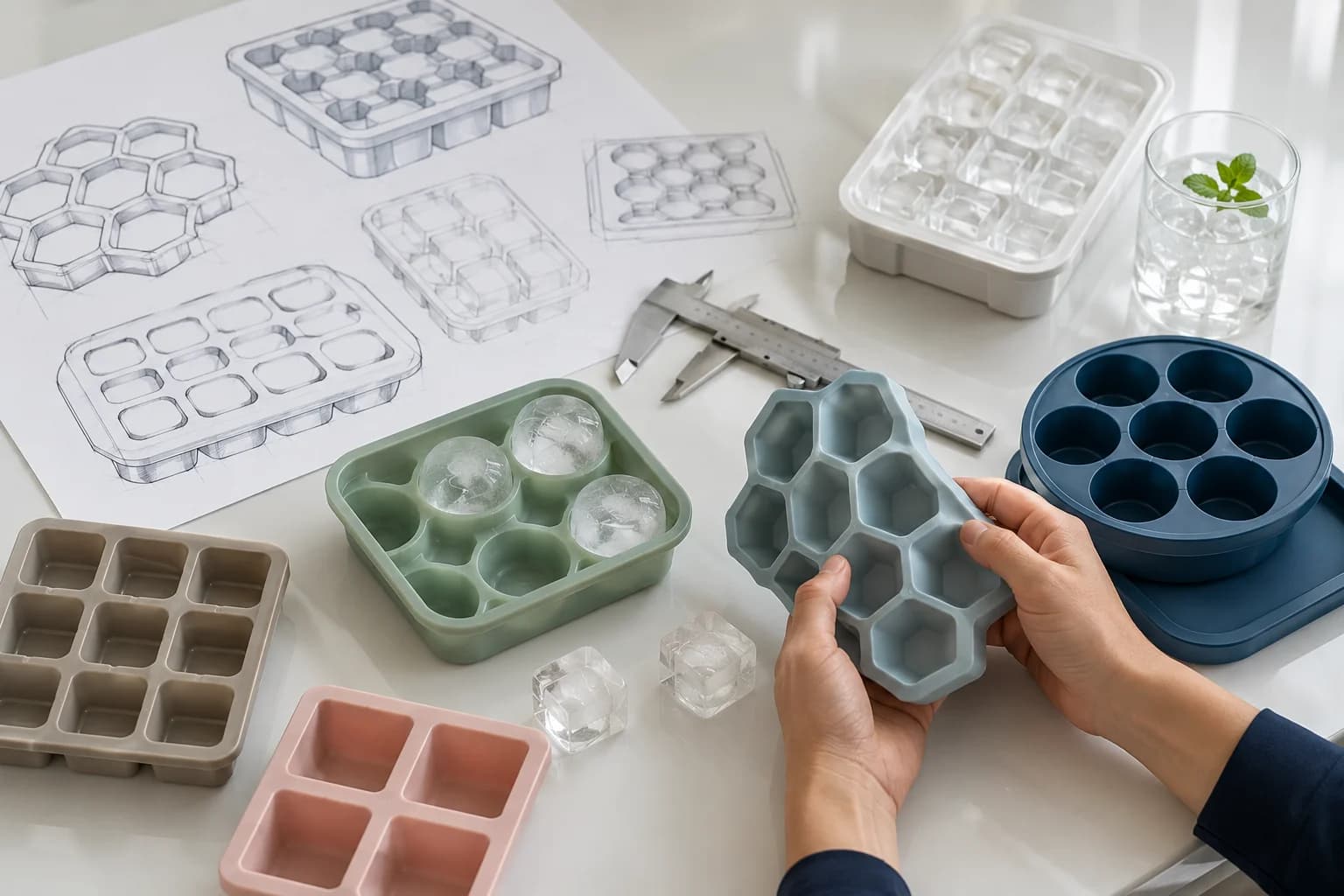
For decades, the standard ice cube tray set the expectation for home drinks: small cubes that freeze quickly, release easily, and melt quickly. That last quality is the problem. When whiskey or a spirit-forward cocktail sits on small ice, the meltwater dilutes the drink within minutes. The first sip is balanced; the last sip is watery.
For a related manufacturing reference, review custom silicone ice mold manufacturing.
The craft cocktail movement changed the standard. Bars began serving old fashioneds on a single large ice block or sphere, visibly slowing dilution and keeping drinks cold with less interference. Home drinkers noticed, but hand-cutting ice requires time, freezer space, and practice. The practical answer is a large-format mold.
This article focuses on one of the most useful formats: the cylinder ice cube tray. It explains why large ice changes the drinking experience, compares cylinder trays with sphere and standard trays, and describes what to look for in a food-grade silicone mold. It also covers how bars, restaurants, and brands can source custom cylinder ice cube trays for branded ice programs, using verified silicone manufacturing knowledge as the reference point [K1][K5].
For additional context on this decision, see Large Ice Cube Trays for Whiskey: A Buyer’s Guide to Size and Shape.
If you want better whiskey or cocktails at home, or a distinctive ice program for your business, the mold you choose matters more than you might think.
2. Why Ice Size and Shape Matter in Whiskey and Cocktails
Core conclusion: dilution control is a geometry problem.

When ice is placed in a drink, it absorbs heat from the liquid and melts. The rate of melting depends on how much ice surface is exposed to the liquid relative to the ice's volume. A small cube has a high surface-area-to-volume ratio, so a tray of small cubes melts quickly and releases water fast. A large cube has a lower ratio, so it melts more slowly, chilling the drink without flooding it with water.
Before finalizing the specification, use Giant Ice Cube Moulds: The Secret to Professional-Grade Beverage Presentation as an additional planning reference.
This matters most for whiskey and spirit-forward cocktails. Drinks like an old fashioned, a Manhattan, a Negroni, or a Boulevardier are built on a strong alcoholic base. They benefit from a small, controlled amount of dilution to open up aromas and soften the bite, but too much water collapses the structure. Large ice delivers that balance: it cools effectively while keeping dilution gradual.
The shape also affects the experience. A cylinder ice cube tray produces a tall, round block that fits naturally in a rocks glass or a tumbler. Because a cylinder has a consistent cross-section, it melts in a predictable way from the outside in, and it will not roll around the glass the way a sphere can. It keeps the glass looking neat from the first sip to the last.
Practical scenario: you are pouring