Key Takeaways
- Regular cleaning with appropriate methods prevents bacterial growth and maintains ice quality for food safety
- Proper drying and storage techniques extend the lifespan of silicone ice ball molds by preventing material degradation
- Different cleaning approaches are needed for varying levels of dirtiness, from daily maintenance to deep cleaning
- Environmental factors and freezer conditions significantly impact maintenance frequency and product longevity
- Following manufacturer guidelines and avoiding harsh chemicals preserves the silicone's flexibility and shape integrity
1. Introduction
Silicone ice ball molds have become increasingly popular in both home and commercial settings, offering an elegant way to chill beverages without rapid dilution. These versatile tools, categorized under household, kitchen, and promotional products (Evidence K4), allow users to create perfectly round ice spheres that melt slower than traditional ice cubes. However, many users overlook the critical importance of proper cleaning and maintenance, which can lead to bacterial growth, unpleasant odors, reduced ice quality, and ultimately, a shortened product lifespan.
The environmental benefits of reusable silicone ice ball molds align with the growing preference for sustainable alternatives to single-use plastic products (Evidence K5). Yet, without proper care, these eco-friendly alternatives can become sources of contamination rather than solutions. This article provides comprehensive guidance on cleaning and maintaining silicone ice ball molds to ensure long-lasting performance and consistent ice quality. Whether you're a home enthusiast or a professional bartender, implementing these practices will help you get the most from your investment while maintaining food safety standards.
2. Understanding Your Silicone Ball Ice Molds
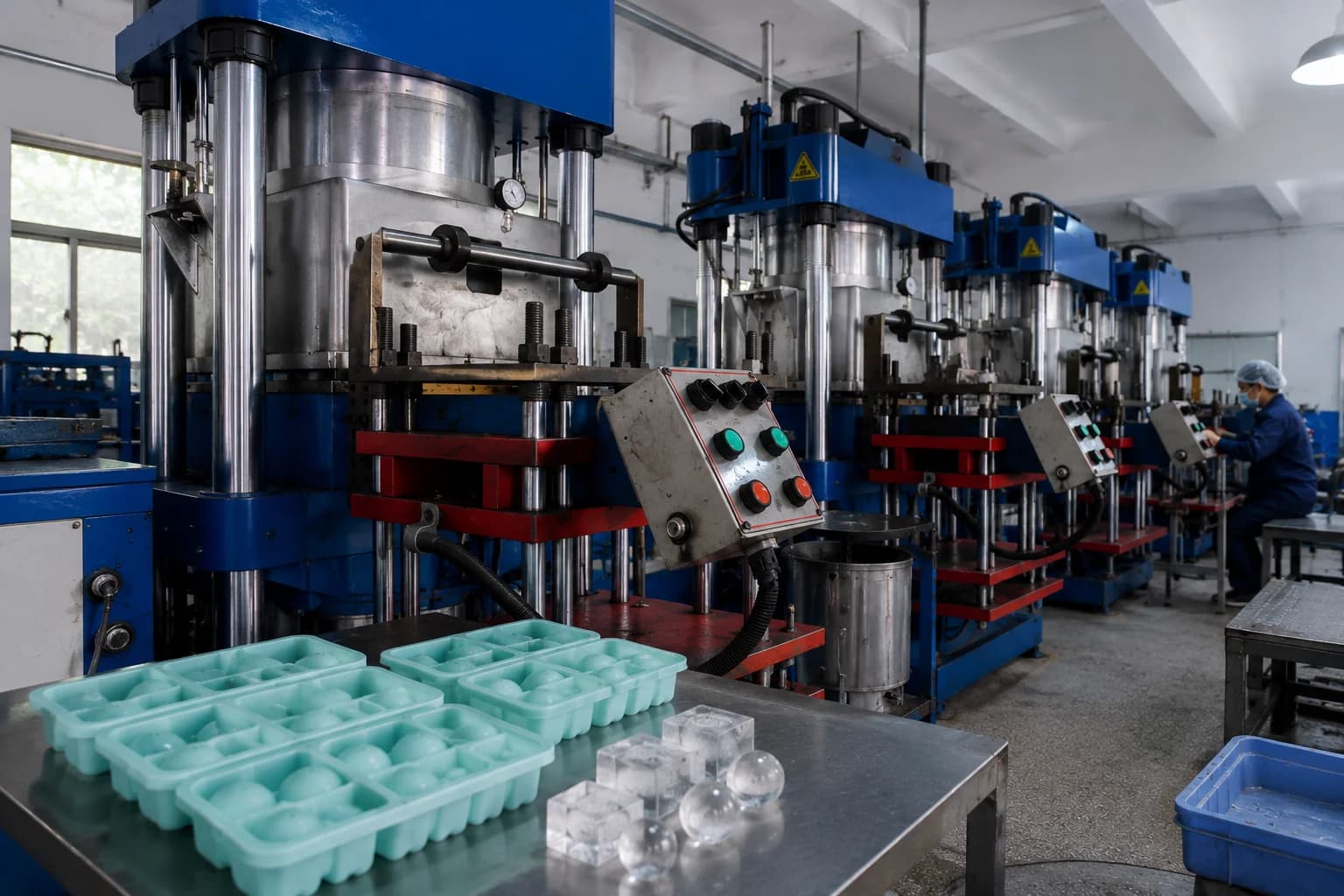
Silicone ice ball molds are typically constructed from food-grade silicone, a flexible and durable material that can withstand freezing temperatures while releasing ice balls easily. These molds can vary significantly in design, cavity size, shape, and color, with many manufacturers offering customization options including logos and specific packaging (Evidence K1). The most common designs feature spherical cavities that produce ice balls approximately 1.5-2.5 inches in diameter, though sizes can vary based on manufacturer specifications.
When selecting or using silicone ice ball molds, it's important to understand that not all silicone products are created equal. The material should be BPA-free and certified food-safe. Premium silicone ice ball molds often feature thicker walls for better durability and improved insulation properties, which can result in faster freezing times. Some designs include lids to prevent freezer odors from affecting the ice, while others incorporate stacking capabilities for efficient freezer space utilization.
The flexibility of silicone allows for easy ice ball release, but this same characteristic requires careful handling during cleaning and storage. Unlike rigid plastic or metal molds, silicone can tear or develop permanent deformities if improperly maintained. Understanding the specific characteristics of your silicone ice ball molds is the first step toward implementing an effective maintenance routine that preserves their functionality and extends their usable lifespan.
3. Cleaning Methods for Silicone Ice Ball Molds
Daily Cleaning Routine
For regular use, implement a simple daily cleaning routine after each ice-making session. Begin by rinsing the molds under warm water to remove any loose ice particles or residue. Use a soft sponge or cloth with mild dish soap to gently clean the interior and exterior surfaces. Pay special attention to the cavity openings and any textured areas where residue might accumulate. Rinse thoroughly to ensure no soap remains, as residual soap can affect the taste of future ice balls.
For a related manufacturing reference, review custom silicone ice mold manufacturing.
Deep Cleaning for Stubborn Issues
When dealing with stubborn stains, mineral deposits, or persistent odors, a more thorough approach is necessary. Create a cleaning solution by mixing equal parts white vinegar and water, or use a solution of baking soda and warm water. Submerge the molds in the solution for 15-30 minutes, then gently scrub with a soft brush designed for silicone products. For particularly stubborn stains, you may need to let the molds soak for a few hours or overnight. Avoid abrasive materials like steel wool or harsh chemicals, as these can damage the silicone surface and compromise food safety.
Dishwasher vs. Hand Washing
While many silicone ice ball molds are labeled "dishwasher safe," frequent dishwasher exposure can accelerate the aging process of silicone. The high heat and harsh detergents may cause the material to become brittle over time. For optimal longevity, hand washing is recommended as the primary cleaning method. Reserve dishwasher use for occasional deep cleaning or when convenience outweighs longevity concerns. If using a dishwasher, place the molds on the top rack away from the heating element and use a gentle cycle with mild detergent.
Natural Cleaning Solutions
Commercial ice mold cleaners often contain chemicals that may leave residues or degrade silicone over time. Natural alternatives provide effective cleaning without these risks:
- Vinegar solution: Breaks down mineral deposits and eliminates odors
- Baking soda paste: Gentle abrasive that removes stubborn stains
- Lemon juice: Natural deodorizer with mild bleaching properties
- Diluted hydrogen peroxide: Effective disinfectant for sanitizing
Always rinse thoroughly after using any cleaning solution to prevent potential taste transfer to future ice balls.
4. Proper Storage and Maintenance Practices
Drying Techniques
Proper drying is crucial for preventing mold growth and maintaining silicone integrity. After cleaning, immediately towel-dry the molds to remove excess water, then air-dry completely in a well-ventilated area. Position the molds upside down on a clean, dry surface to allow water to drain from the cavities. Ensure they are completely dry before storage, as trapped moisture can lead to mold growth, unpleasant odors, and material degradation. In humid environments, consider using a fan or dehumidifier to accelerate the drying process.
Storage Positions
When storing silicone ice ball molds, maintain their shape integrity by avoiding positions that cause deformation. Stack them carefully if designed for stacking, or store them side by side with adequate space between each mold. Avoid placing heavy objects on top of stored molds, as pressure can cause permanent indentations or warping. If your molds include lids, store them separately to prevent the lids from stretching or losing their shape.

Long-term Storage Considerations
For extended periods of non-use, clean and dry the molds thoroughly before storage. Store them in a cool, dry place away from direct sunlight, as UV exposure can degrade silicone over time. Consider storing them in a breathable container or bag rather than airtight plastic, which can trap moisture. Periodically check stored molds for any signs of degradation or mold growth, especially in humid climates.
For additional context on this decision, see Best Ice Balls Molds: Top Silicone Ice Ball Maker Reviews for 2026.
Inspection Routines
Implement a regular inspection routine to identify potential issues before they compromise performance. Check for:
- Small tears or punctures that may worsen with use
- Loss of flexibility, which indicates material degradation
- Discoloration that might indicate chemical absorption or aging
- Warping that affects ice ball formation or release
Early detection of these issues allows for timely replacement or repair, preventing problems from affecting ice quality or safety.
5. Troubleshooting Common Issues
Ice Ball Sticking Problems
When ice balls stick to the mold, it typically indicates one of several issues:
- Insufficient freezing time: Allow adequate time based on your freezer's temperature and mold size
- Incorrect water temperature: Use cold water, not room temperature, for faster freezing and easier release
- Material degradation: Older or damaged silicone may lose its non-stick properties
- Improper unmolding technique: Twist the gently or run briefly under warm water to release
Cracks or Tears in Silicone
Silicone ice ball molds can develop cracks over time due to:
- Repeated flexing during ice removal
- Exposure to extreme temperature changes
- Contact with sharp objects during cleaning
- Natural material aging
Small tears may be temporarily sealed with food-grade silicone adhesive, but significant damage warrants replacement to prevent contamination and ensure proper ice release.
Lingering Odors or Flavors
Persistent odors or flavors can transfer to ice and beverages. Address these issues by:
- Deep cleaning with vinegar or baking soda solutions
- Avoiding strongly scented detergents
- Not storing molds near aromatic foods in the freezer
- Using dedicated molds specifically for ice (not for other food items)
Discoloration Over Time
Yellowing or discoloration typically results from:
- Mineral deposits from hard water
- Natural oxidation of silicone material
- Exposure to certain foods or beverages
- Detergent residues
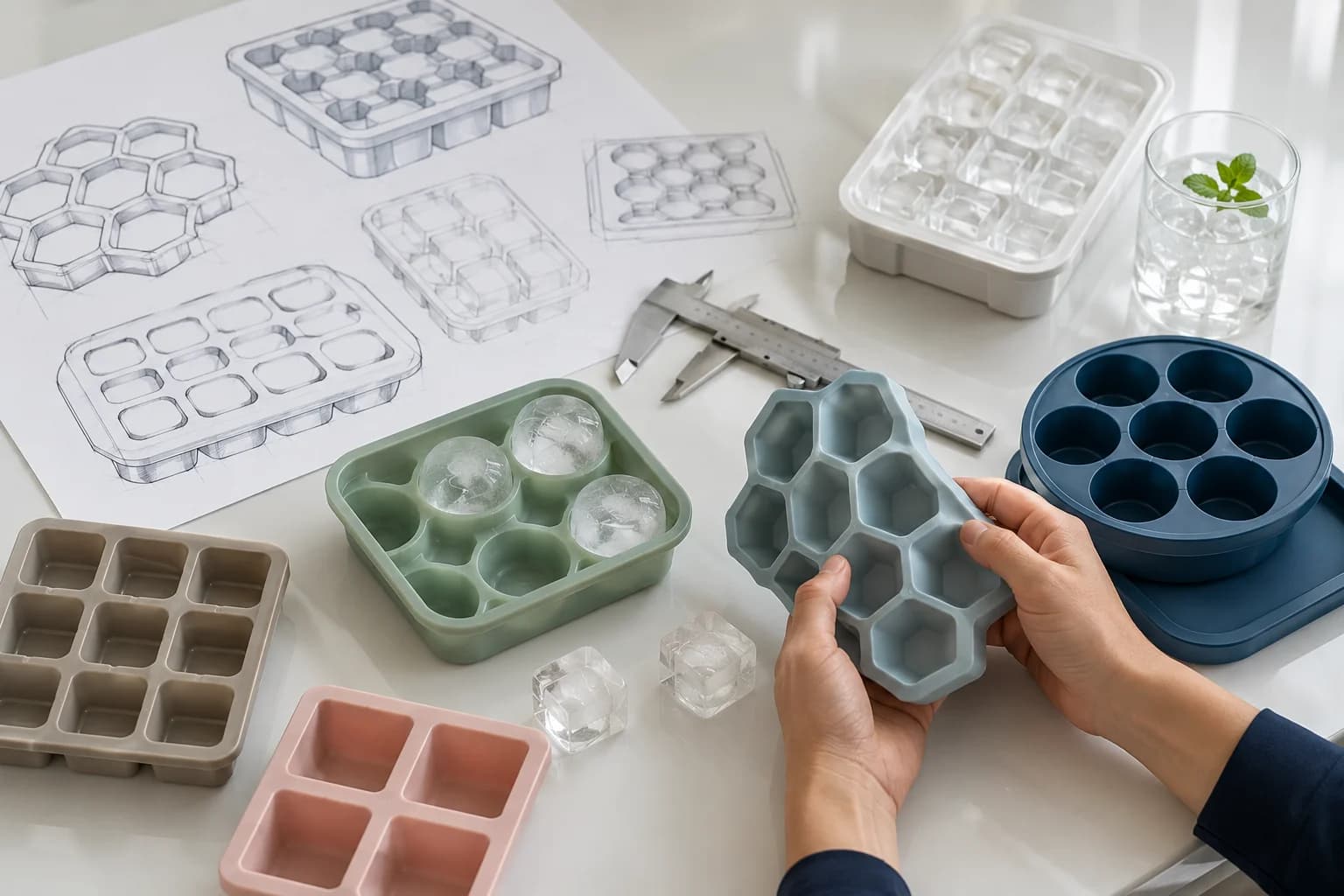
While generally not a safety concern, significant discoloration may indicate material aging and reduced performance.
Before finalizing the specification, use Best Silicone Ice Ball Maker for Perfect Sphere Ice Balls at Home as an additional planning reference.
6. Comparison of Cleaning Methods
| Cleaning Method | Frequency | Effectiveness | Time Required | Best For |
|---|---|---|---|---|
| Simple rinse and wipe | After each use | Low | 1-2 minutes | Quick maintenance between uses |
| Mild soap and water | Daily use | Moderate | 3-5 minutes | Regular cleaning after ice making |
| Vinegar solution | Weekly | High for odors | 10-15 minutes | Eliminating stubborn odors |
| Baking soda paste | Monthly | High for stains | 15-20 minutes | Removing mineral deposits |
| Deep soak | Quarterly | Very high | 30 minutes - overnight | Sanitizing and restoring appearance |
7. FAQ
Q1. How often should I clean my silicone ice ball molds?
A1. For regular use, clean your silicone ice ball molds after each ice-making session. This prevents bacterial growth and maintains ice quality. Implement a deeper cleaning with vinegar or baking soda solutions weekly, and a more thorough sanitizing process monthly. In high-use environments or when making ice for sensitive individuals like children or those with compromised immune systems, increase the frequency of cleaning to ensure optimal hygiene.
Q2. Can I put silicone ice ball molds in the dishwasher?
A2. While many silicone ice ball molds are labeled "dishwasher safe," frequent dishwasher exposure can accelerate material aging due to high heat and harsh detergents. For optimal longevity, hand washing is recommended as the primary cleaning method. If using a dishwasher, place the molds on the top rack away from the heating element and use a gentle cycle with mild detergent. Reserve dishwasher use for occasional deep cleaning rather than regular maintenance.
Q3. How do I remove stubborn stains from my ice ball molds?
A3. For stubborn stains, create a paste using baking soda and water, apply it to the stained areas, and let it sit for 15-30 minutes before gently scrubbing with a soft brush. For mineral deposits, soak the molds in a solution of equal parts white vinegar and water for 1-2 hours. For persistent odors, soak in a diluted lemon juice solution. Always rinse thoroughly after using any cleaning solution to prevent potential taste transfer to future ice balls. Avoid abrasive materials that could scratch or damage the silicone surface.
Q4. What's the expected lifespan of well-maintained silicone ice ball molds?
A4. With proper care and maintenance, high-quality silicone ice ball molds can last 2-3 years or longer. The lifespan depends on factors like the thickness and quality of the silicone, frequency of use, cleaning methods, and storage conditions. Signs that replacement may be needed include significant discoloration, cracks or tears, loss of flexibility, or persistent odors that affect ice quality. Following manufacturer guidelines for care and avoiding harsh chemicals will help maximize the usable lifespan of your silicone ice ball molds.
8. Conclusion
Proper cleaning and maintenance of silicone ice ball molds is essential for ensuring food safety, maintaining ice quality, and extending product longevity. By implementing regular cleaning routines, appropriate drying techniques, and proper storage practices, users can prevent bacterial growth, material degradation, and contamination issues. The environmental benefits of reusable silicone ice ball molds are maximized when products are cared for properly, reducing the need for frequent replacement and minimizing waste.
Understanding the specific characteristics of your silicone ice ball molds and following manufacturer guidelines will help you get the most from your investment. While these molds are designed for durability, they require different care than rigid plastic or metal alternatives. By dedicating a few minutes to proper maintenance after each use, you'll ensure consistent performance and enjoy perfectly formed ice balls for years to come.
Remember that the quality of your ice directly impacts the beverages it chills, making proper mold care an integral part of the overall experience. Whether you're crafting cocktails, chilling non-alcoholic beverages, or simply enjoying a refreshing drink, well-maintained silicone ice ball molds contribute to both safety and enjoyment in every glass.