Key Takeaways
- Distilled water can reduce the minerals that make ice cloudy, but it does not guarantee clear cubes because dissolved air and freezing speed still matter.
- Directional freezing—freezing slowly from one direction while pushing air and impurities to the bottom—is the most reliable home method.
- Flexible silicone trays improve release and support custom shapes, logos, and packaging, but tray material alone will not create clear ice [K1][K3].
- The fastest reliable clear ice usually needs 18–24 hours in a home freezer, depending on container size, water volume, and freezer temperature.
- For commercial or branded ice programs, water treatment, controlled freezing, and verified mold specifications should be planned together [K5].
1. Introduction
Cloudy ice is a small problem with an outsized effect. It dilutes the look of a cocktail, makes iced coffee appear muddy, and signals lower quality in hospitality settings. Most people try one fix first: switch to distilled water. That leads directly to the common question, does distilled water make clear ice? The honest answer is that distilled water helps, but it is only one part of the process.
Clear ice depends on three variables: what is dissolved in the water, how the water freezes, and what kind of tray or mold holds it. If you freeze distilled water quickly in a standard tray, you can still get a cloudy cube. If you freeze ordinary water slowly in a well-designed insulated setup, you can get much clearer ice. This article explains the trade-offs, compares practical tray and freezing methods, and gives you a repeatable process for clearer ice at home or in a small production setting.
2. Does Distilled Water Make Clear Ice? The Short Answer
Distilled water improves clarity because it removes most dissolved minerals, which are one source of cloudiness. However, distilled water still contains dissolved air, and dissolved air is the other major cause of cloudy ice. When water freezes quickly, air bubbles are trapped throughout the cube. When water freezes slowly from one direction, those bubbles and impurities are pushed toward the unfrozen water and can be concentrated at the bottom.
The practical conclusion is simple: distilled water is a useful starting point, not a complete solution. For better results, use distilled water, boil it, let it cool, and then freeze it slowly using a directional method. Boiling reduces dissolved gases, while slow directional freezing gives those remaining gases a chance to escape or concentrate away from the clear portion.
There is also a commercial angle. If you are developing branded ice for bars, hotels, or retail, the mold itself becomes part of the clarity system. Custom silicone ice molds can be specified by cavity design, product shape, size, color, logo, and packaging [K3]. That means you can control not only the water and freezing process but also the final cube format and brand presentation.
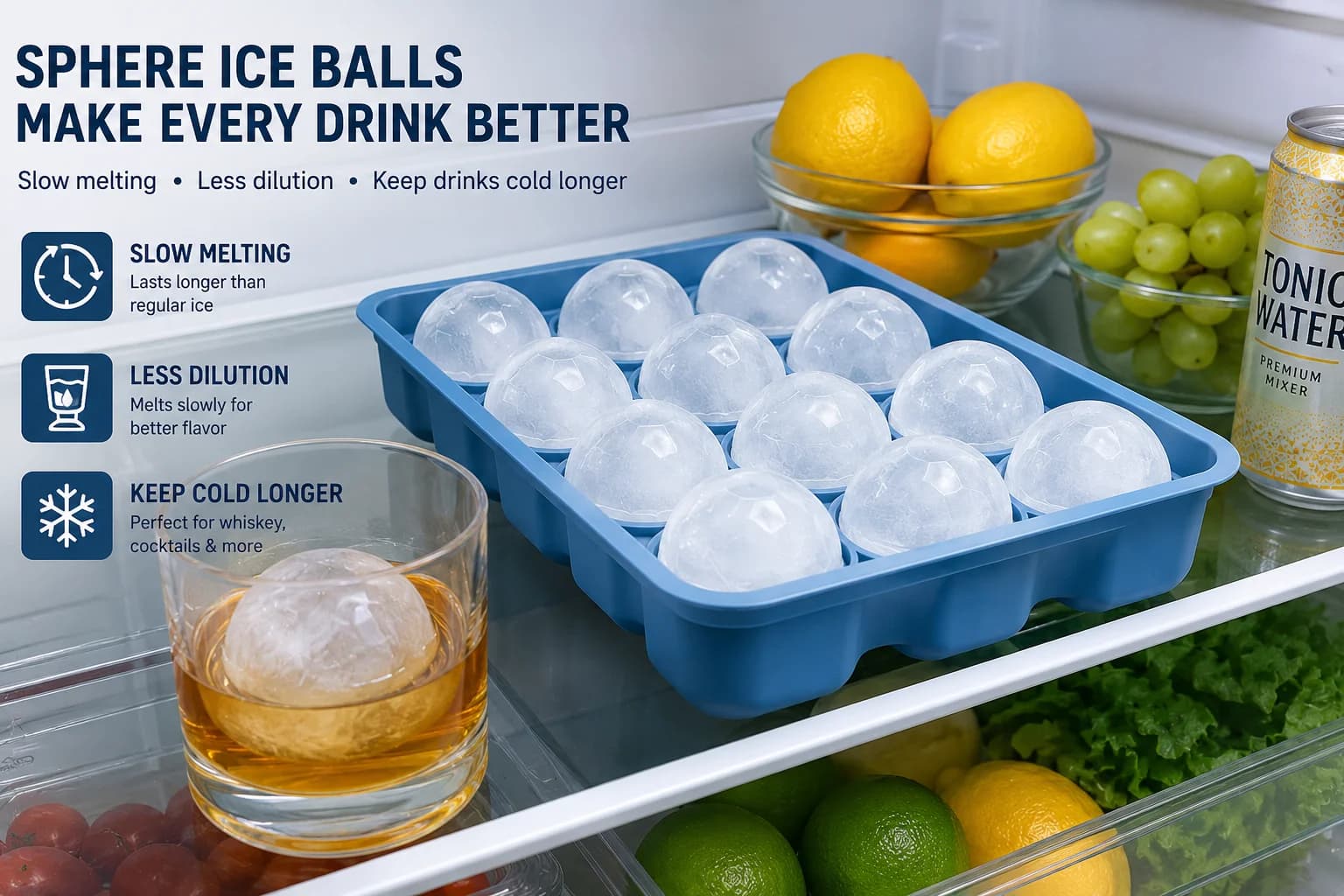
Quick answer: Distilled water can make ice clearer, but it does not make ice clear by itself. It works best when combined with boiling, cooling, and slow directional freezing.
3. Best Trays and Molds for Clear Ice: What Actually Works
Tray design matters more than many people expect. A standard plastic ice cube tray freezes water from all sides at once. The outer edges freeze first, and the center traps air and impurities. That is why standard trays often produce cubes with a cloudy core. Silicone trays are more flexible and easier to release, and they can be produced in custom shapes, but they still need slow freezing to improve clarity.
For home clear ice, the most reliable setup is an insulated cooler with the lid removed or partially open, plus a silicone tray or insert. Cold air reaches the top of the water first, so freezing starts at the surface and moves downward. After 18–24 hours, you remove the block before it is completely frozen, then cut away the cloudy bottom section. This method is slower than a standard tray, but it produces a much clearer result.
Renjia’s silicone product portfolio includes ice block molds, ice cube trays, ice ball trays, and related kitchen and promotional items [K1]. For buyers, this matters because the same manufacturing category can support different ice formats: large blocks for carving, standard cubes for drinks, spheres for whiskey, or custom shapes for events. The key is to match the mold geometry to the freezing method, not just choose the most convenient tray.
| Tray or mold type | Clear ice potential | Best use | Practical note |
|---|---|---|---|
| Standard plastic ice cube tray | Low | Fast everyday ice | Freezes from all sides; traps air in the center |
| Flexible silicone ice tray | Medium | Easy release, custom shapes | Needs slow or directional freezing for clarity [K1][K3] |
| Insulated cooler with silicone insert | High | Home clear ice | Creates top-down freezing; discard the cloudy bottom |
| Dedicated clear ice maker | High | Consistent small-scale production | Higher cost; check capacity, cycle time, and maintenance |
4. Freezing Tips That Actually Work: Temperature, Time, and Placement
The fastest way to get clear ice is not to freeze faster. It is to freeze more slowly and more directionally. A home freezer often sits near -18°C (0°F), which is cold enough to freeze a small tray in a few hours. That speed is convenient for normal ice, but it works against clarity. The slower the freeze, the more time dissolved air has to move away from the freezing front.
Use these steps for a more reliable result:
- Start with low-mineral water. Distilled water is a good base because it reduces mineral cloudiness.
- Boil and cool the water. Boiling drives off some dissolved gases. Let the water cool before pouring it into the mold.
- Use an insulated container. A small cooler works well because it slows heat transfer and encourages top-down freezing.
- Avoid quick-freeze settings. Fast freezing traps air. If your freezer has a fast-freeze mode, turn it off for clear ice.
- Freeze for 18–24 hours, then check. Remove the ice before the entire block is solid. The top portion is usually clearer.
- Cut away the cloudy section. Use a knife or ice pick to separate the clear ice from the cloudy bottom. Work carefully and let the ice temper slightly first.
- Store clear ice properly. Keep it in a sealed bag or container in the freezer to prevent surface frost and odors.
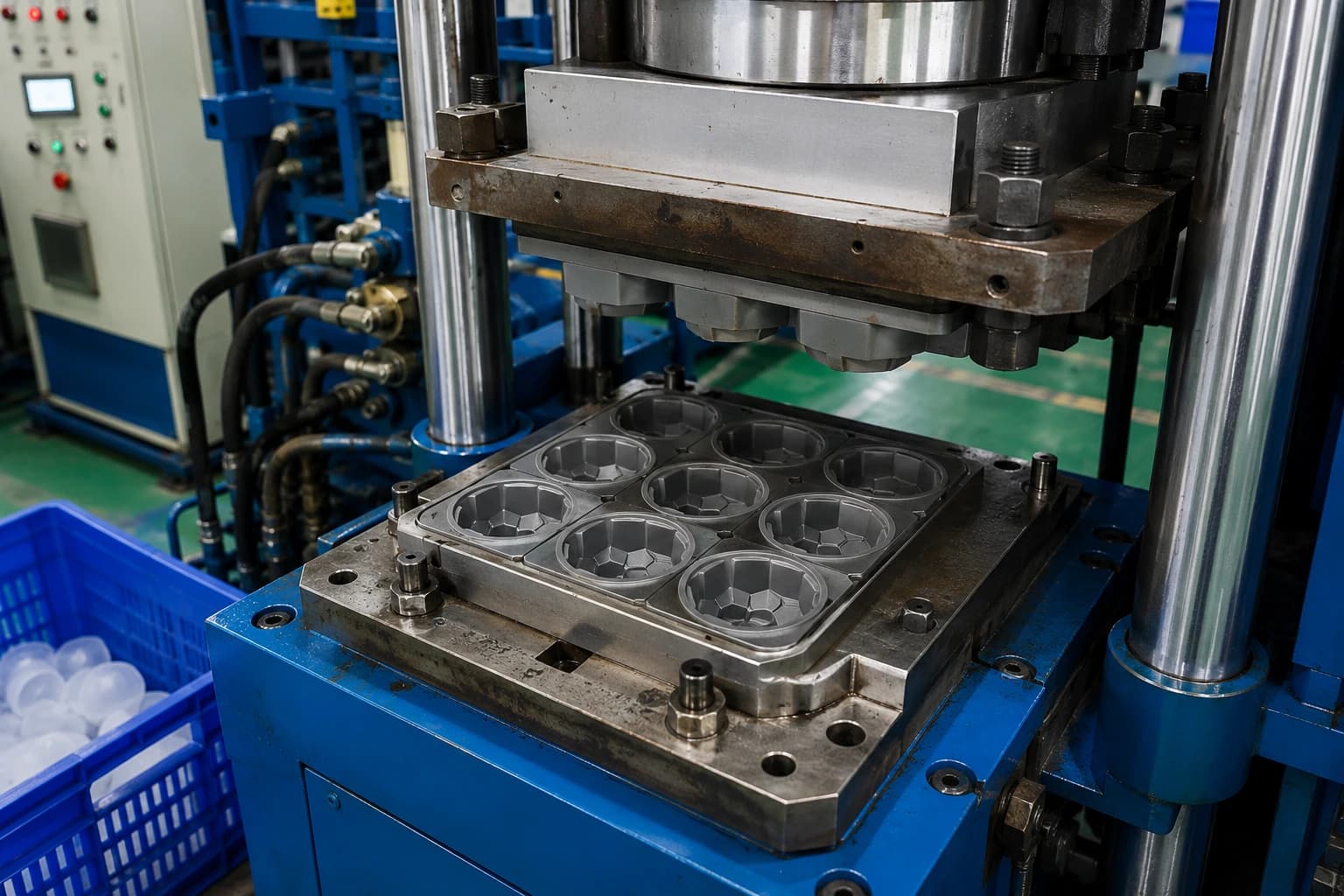
For buyers scaling a custom ice mold project, silicone OEM/ODM support can help align tooling, sampling, and lead-time planning before production begins [K2][K5]. That is especially useful when the ice format is part of a brand experience, such as a logo cube for a hotel or a custom sphere for a beverage launch. The earlier the mold specification is locked, the fewer surprises appear during sampling and inspection.
5. Key Comparison: Water Types and Freezing Methods
Not all water behaves the same way. The table below summarizes the trade-offs between common water choices. It is not a guarantee of clarity, but it helps you choose a starting point.
| Water type | Mineral content | Dissolved air | Clear ice potential | Practical note |
|---|---|---|---|---|
| Tap water | High and variable | High | Low | Minerals and air both contribute to cloudiness |
| Filtered water | Lower than tap | Still present | Medium | Better than tap, but not a complete fix |
| Distilled water | Very low | Still present | Medium to high | Helps with minerals; needs slow freezing |
| Boiled and cooled distilled water | Very low | Reduced | High | Best home starting point when combined with directional freezing |
Freezing method matters just as much as water type. A standard tray is fast but cloudy. A silicone tray is convenient but still needs slow freezing. An insulated cooler is slower but much better for clarity. A dedicated clear ice maker is the most consistent option for repeated production, but it costs more and requires maintenance.
| Method | Typical time | Clarity | Best for |
|---|---|---|---|
| Standard plastic tray | 3–4 hours | Low | Quick everyday ice |
| Flexible silicone tray | 4–6 hours | Medium | Easy release and custom shapes |
| Insulated cooler | 18–24 hours | High | Home clear ice and small batches |
| Dedicated clear ice maker | Continuous cycles | High | Consistent commercial-style output |
One boundary condition is worth stating clearly: “fast” and “perfectly clear” pull in opposite directions. If you need ice in two hours, you can still improve clarity with distilled water and a covered tray, but you should not expect a completely transparent cube. If clarity is the priority, plan for a slower freeze. For commercial buyers, market-specific compliance planning and documentation should also be verified before making public claims about materials or performance [K5].
6. FAQ

Q1. Does distilled water make clear ice on its own?
No. Distilled water removes many dissolved minerals, which helps, but it still contains dissolved air. Clear ice also depends on slow, directional freezing. Use distilled water as a base, then boil and cool it before freezing slowly.
Q2. How fast can I get clear ice cubes?
For a reliable home result, expect 18–24 hours using an insulated cooler or directional freezing setup. Faster methods can produce ice in a few hours, but the cubes are more likely to be cloudy in the center.
Q3. Are silicone ice trays better than plastic for clear ice?
Silicone trays are better for release, flexibility, and custom shapes. They can also support logo, color, and packaging customization [K3]. However, silicone alone does not create clear ice. You still need low-mineral water and a slow freezing method.
Q4. Why is my ice still cloudy after using distilled water?
The most common reasons are fast freezing, trapped dissolved air, and freezing the entire block solid. Try boiling and cooling the water, using an insulated container, and removing the ice before it is completely frozen so you can cut away the cloudy bottom.
7. Conclusion
If you want clearer ice, treat distilled water as one part of a larger process. It reduces mineral cloudiness, but it does not remove dissolved air or control freezing speed. The most practical home approach is boiled and cooled distilled water, a flexible silicone tray or insert, and an insulated directional freezing setup. That combination usually produces better clarity than simply swapping water types.
For bars, hotels, beverage brands, and promotional programs, the decision is broader. The mold format, cavity design, branding, packaging, and production planning all affect the final result. Renjia combines custom silicone product development with responsive OEM/ODM support and evidence-aware compliance planning to help international buyers move from idea and sampling to dependable production [K5]. Start with a clear goal: everyday ice, premium cocktail ice, or branded custom ice. Then choose the water, tray, and freezing method that match that goal rather than expecting one variable to solve the entire problem.