Cold-plunge therapy has grown rapidly among wellness-focused consumers, and brands in this space need reliable, repeatable ways to produce large, slow-melting ice blocks. One Australian cold-plunge brand approached Renjia with a clear requirement: a custom silicone mold that could produce large ice blocks at commercial volume, withstand repeated freezing and demolding cycles, and arrive ready for distribution.
This case study explains how we moved the project from product concept to a 20,000-piece production run within a 5–7 week window, with reinforced construction, sampling, individual packaging, and bulk delivery.
Project Summary
| Item | Detail |
|---|---|
| Product category | Custom silicone ice mold [K1] |
| Customer profile | Australian cold-plunge brand (name confidential) |
| Product type | Reinforced large ice block mold |
| Order quantity | 20,000 pcs |
| Total project window | 5–7 weeks |
| Key engineering focus | Reinforced structure for repeated use |
| Sampling | Custom sampling completed before mass production |
| Packaging | Individual packaging |
| Delivery | Bulk delivery |
Customer Objective
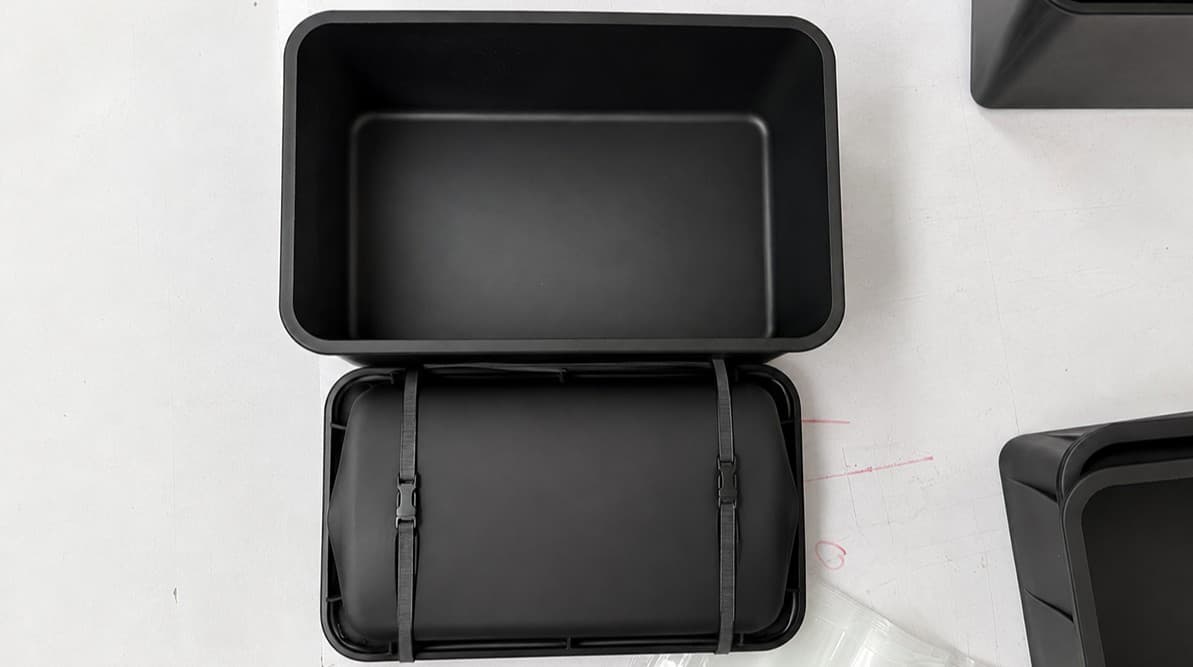
The customer was launching an ice-related accessory for cold-water plunging and needed a mold that could form large ice blocks suitable for plunge tubs and recovery setups. Because the product would be sold through their brand channels, they needed more than a generic mold: they required custom cavity design, product shape, sizing, and packaging that matched their product line [K1].
The order volume was substantial — 20,000 pieces — so the project had to balance custom design with production efficiency. The brand also operated with a specific launch schedule, which made the overall 5–7 week timeline a core commercial requirement.
Main Challenge: Engineering a Reinforced Large Mold
Large ice molds face different demands than small ice cube trays. When filled with water and frozen, the weight of the block and the expansion forces during freezing place stress on the mold walls and cavity base. Over repeated use, a thin or poorly structured mold can deform, tear at the corners, or become difficult to demold.
For a related manufacturing reference, review custom silicone ice mold manufacturing.
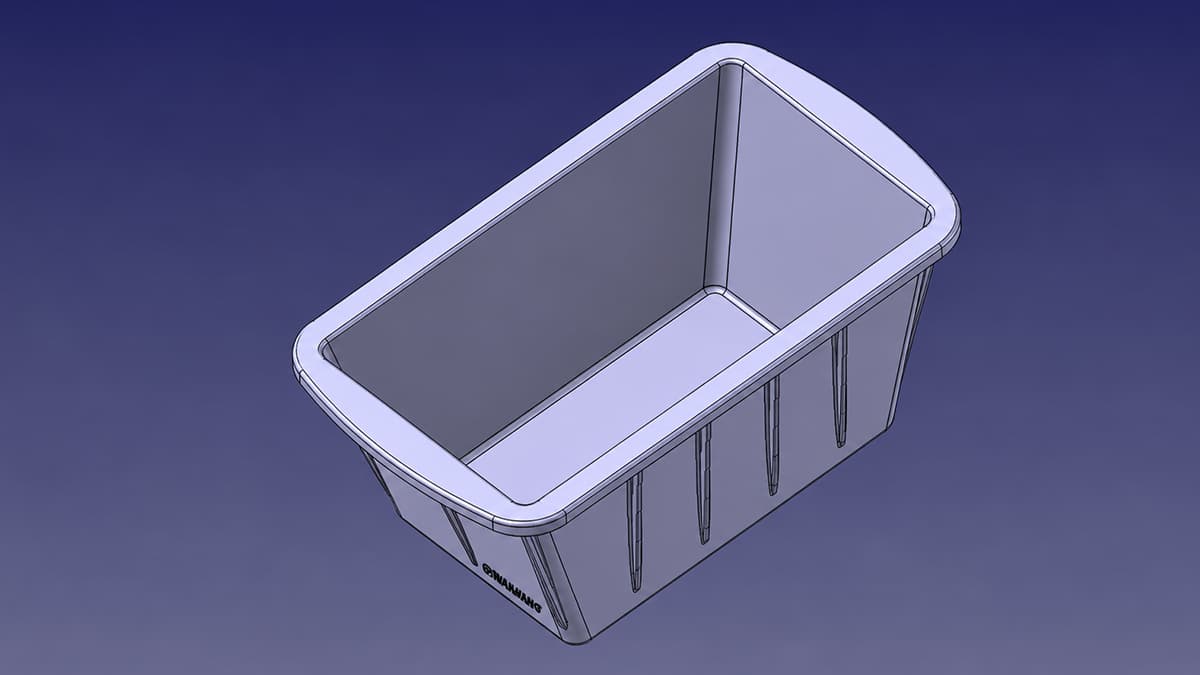
For this project, the main engineering challenge was the reinforced structure. The mold needed to maintain its shape and integrity through many freeze-and-release cycles while remaining flexible enough for the user to remove a solid, large ice block easily.
Renjia’s custom silicone ice mold capability covers cavity design, product shape, size, color, logo, and packaging [K1]. In this case, the reinforcement was integrated into the cavity design and wall structure during the engineering phase. The goal was to create a mold that was durable at scale without making the silicone too rigid to demold — a balance that requires careful design review before tooling begins.
Development Process
Design Review and Tooling
Every custom silicone mold project at Renjia begins with a design-file review. The mold fee is quoted only after the customer’s design files and project requirements are evaluated [K3]. In this project, the customer provided their intended cavity dimensions and configuration, and our engineering team reviewed the design for manufacturability — especially around the reinforced areas.
After the 3D design was confirmed, the next stage was tooling. Under Renjia’s standard commercial terms, mold lead time is typically about 15 working days after the 3D design is confirmed [K3]. For this project, tooling planning was built into the overall production schedule to ensure the customer’s timeline remained intact.
Material Selection
The mold was produced in food-grade silicone, which is odorless and designed for contact with ice and water. Renjia’s verified product specifications for silicone ice molds include food-contact-grade material with temperature resistance from -40°C to 240°C (-40°F to 464°F) [K5]. This broad temperature range is important for a large ice block mold because it must handle both deep-freeze temperatures and warm-water rinsing during cleaning and demolding.
Sampling and Approval
Sampling is a standard step in custom silicone mold development, and it was a verified part of this project. The customer needed to confirm that the reinforced large mold performed as intended before committing to the full production run.
Renjia’s custom-sample lead time is typically 7–10 working days after design and specification confirmation [K3]. Sample availability and charges are confirmed case by case; free samples may be available depending on eligibility, freight, and the specific custom-sample requirements [K3]. For this project, the sampling round allowed the customer to verify the mold’s cavity performance, the ease of demolding a large ice block, and the overall feel of the silicone material.
For additional context on this decision, see Large Ice Block Molds: Size, Freezing Time, and Handling Considerations.
The reinforced structure was the key element reviewed during sampling. The customer needed confidence that the mold would survive repeated use with a heavy ice block, and the sample provided a physical confirmation of that design decision before mass production began.
Production and Quality Checks
After sample approval, the project moved into mass production. Renjia’s standard mass-production lead time is typically 15–20 working days after the order and production details are confirmed [K3]. Verified order minimums for custom projects are typically around 500 pieces, with the final MOQ varying by design, tooling, packaging, and production scheduling [K3]. The 20,000-piece order was therefore well within Renjia’s production capability.
During production, quality inspection is one of the key topics supported by Renjia’s custom silicone mold process [K1]. For a reinforced large ice block mold, the inspection focus includes:
- Structural integrity of the reinforced sections
- Consistency of cavity size and shape across production batches
- Surface finish and demolding performance
- Uniformity of the silicone material
The production run was organized to align with the customer’s packaging and delivery requirements, ensuring that the completed molds moved efficiently from the production line to the packing stage.
Packaging and Delivery
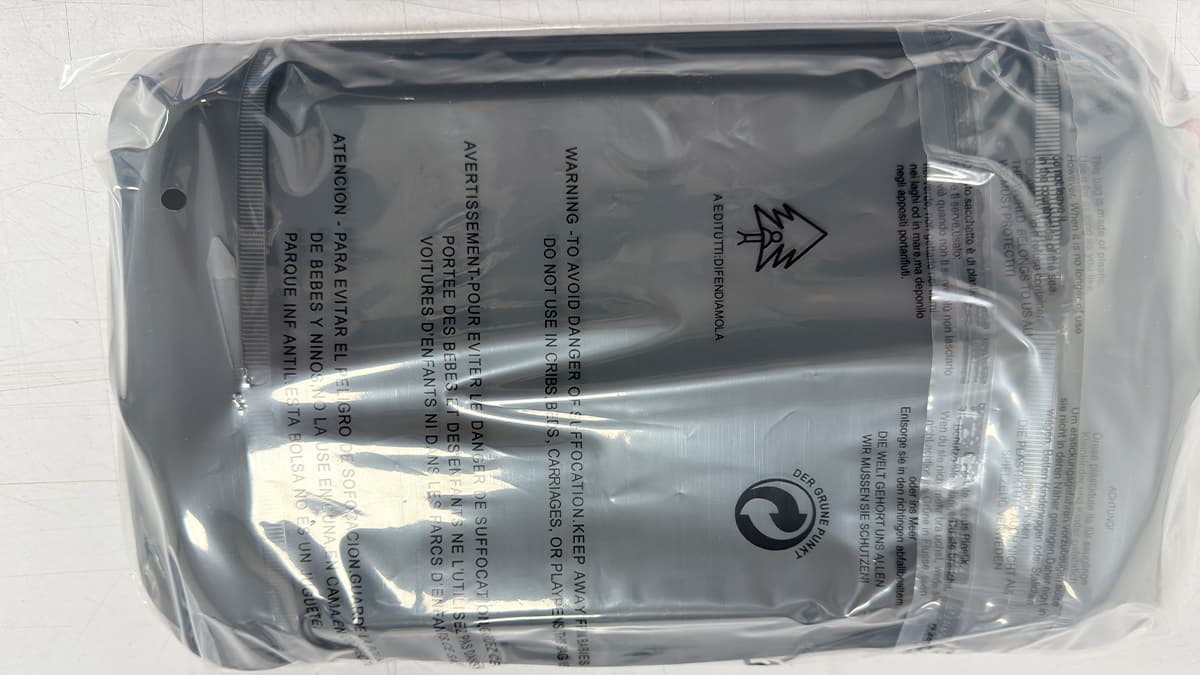
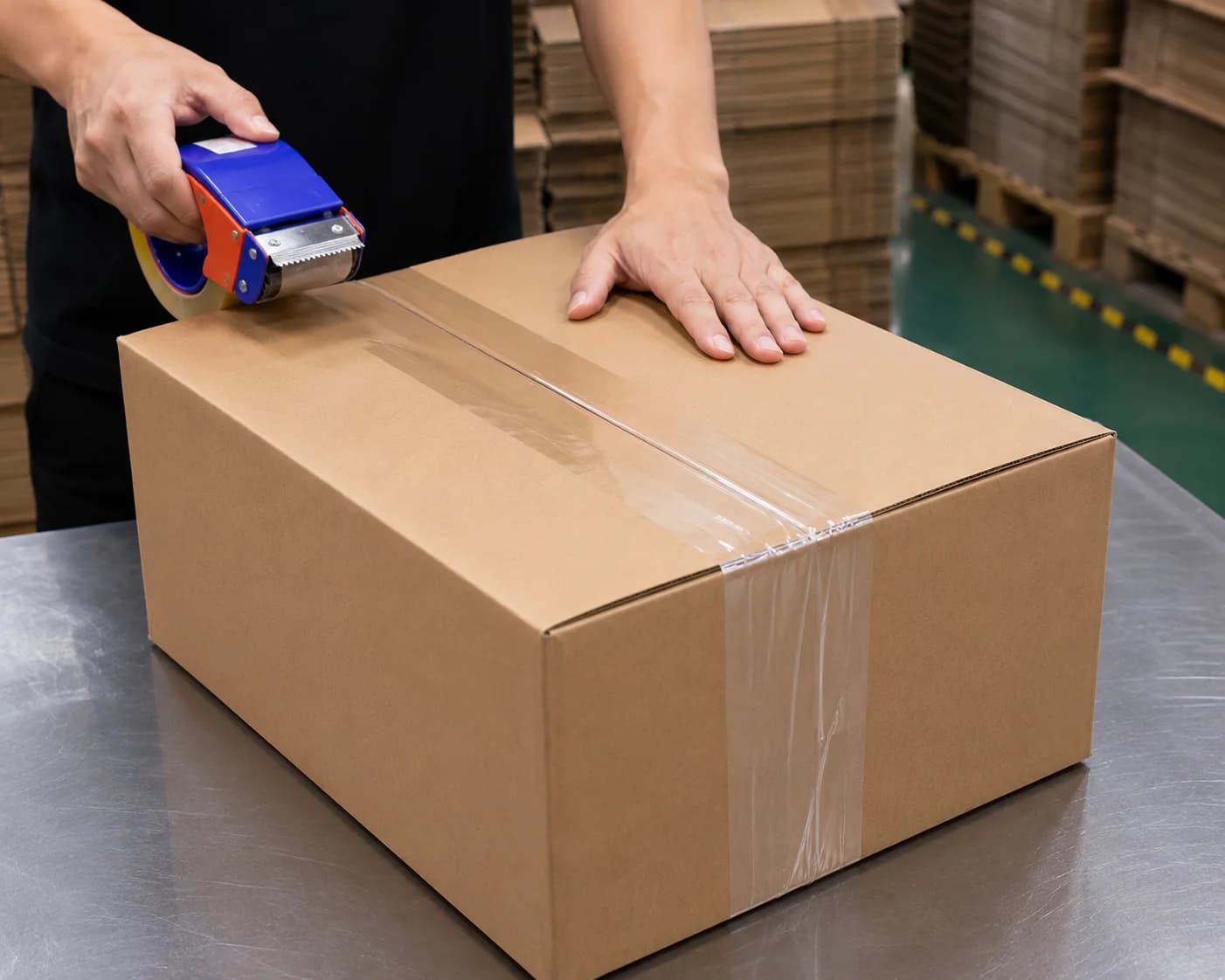
The customer required individual packaging for each mold. Custom packaging is a standard part of Renjia’s silicone ice mold customization options [K5], and it is typically treated as part of the overall product specification alongside custom colors, sizes, and shapes [K1].
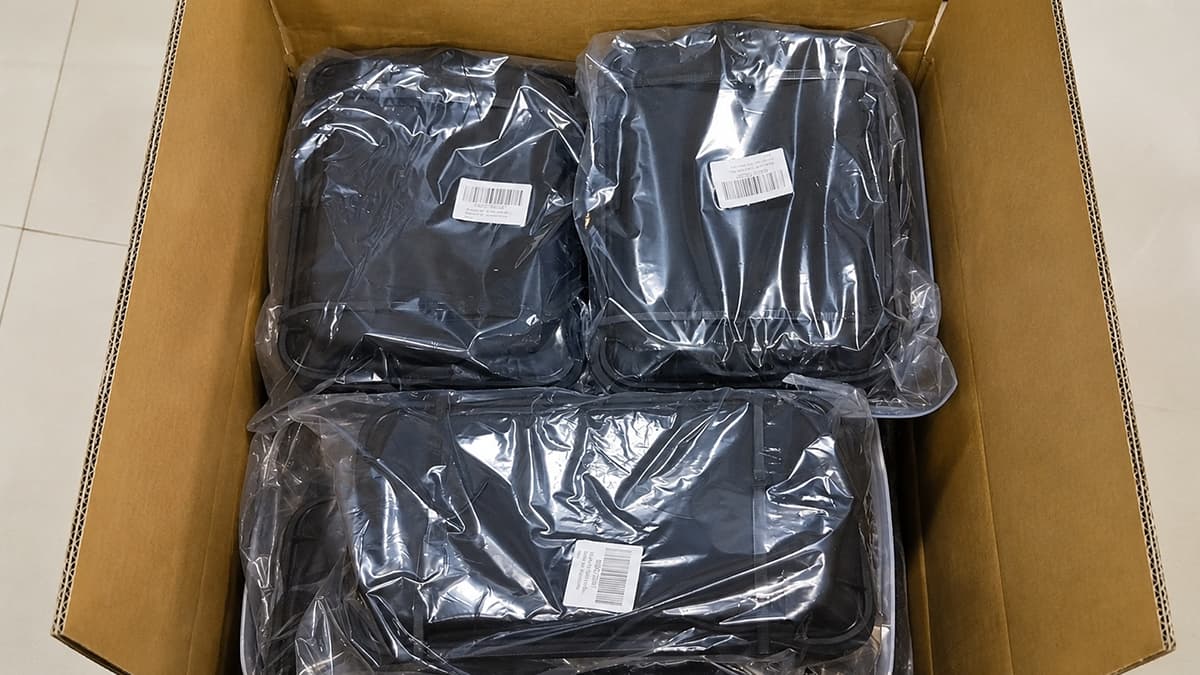
In this project, each of the 20,000 molds was individually packed, which protected the product during transit and also supported the brand’s retail-ready presentation. The individually packed units were then consolidated for bulk delivery.
Before finalizing the specification, use Custom Ice Mold Wall Thickness: Balancing Flexibility, Stability, and Cost as an additional planning reference.
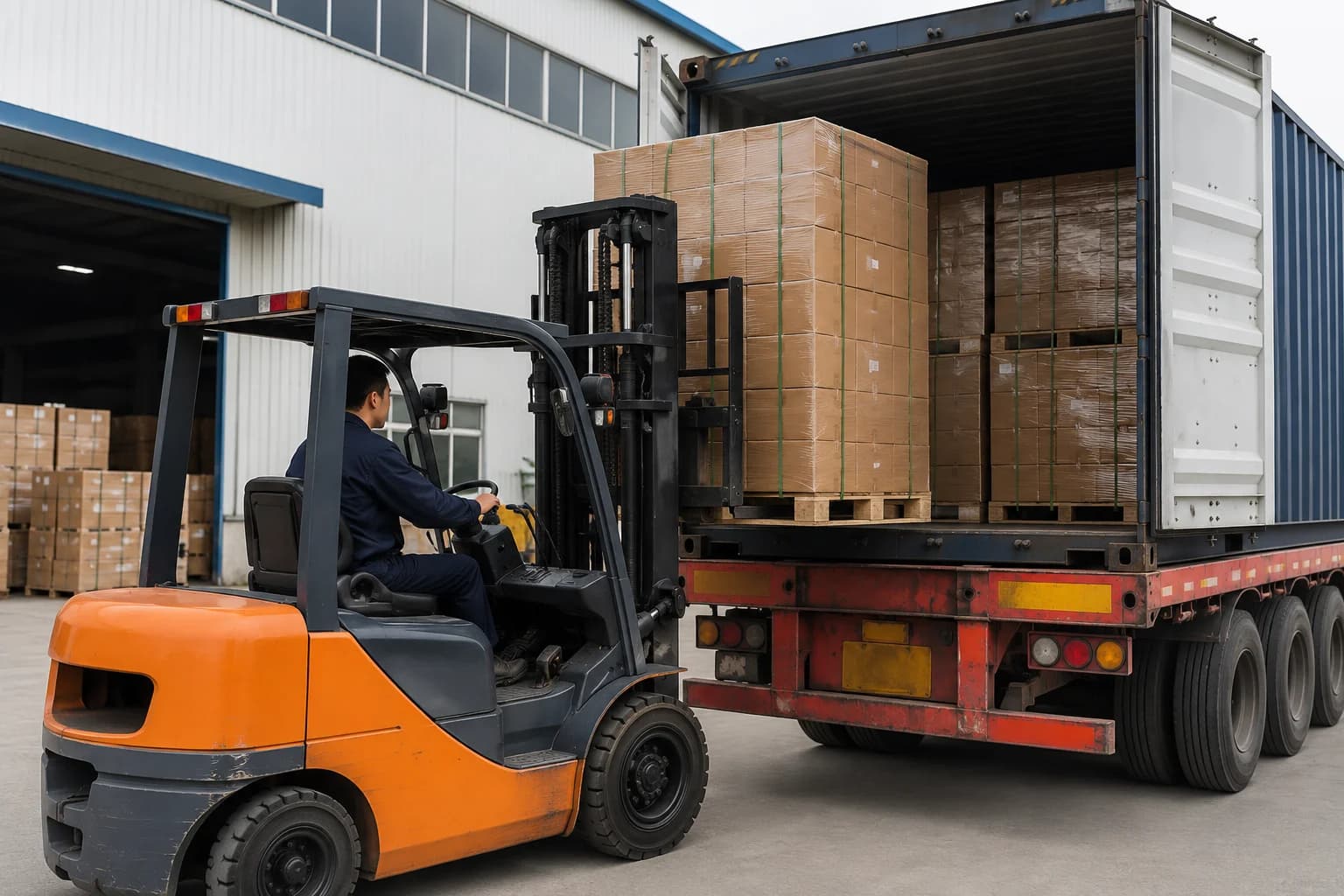
Bulk delivery was an important logistical requirement for this buyer. Arranging shipment as a single bulk consignment rather than multiple small parcels helped the customer streamline receiving and warehouse handling in Australia. The combination of individual packaging with bulk delivery gave the brand both product protection and supply-chain efficiency.
Result
Within the verified 5–7 week project window, Renjia delivered 20,000 reinforced large ice block molds to the Australian cold-plunge brand. The project included the structural reinforcement the brand required, custom sampling before mass production, individual packaging for each unit, and final bulk delivery.
For the buyer, this meant:
- A custom large ice block mold that matched their product positioning
- Reinforced construction designed to handle repeated freezing and demolding
- A production-scaled order of 20,000 pieces completed in a competitive timeline
- Individual packaging that supported their brand presentation
- Bulk delivery that simplified logistics
The project outcomes gave the brand a production-ready product without compromising on the custom details that matter for commercial differentiation.
Buyer Lessons for Custom Silicone Ice Mold Projects
For brands planning a similar custom silicone ice mold program, this case highlights several practical considerations:
- Start with complete design files. Cavity design, shape, size, and packaging requirements all affect the engineering review and the mold fee quote [K3]. The more complete your design specification, the faster the review process.
- Confirm sample policy early. Custom-sample lead times are usually 7–10 working days, and sample charges or freight terms are confirmed case by case [K3]. Build sampling into your overall schedule rather than treating it as optional.
- Understand that MOQ depends on design. While 500 pieces is the typical custom-order starting point, the final MOQ varies based on tooling, packaging, and production requirements [K3]. Large-volume orders can also affect your lead-time planning.
- Plan for tooling time. Mold production typically takes about 15 working days after 3D design confirmation [K3]. If you have a fixed launch date, the design-confirmation stage is where delays are most easily avoided.
- Ask about packaging and delivery formats. Custom packaging is available [K5], and as this project shows, individual packaging combined with bulk delivery can serve both brand presentation and logistics efficiency.
Ask Renjia About Your Custom Silicone Ice Mold Project
If you are developing a branded ice mold, a large-format ice block mold, or any custom silicone product, Renjia can support you from design review through sampling, production, packaging, and delivery. Visit 51renjia.com to discuss your design files and project requirements.