Key Takeaways
- Custom color is a standard customization option for silicone ice molds, but a Pantone match is achieved through formulation, sampling, and approval — not by entering a code into a machine. [K1]
- A realistic workflow includes a color brief, a molded swatch or sample, a lighting-controlled approval, and a retained reference sample for production.
- Screen images and printed Pantone books are references only; the final match must be judged on the actual food-grade silicone material.
- Color development interacts with project planning: confirm MOQ, tooling, sampling rounds, and lead time before finalizing your sourcing plan. [K2]
- Work with a silicone OEM/ODM that supports custom development and treats sampling as part of a structured process rather than a one-time courtesy. [K3]
1. Introduction
Buyers of custom color silicone ice trays often start with a strong visual idea: a brand color, a Pantone code, and a product that will look right on a kitchen shelf, a bar cart, or in product photography. The reality of manufacturing, however, is more nuanced. Color on a screen is light; color in silicone is a mixture of pigments, base material, and molding conditions. Getting these to line up requires expectation-setting, clear communication, and a repeatable approval process.
This article explains what buyers should actually expect when requesting Pantone color matching for a custom color silicone ice tray: how the process works, what to prepare in advance, where mismatches usually happen, and how to keep a project on schedule. It is written for brand owners, procurement teams, and product developers who want to move from a color idea to a producible, food-grade silicone product without avoidable delays.
2. Why Color Matching Is a Development Step, Not a Single Request
Core conclusion: On a custom silicone ice mold, color is one of several typical customization options — alongside cavity design, product shape, size, logo, and packaging — and it deserves the same planning attention as the mold itself. [K1]
Silicone ice trays are not painted after production. The color is mixed into the food-grade silicone material before molding, which means a Pantone match must be formulated, tested, and validated in the actual material. Publicly verified specifications for such products are straightforward: silicone material, food-grade, odorless, with temperature resistance from -40°C to 240°C (-40°F to 464°F). [K4] But a color match adds a second layer of requirements: any pigments or colorants used must be suitable for a food-contact product, and their interaction with the silicone base must be confirmed by a physical sample, not assumed.
Why this matters: Because the color runs through the entire tray rather than sitting on the surface, small changes in pigment load, molding temperature, or surface texture can create a visible difference between a printed Pantone chip and the final product. This is normal. The job of a buyer is not to eliminate the gap entirely, but to manage it through a clear sampling and approval process.
For a related manufacturing reference, review custom silicone ice mold manufacturing.
Consider a common scenario: a beverage brand wants a tray that echoes the signature green of its logo. The first molded sample may be close but slightly warmer than the brand standard. That is not a failure; it is the expected result of translating a color reference into a new material. The fix comes from a second formulation round, not from a phone call demanding a "perfect duplicate."
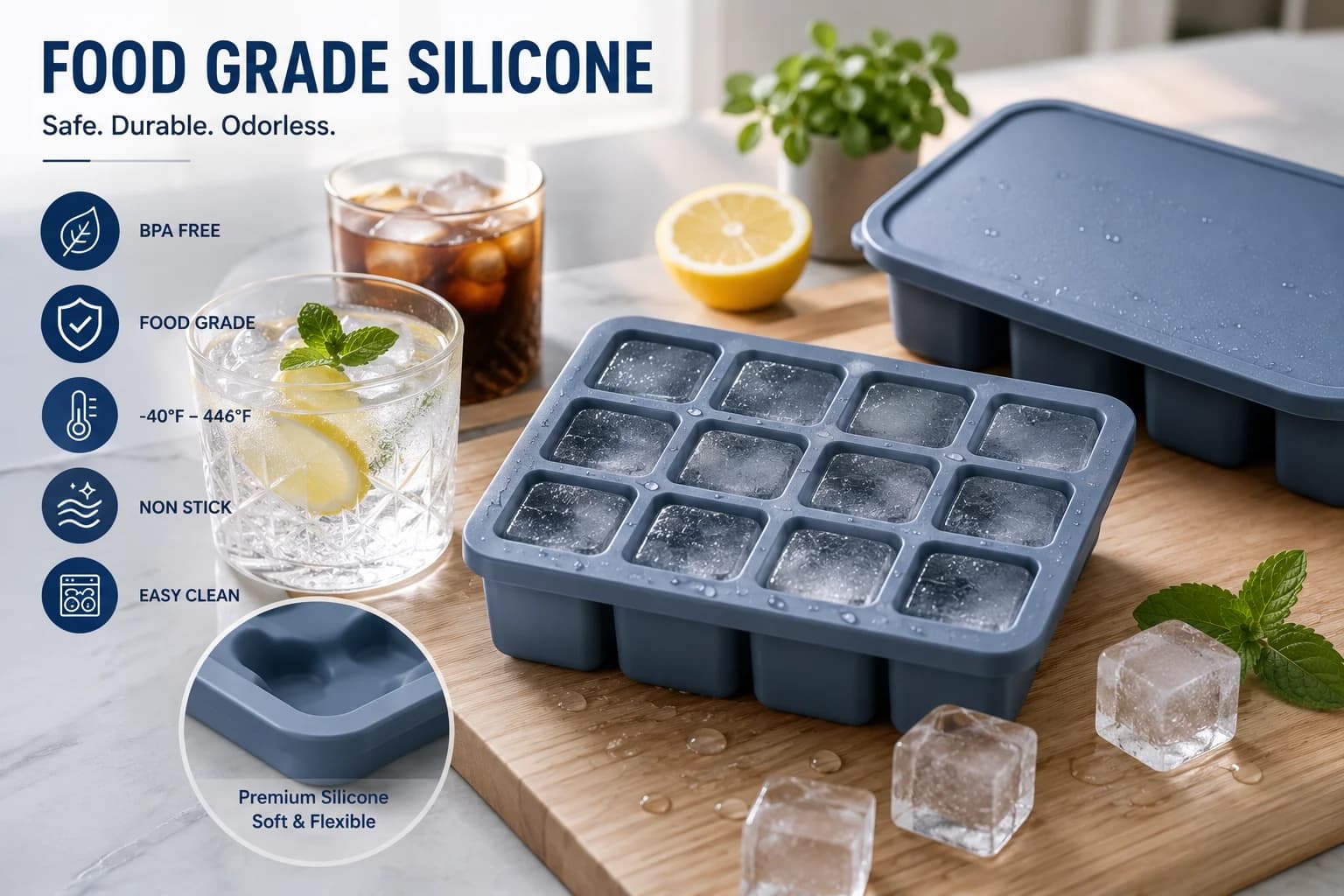
Practical recommendation: When you request a custom color silicone ice tray, ask for the color to be evaluated on a molded chip made from the same material and surface finish as the final product. A flat ink swatch or a screen rendering is not a reliable benchmark.
3. How Pantone Color Matching Works in Practice
Core conclusion: Pantone color matching for silicone ice trays follows a repeatable sequence: brief, formulation, swatch or sample, approval, production, and inspection. If you plan for this sequence, the process feels controlled rather than chaotic.
A typical workflow looks like this:
- Color brief. The buyer provides a Pantone reference code, a physical color chip or product reference, and context such as brand logo, packaging, or design intent.
- Material formulation. The manufacturer selects food-grade pigments and a masterbatch formula suitable for the silicone grade being used.
- Swatch or sample. The manufacturer produces a small molded color chip or a pre-production sample of the tray for evaluation. [K2]
- Approval. The buyer reviews the sample under standardized lighting, for example daylight simulation, and agrees on an acceptable visual match.
- Production benchmark. The approved sample is retained as the master reference for mass production.
- Pre-shipment inspection. Final products are checked against the approved sample, including color, along with other quality criteria. [K2]
What can go wrong: The most common issues come from skipped steps. A buyer who approves a color from an uncalibrated photo, or a manufacturer who starts production before a molded sample is approved, creates risk for both sides. Color can also drift slightly between batches, which is why the retained reference sample is not optional.
Practical recommendation: Ask your manufacturer to define the sampling path at the very start of the project. In custom silicone mold development, the standard project questions include tooling, sampling, MOQ, and lead-time planning. [K2] Add one more: "How many color iterations should we budget for?" A manufacturer with a structured process will give you a straight answer; a vague answer is a warning sign.
4. What Buyers Should Prepare Before Requesting a Custom Color
Core conclusion: Good preparation on the buyer side reduces the number of sampling rounds and lowers the chance of approval delays.
For additional context on this decision, see Private-Label Ice Cube Trays: A Buyer’s Checklist for Product, Packaging, and Compliance.
Before you send a Pantone code to a silicone OEM/ODM, prepare the following:
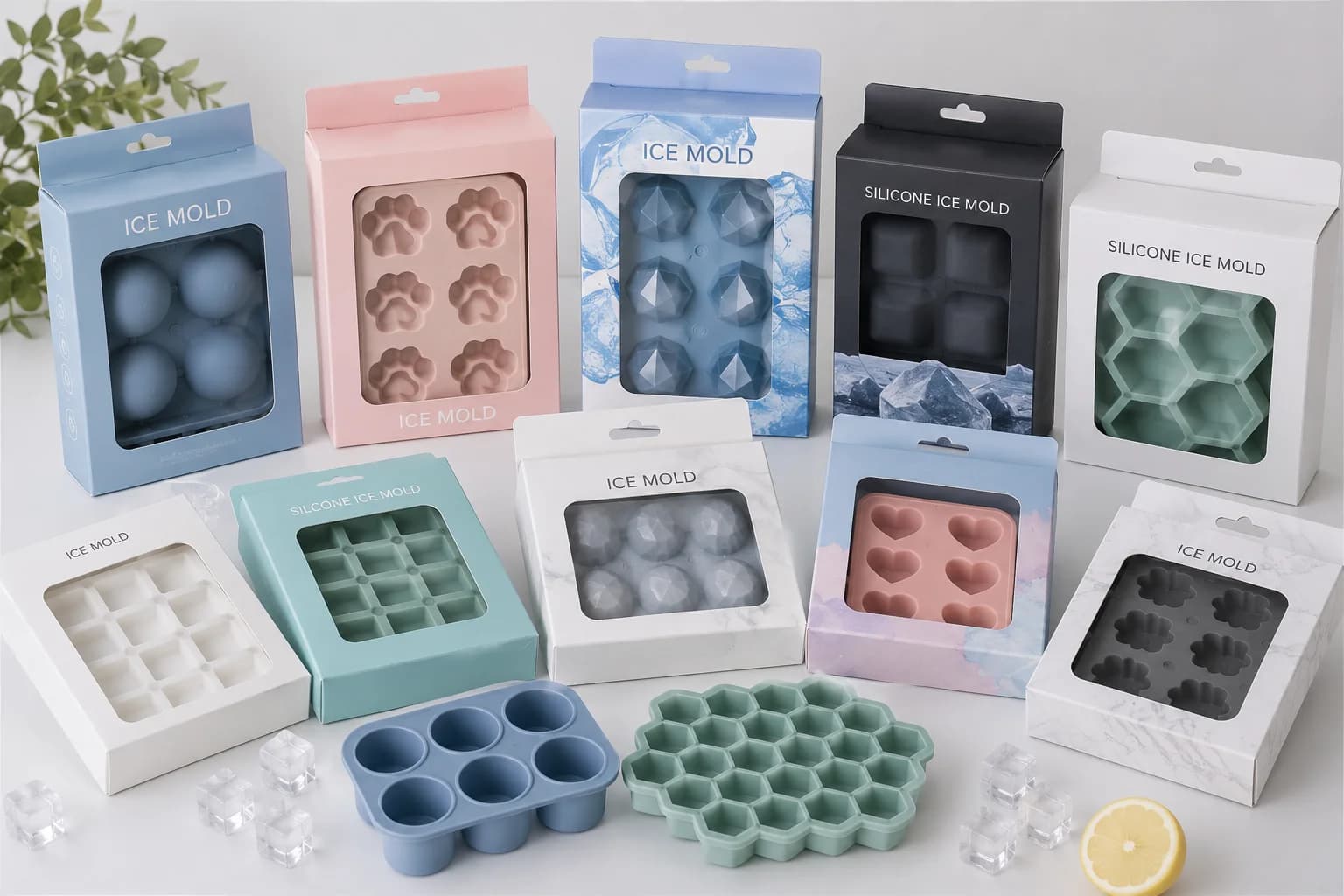
- A Pantone reference code plus a physical reference. If you have a printed chip, a piece of plastic from a previous product, or a brand-standard swatch, send it. Digital codes are a starting point, not a complete specification.
- Use-case context. Will the color be used for the tray body only, or must it also coordinate with a logo, a printed box, or an insert? The answer changes the process, because silicone, paper, and film interpret the same Pantone code differently.
- Acceptance criteria. Decide what "good enough" means. For most products, a close visual match on the actual molded part is the right standard. For strict brand programs, you may need to define a tolerance range with the manufacturer.
- Compliance expectations. For food-contact silicone products, the material and any colorants used must be suitable for the intended use. The verified product specification confirms food-grade, odorless silicone, [K4] but ingredient-level details should be confirmed with the manufacturer for your specific market.
Also confirm the project-level constraints early: MOQ, tooling costs, sampling lead time, and production lead time. [K2] Color formulation is an additional development step, not an automatic part of the mold. Buyers who ask these questions before requesting a quote receive more realistic timelines. And because manufacturer portfolios change, verify current availability, material composition, dimensions, certifications, MOQ, and lead time before publishing a product page or committing to a quotation. [K5]
Practical recommendation: Treat the color brief as part of your overall design-file preparation. The same discipline used for cavity design, shape, size, and logo applies to color. [K1] A complete brief is the cheapest investment you can make in the entire project.
5. Key Comparison: Pantone Color Matching Checklist for Buyers
The table below summarizes what buyers should do at each stage of a custom color silicone ice tray project, and what they should expect from the manufacturer.
Before finalizing the specification, use Custom Ice Mold Packaging: Preventing Deformation During Storage and Shipping as an additional planning reference.
| Stage | Buyer action | What to expect from the manufacturer |
|---|---|---|
| Color brief | Provide Pantone code, physical reference, and use-case context | Confirmation that the color can be evaluated on food-grade silicone |
| Formulation | Share brand tolerances and compliance needs | A pigment and masterbatch plan suitable for food-contact silicone [K4] |
| Sampling | Review molded swatches under controlled lighting | A molded chip or tray sample, not only a printed swatch [K2] |
| Approval | Approve in writing; retain a reference sample | A clear statement of the approved reference and batch limits |
| Production | Avoid changing the color reference mid-production | Production controlled against the approved sample |
| Inspection | Include color in your pre-shipment inspection checklist | Color checks performed as part of quality inspection [K2] |
A second comparison is useful when deciding how to brief the manufacturer:
| Briefing method | Reliability | Notes |
|---|---|---|
| Pantone code only | Low to medium | Good starting point, but screens and printed books vary |
| Pantone code + physical chip | Medium to high | The chip gives the formulator a concrete target |
| Pantone code + chip + approved molded sample | High | The molded sample becomes the production benchmark |
6. FAQ
Q1. Can every Pantone color be matched on a silicone ice tray?
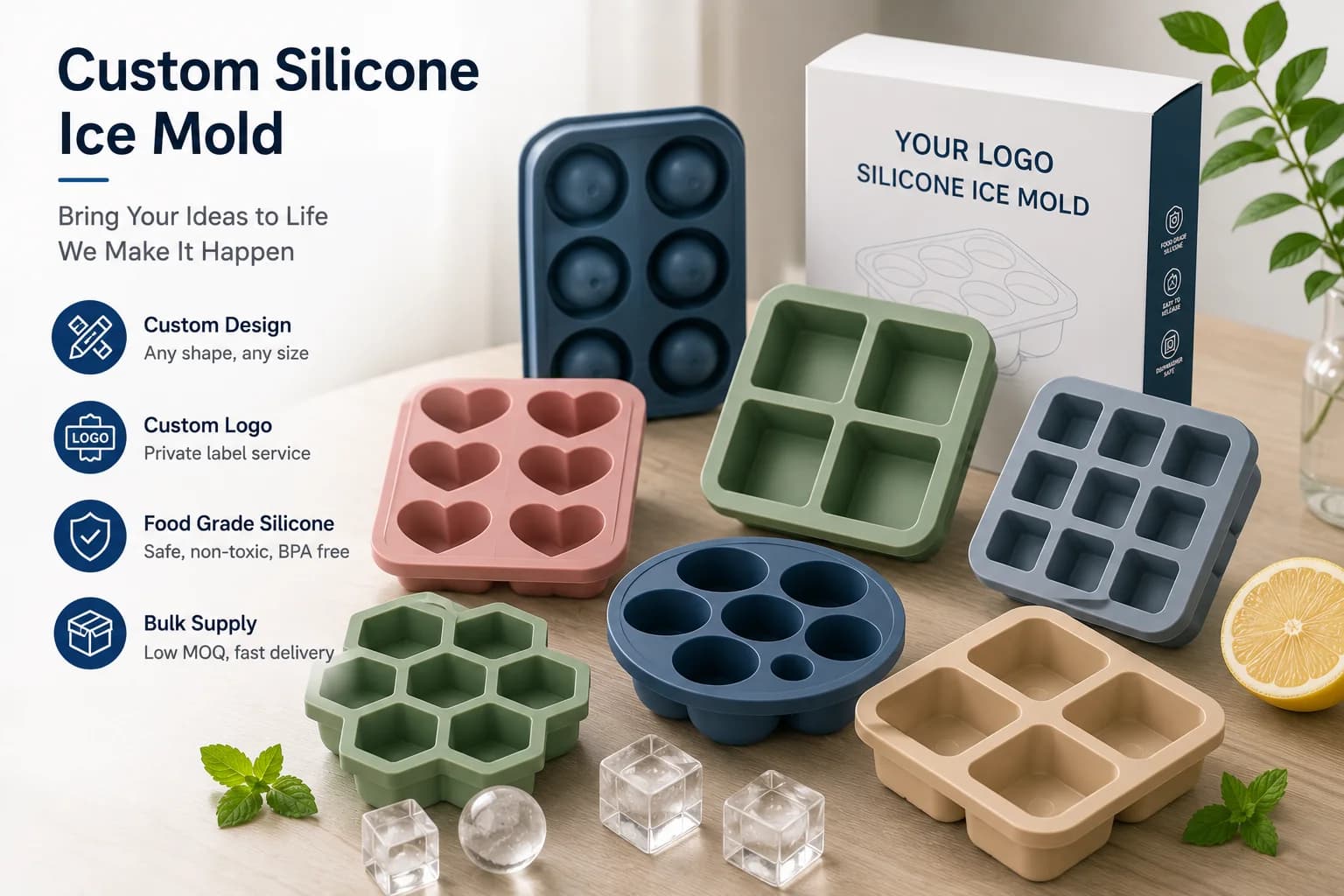
Not necessarily to identical appearance. A Pantone code is a useful reference, but the final color depends on the silicone base, the pigments, and the mold's surface texture. A responsible manufacturer will tell you whether a requested color is achievable and what a practical match looks like on food-grade silicone, rather than promising an exact duplicate. [K4]
Q2. How many color samples should I plan for?
Plan for at least one sampling round as part of the development process, and budget for an iteration if your brand program is strict. The number depends on the reference you provide and the complexity of the color. A physical color reference and a clear acceptance criterion reduce the number of rounds. [K2]
Q3. Will the Pantone match look the same on my screen as on the final product?
No. Screens display light, while silicone reflects light off a semi-matte, textured surface. Always judge the color on a molded sample under controlled lighting, not on a photo or monitor. The food-grade and temperature-resistant properties of silicone also make it a different color surface than paper or plastic. [K4]
Q4. Does a custom color affect the MOQ or lead time?
Yes, it can. Color formulation and sampling add a development step before production begins. Confirm the MOQ, tooling, sampling, and lead-time planning with the manufacturer before you commit to a schedule. [K2]
7. Conclusion
Pantone color matching for a custom color silicone ice tray is a realistic, manageable process — as long as buyers treat it as a development step rather than a one-click request. The winning approach is simple: provide a clear color brief with physical references, approve a molded sample under controlled lighting, and keep that sample as the benchmark for production and inspection.
For most projects, a close visual match on food-grade silicone is the right target, not a theoretical exact duplicate. By combining custom color development with practical guidance for tooling, sampling, production, and inspection, a silicone OEM/ODM can help buyers move from idea to dependable production. [K3]
The next step is practical: before you request a quote, write down your Pantone code, your physical reference, and your acceptance criteria — then send all three to the manufacturer together. That single habit will save more time than any other part of the color matching process.