Key Takeaways
- Private-label ice cube tray projects typically start with a custom mold, and most silicone OEM/ODM suppliers support customization of cavity design, product shape, size, color, logo, and packaging [K1].
- Material verification is the first quality gate: food-grade silicone, odorless performance, and temperature resistance from -40°C to 240°C are baseline specifications to confirm with the manufacturer [K5].
- A well-managed project moves through design review, tooling, sampling, and pre-shipment inspection, with MOQs and lead times agreed in advance [K2].
- Compliance is a market-specific documentation task, not a marketing slogan. Ask for verifiable evidence and avoid unsupported certification claims [K2].
- The most dependable supplier relationships are built on responsive OEM/ODM support, clear communication, and practical project guidance across every stage of development [K3].
1. Introduction
Launching a private-label kitchen product is more involved than placing a logo on an existing item. When the product is a custom logo silicone ice mold, the buyer must coordinate three things simultaneously: the physical design of the mold, the packaging that carries the brand, and the documentation required by the destination market.
For many importers, retail brands, and promotional product distributors, the challenge is not finding a factory with an ice cube tray in its catalog. The real challenge is finding a manufacturing partner that can manage the entire lifecycle of a custom silicone product—from cavity design and color matching to tooling, sampling, packaging, and final inspection [K1][K2]. In a market where buyers increasingly want branded, shaped, and giftable ice molds, the difference between success and a costly reorder usually comes down to how carefully the project was planned.
This article provides a practical buyer's checklist for anyone sourcing private-label ice cube trays. It draws on verified reference knowledge about silicone OEM/ODM project flows and product specifications to help you ask the right questions, avoid common mistakes, and move from idea to dependable production [K2][K3].
2. Start with the Product: Silicone Mold Specifications
Before you discuss logos or packaging, you need to be clear about the product itself. A custom logo silicone ice mold is more than a shaped tray; it is a food-contact product that must perform reliably at freezing temperatures, survive repeated use, and clean easily.
Verified supplier specifications for food-grade silicone used in custom ice molds include:
- Material: silicone
- Food-contact grade: food-grade
- Odor: odorless
- Temperature resistance: -40°C to 240°C (-40°F to 464°F)
- Customization: custom sizes, colors, shapes, and packaging available [K5]
These specifications matter in practical ways. The temperature range tells you a properly sourced mold can handle standard freezer temperatures with a large safety margin and can also tolerate hot water or dishwasher cleaning without warping [K5]. The food-grade classification is essential because the mold sits in prolonged contact with water and ice that people consume. Odorless performance may seem minor, but it is a common complaint with low-quality silicone and directly affects the end-user experience [K5].
Beyond material, the geometry of the mold is a core customization point. Manufacturers typically allow buyers to customize cavity design, product shape, and size, which affects both the appearance of the finished ice and the ease of release [K1]. If you are designing an unusual cavity—a bottle-shaped cube, a geometric sphere, or a branded emblem—request a sample and test ice release, flexibility, and durability before finalizing the design.
For a related manufacturing reference, review custom silicone ice mold manufacturing.
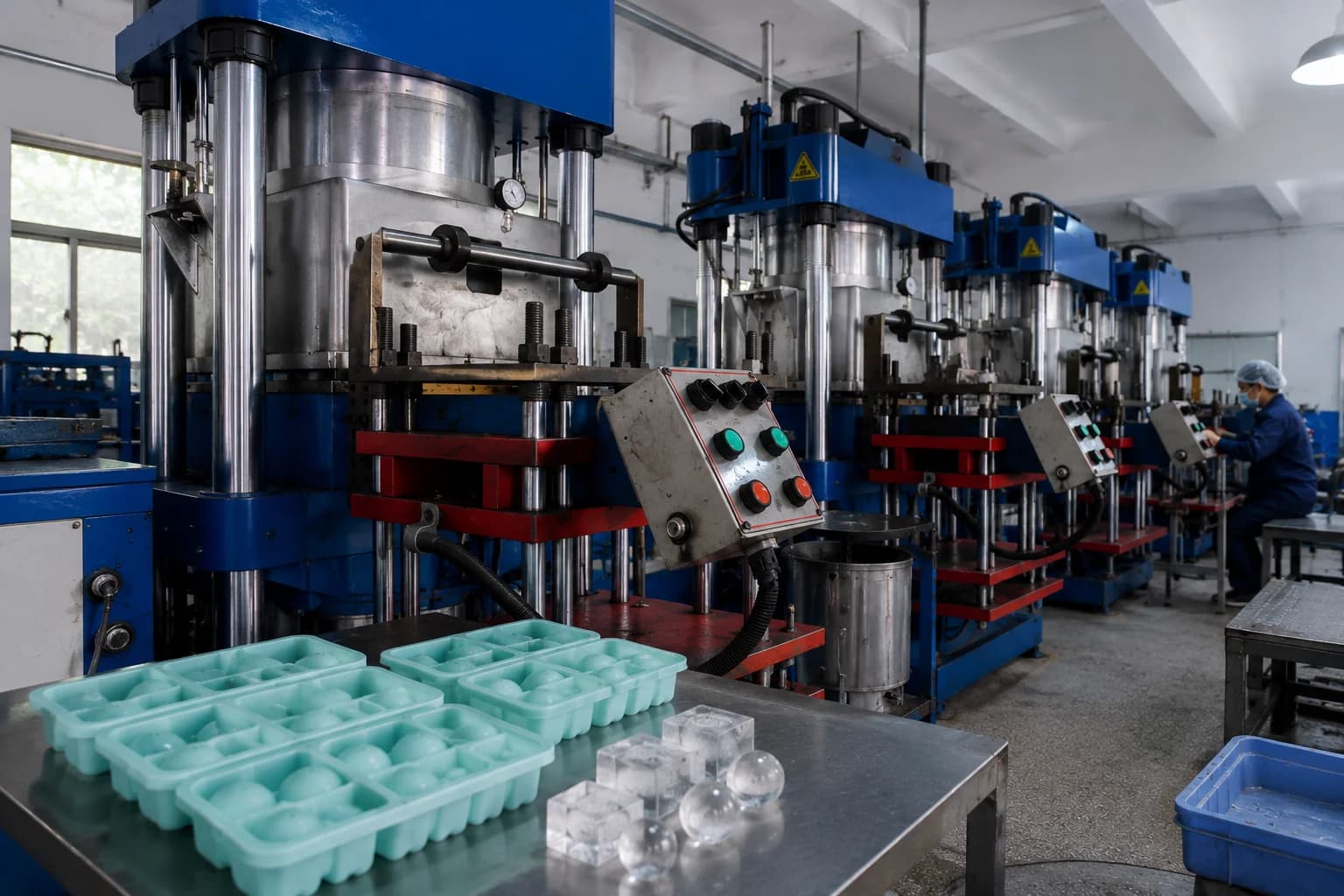
Practical recommendation: Create a product specification sheet that includes dimensions, cavity count, wall thickness, color reference (such as a Pantone number), material grade, and functional expectations. Share it with the manufacturer during the design review stage and ask them to confirm feasibility before tooling begins [K2].
3. Packaging and Design-File Preparation
Packaging is the most visible part of a private-label product, and it is also a common source of delays. For custom silicone products, packaging is a standard customization option alongside shape, size, color, and logo [K1]. Buyers can typically choose between retail packaging (boxes, hang cards, or clamshell-style display packaging) and bulk or promotional packaging (polybags, display boxes, or customized cartons).
Several packaging decisions should be made early in the project:
- Brand placement: logo, brand name, and visual identity on the package.
- Label content: product name, material, care instructions, and country of origin.
- Retail requirements: barcodes, pricing fields, and display dimensions.
- Packaging materials: whether the packaging must meet a specific recyclability or sustainability requirement from your buyer or market.
Product-category knowledge for custom silicone products explicitly includes packaging and design-file preparation as a core sourcing topic [K2]. In practice, this means submitting print-ready artwork with the correct color profiles, safe margins, and bleed. A common failure point is sending low-resolution web images as print files, which can cause rework or packaging delays that push back your entire launch schedule.
Practical recommendation: Ask your manufacturer for artwork guidelines before you brief a designer. Confirm the accepted file formats, color standards, font embedding rules, and minimum effective resolution for each packaging component. Also request a physical or digital pre-production proof of the final package before the full production run begins [K2].
4. Managing the Project: MOQ, Tooling, Sampling, and Lead Times
A custom silicone mold project is, at its core, a manufacturing project. The typical sequence moves from design review to tooling, sampling, and production, and buyers who understand this flow avoid the most common sourcing surprises [K2].
Key project milestones include:
- Design review. The manufacturer reviews your specifications for feasibility, identifies production risks, and recommends adjustments before any metal is cut.
- Tooling. Custom cavity designs require a mold. Confirm the number of cavities, expected mold lifespan, and tooling ownership terms before you commit.
- Sampling. Request a pre-production sample before full production. Test it for dimensions, finish, color accuracy, logo placement, and ice release.
- Production and inspection. Agree on quality-inspection points, including a pre-shipment inspection, before the goods leave the factory [K2].
Two terms buyers should clarify early are MOQ (minimum order quantity) and lead time. MOQs for custom silicone products vary depending on mold size, order complexity, and packaging requirements. Lead times are influenced by tooling production, sample approval cycles, and production scheduling [K2]. A realistic timeline should include buffer for sample revisions, which are common when a logo or cavity shape needs adjustment.
For additional context on this decision, see Custom Ice Mold Packaging: Preventing Deformation During Storage and Shipping.
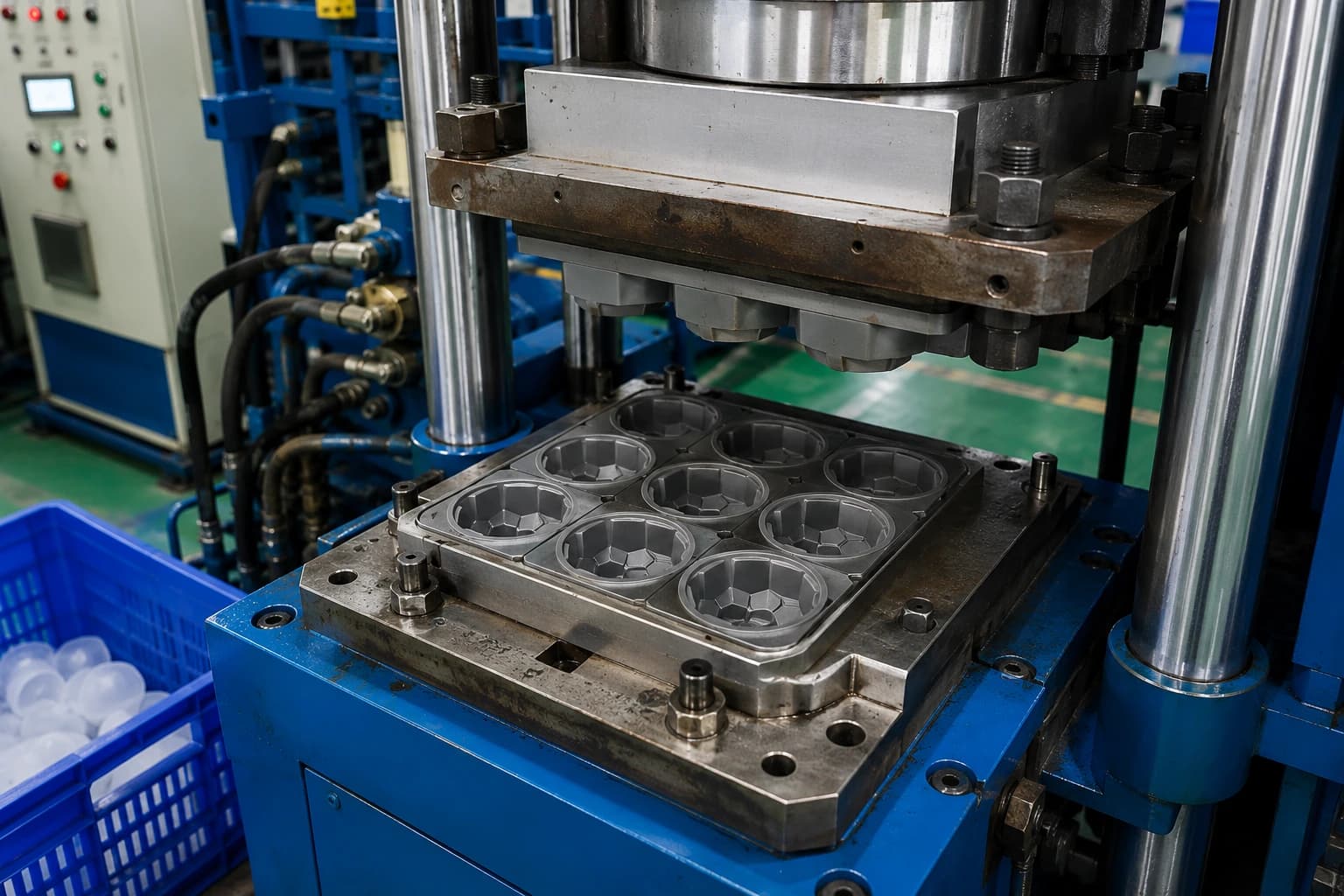
Practical recommendation: Draft a written project plan that lists tooling costs, unit pricing at the agreed MOQ, sample delivery dates, production time, and inspection milestones. Ask the manufacturer to confirm each milestone in writing, and treat the first approved sample as the reference standard for the entire order [K2].
5. Compliance Planning Without Unsupported Claims
Compliance is where buyers are most exposed to confusion, because food-contact rules and labeling requirements differ by country and change over time. The reliable guiding principle is this: plan for compliance, but do not rely on generic claims.
Verified reference knowledge explicitly frames this as "market-specific compliance planning without unsupported certification claims" [K2]. The distinction matters. A supplier's marketing language is not proof of compliance, and a certificate that satisfies one market may have no value in another.
What buyers should do:
- Identify the destination market and research its food-contact regulation framework.
- Ask the manufacturer which tests, certificates, or technical documentation they can provide for that specific market.
- Verify certificates with the issuing body or a qualified third-party inspector.
- Retain copies of material declarations and test reports for your own records.
- Confirm that the final packaging and labeling meet the destination market's language and disclosure requirements.
A cautious approach protects both the buyer and the brand. If a supplier cannot document a compliance claim, or responds with vague assurances, treat that as a red flag. A responsible OEM/ODM partner supports compliance planning through clear communication and verifiable documentation rather than overstated promises [K2][K3].
Practical recommendation: Before production, request a compliance checklist for your target market and compare it against your product's material, ink, and packaging components. If any claim is unclear, have a third-party testing laboratory or compliance consultant verify it before you place a large order.
6. Key Comparison: What to Verify at Each Project Stage
The table below summarizes the critical checkpoints for a custom logo silicone ice mold project from design to delivery, based on verified OEM/ODM project guidance [K1][K2][K5].
Before finalizing the specification, use Pantone Color Matching for Silicone Ice Trays: What Buyers Should Expect as an additional planning reference.
| Project Stage | What to Verify | Example Question to Ask | Why It Matters |
|---|---|---|---|
| Design review | Geometry, cavity design, material choice | "Can this cavity shape be molded without weak points?" | Avoids design features that fail in production or use [K1] |
| Material specification | Food-grade silicone, odorless, temperature range | "Can you document a temperature range of -40°C to 240°C?" | Protects food-contact safety and cleaning durability [K5] |
| Tooling | Mold construction, cavity count, ownership | "Who owns the tool if I change suppliers later?" | Prevents unexpected retooling costs |
| Sampling | Color, logo, dimensions, release performance | "Can I test ice release and dishwasher durability on this sample?" | Confirms the product matches the approved design [K2] |
| Packaging | Print files, labels, barcode, materials | "What are your artwork file and resolution requirements?" | Reduces packaging delays and rework [K2] |
| Compliance | Market-specific documentation | "Which tests or certificates apply to my destination market?" | Avoids unsupported claims and import issues [K2] |
| Inspection | Pre-shipment quality check | "Can we perform a pre-shipment inspection before dispatch?" | Confirms production quality before final payment and shipment [K2] |
Use this table as a working checklist. Not every project will need every checkpoint, but documenting each one in writing will protect you if a problem appears after the goods have shipped.
7. FAQ
Q1. What customization options are available for private-label silicone ice cube trays?
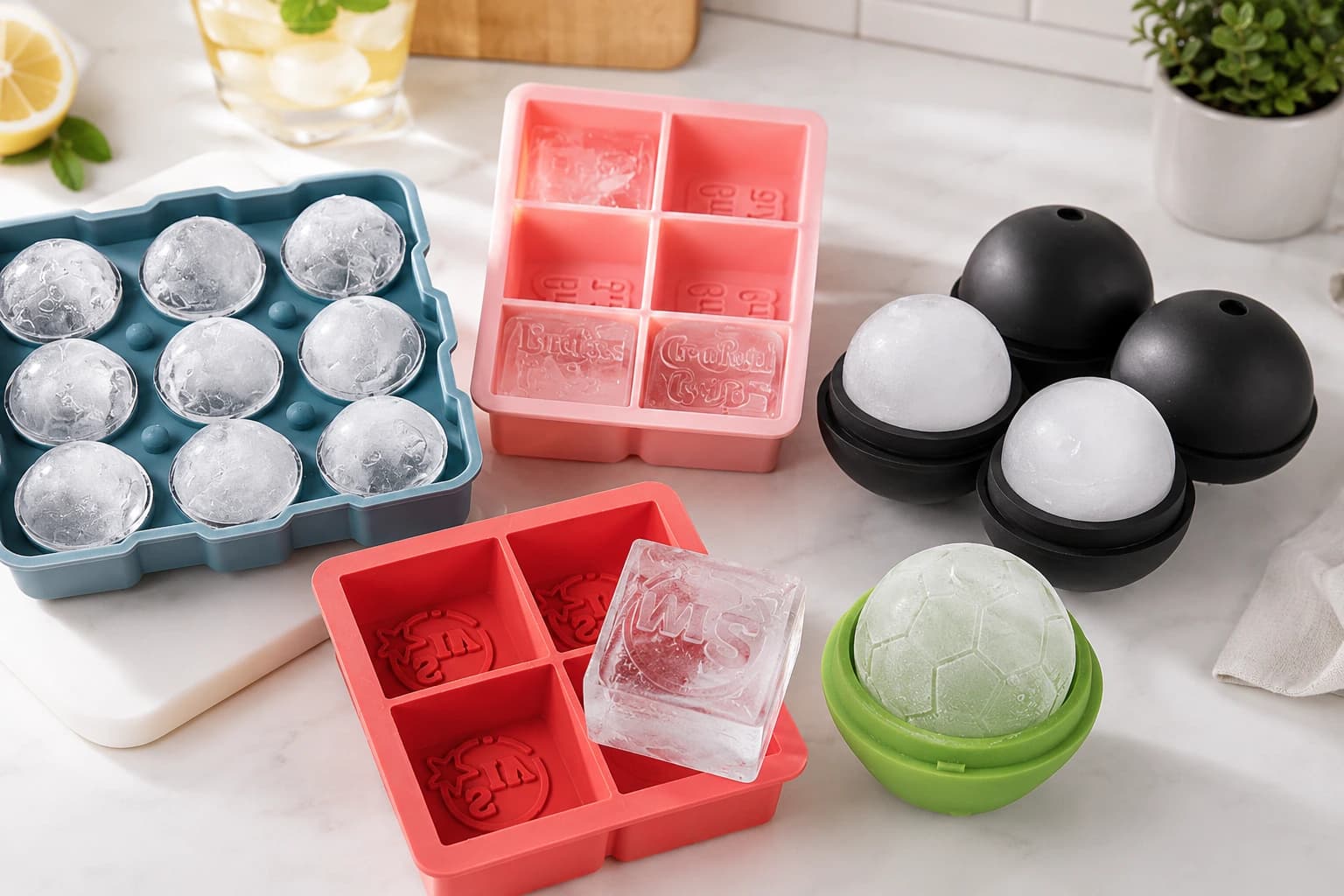
Typical customization options include cavity design, product shape, size, color, logo, and packaging [K1]. Manufacturers also support design-file preparation and packaging development, so your branding and label requirements can be aligned before production begins [K2].
Q2. Is food-grade silicone safe for ice cube trays?
Verified product specifications for food-grade silicone include odorless performance and temperature resistance from -40°C to 240°C [K5]. However, "safe" also depends on compliance, which is market-specific. Buyers should ask manufacturers for verifiable documentation rather than relying on generic claims [K2].
Q3. What is a realistic project workflow for custom silicone ice molds?
A typical workflow moves from design review to tooling, sampling, and production, with pre-shipment inspection as the final quality checkpoint [K2]. Confirming MOQs and lead times early, and treating the approved sample as the reference standard, will reduce surprises during production.
Q4. How should I plan for compliance on a custom silicone ice cube tray?
Plan compliance by destination market. Identify the applicable food-contact and labeling requirements, request supporting documentation from your manufacturer, and verify certificates with a qualified third party [K2]. Avoid suppliers that rely on vague or unsupported compliance language.
8. Conclusion
Private-label ice cube trays are a practical product category for brands entering the custom silicone market. They are small, highly customizable, and work well across household, kitchen, and promotional product lines [K4]. But a successful launch depends less on the product itself and more on how the project is managed.
The buyer's checklist is straightforward: verify the material and temperature specifications, prepare design files and packaging carefully, clarify MOQs, tooling, sampling, and lead times, and treat compliance as a market-specific documentation task [K2][K5]. Whether you are sourcing custom logo silicone ice molds for a retail brand, a promotional campaign, or a hospitality program, the same discipline applies.
Work with a manufacturer that combines custom silicone product development, responsive OEM/ODM support, and evidence-aware compliance planning [K3]. Start with a detailed specification sheet, request a pre-production sample, and confirm your inspection and documentation plan before production begins. That approach will help you move from idea to dependable production with fewer surprises and a product you can stand behind.