Key Takeaways
- Sphere ice slows dilution because a sphere has less surface area per unit of volume than a cube of the same size, so it chills your whiskey without watering it down too fast.
- A foldable silicone ice ball mold combines the slow-melting advantage of sphere ice with a design that releases ice easily and cleans up quickly.
- Food-grade silicone ice molds are odorless and rated from -40°C to 240°C (-40°F to 464°F), which covers freezer storage, hot-water washing, and dishwasher cycles in most kitchens [K5].
- Ice molds are relevant in household, kitchen, and promotional product categories, so a custom sphere mold can work for home use, bar gifts, or branded merchandise [K4].
- Before ordering custom molds, confirm material composition, dimensions, certifications, MOQ, and lead time with the manufacturer; a published product portfolio does not guarantee current stock or availability [K4].
1. Introduction
There is a quiet ritual at the center of every good whiskey pour: the ice. Drop two standard cubes into a glass of bourbon, and within a few minutes the drink starts to pale, the flavors flatten, and what began as a rich pour turns into something closer to cold water. The culprit is not the whiskey. It is the surface area of the ice.
Most drinkers accept watered-down whiskey as inevitable. But the problem is solvable. The shape of the ice, not just its temperature, determines how quickly it melts. A sphere melts more slowly than a cube, which is why sphere ice has become a standard tool in bars that take whiskey seriously. The challenge is making sphere ice at home without specialized equipment. This is where a sphere ice ball maker, particularly a foldable silicone ice ball mold, comes in.
For a related manufacturing reference, review custom silicone ice mold manufacturing.
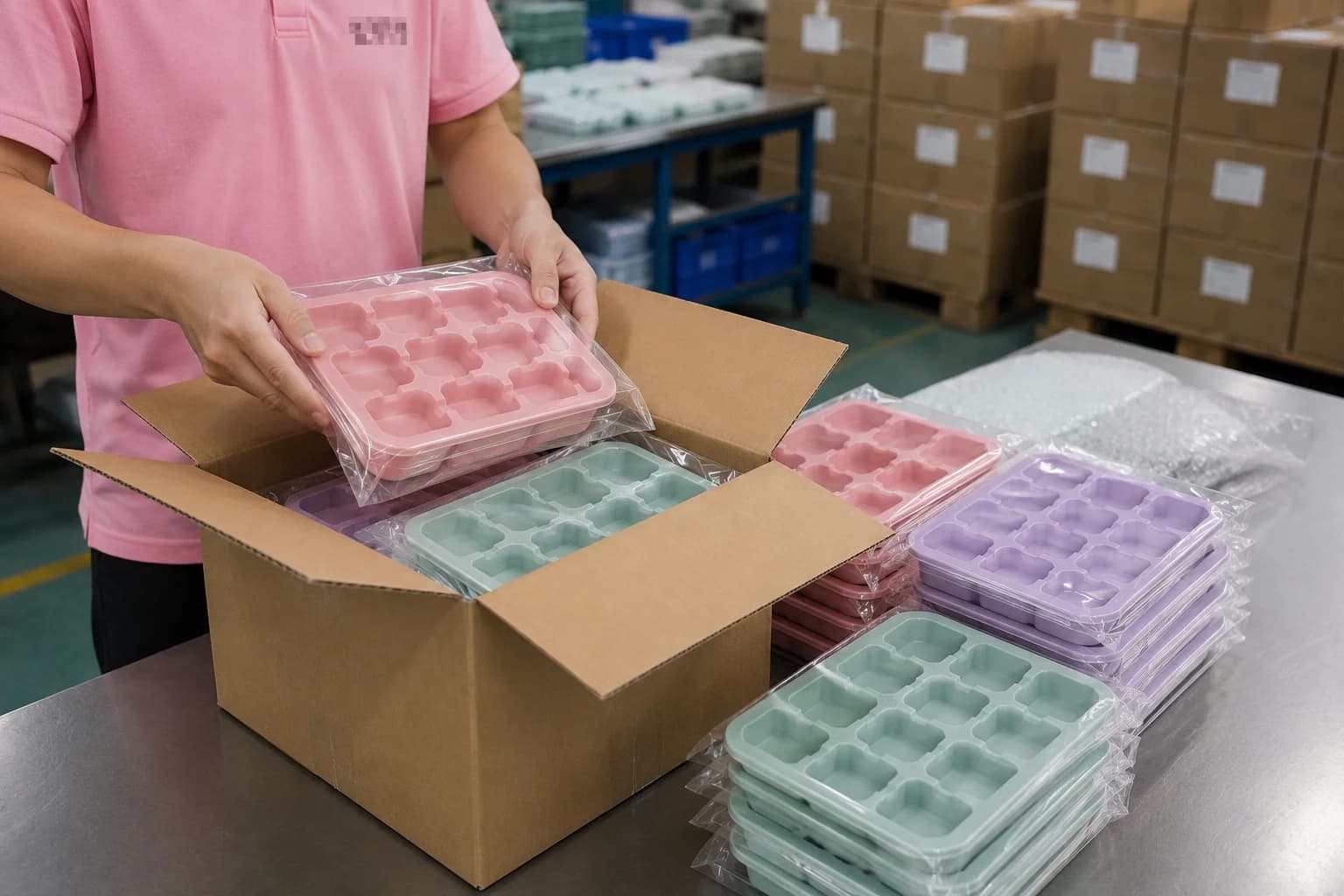
This article explains why a sphere ice ball maker is worth adding to your whiskey setup, how a foldable silicone ice ball mold works in practice, and what to look for when buying or customizing one. It also compares ice shapes and mold materials so you can make an informed decision based on facts rather than marketing language.
2. Why Ice Shape Matters: The Case for Sphere Ice
Core conclusion: The shape of ice directly controls dilution rate, and a sphere is the most effective common shape for slow-melting whiskey ice.
To understand why, you need one geometric fact: for the same volume of ice, a sphere has the smallest surface area of any shape. A standard ice cube has six flat faces and eight corners, which expose a large amount of surface to the liquid. Corners melt first, which is why the edges of a cube disappear quickly in a glass. A sphere has no corners and exposes the least possible surface for its volume, so it melts at a slower rate.
This matters for a practical reason: whiskey is defined by flavor compounds, and dilution changes how those compounds present themselves. A little water opens up the aroma and softens the burn—that is a legitimate technique used by many drinkers and even distillers. But too much water masks the character of the spirit. A sphere gives you more control over that process. You get the chilling effect without racing toward a watery glass.
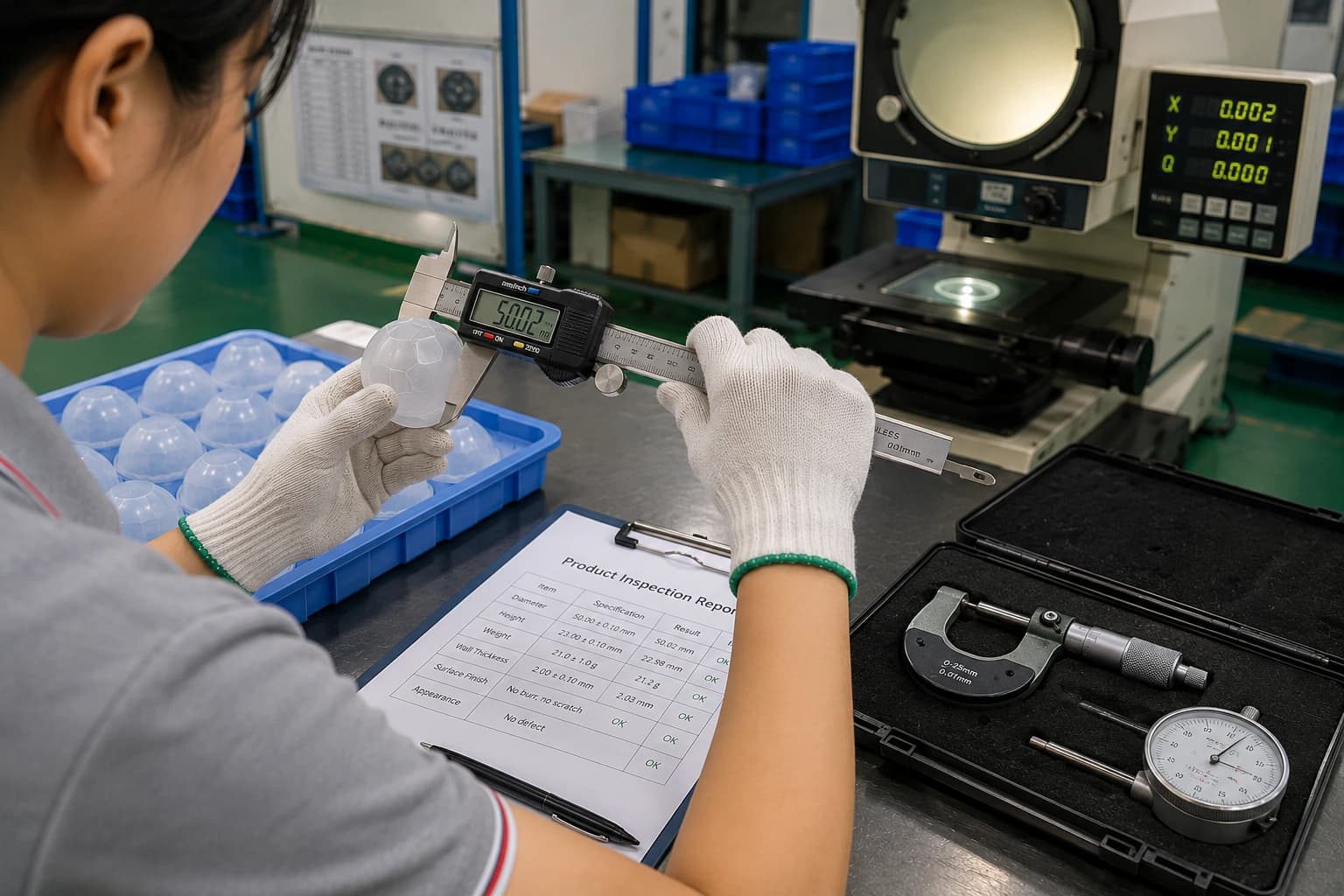
Practical advice: Use a sphere ice ball for neat pours, cask-strength whiskey, and any session where you want to sip slowly over 20 minutes or more. If you prefer a very cold, quickly chilled drink, smaller ice is fine. But for sipping whiskey, the sphere is the more controlled choice.
For additional context on this decision, see Foldable Silicone Ice Ball: Easy Storage and Perfect Round Ice Every Time.
A good sphere ice ball maker should therefore be judged on whether it can produce a solid, well-formed sphere without leaks, cracks, or a frustrating release process. This is exactly where a foldable silicone design outperforms most alternatives.
3. Why a Foldable Silicone Ice Ball Maker Is a Practical Tool
Core conclusion: A foldable silicone ice ball is not just about the shape of the ice—it solves the practical problems that make people abandon homemade ice spheres: stuck molds, cracked ice, and messy cleanup.
Traditional rigid molds, usually made of hard plastic, force you to twist, pull, and sometimes run hot water over the mold just to free the ice. This often produces cracked or cloudy spheres. Metal sphere molds can make clear ice but are expensive and require careful handling. The flexible silicone approach is different: you fill the mold, freeze it, then fold or peel the silicone away from the frozen ball. The foldable design means you are not fighting the mold to release the ice.
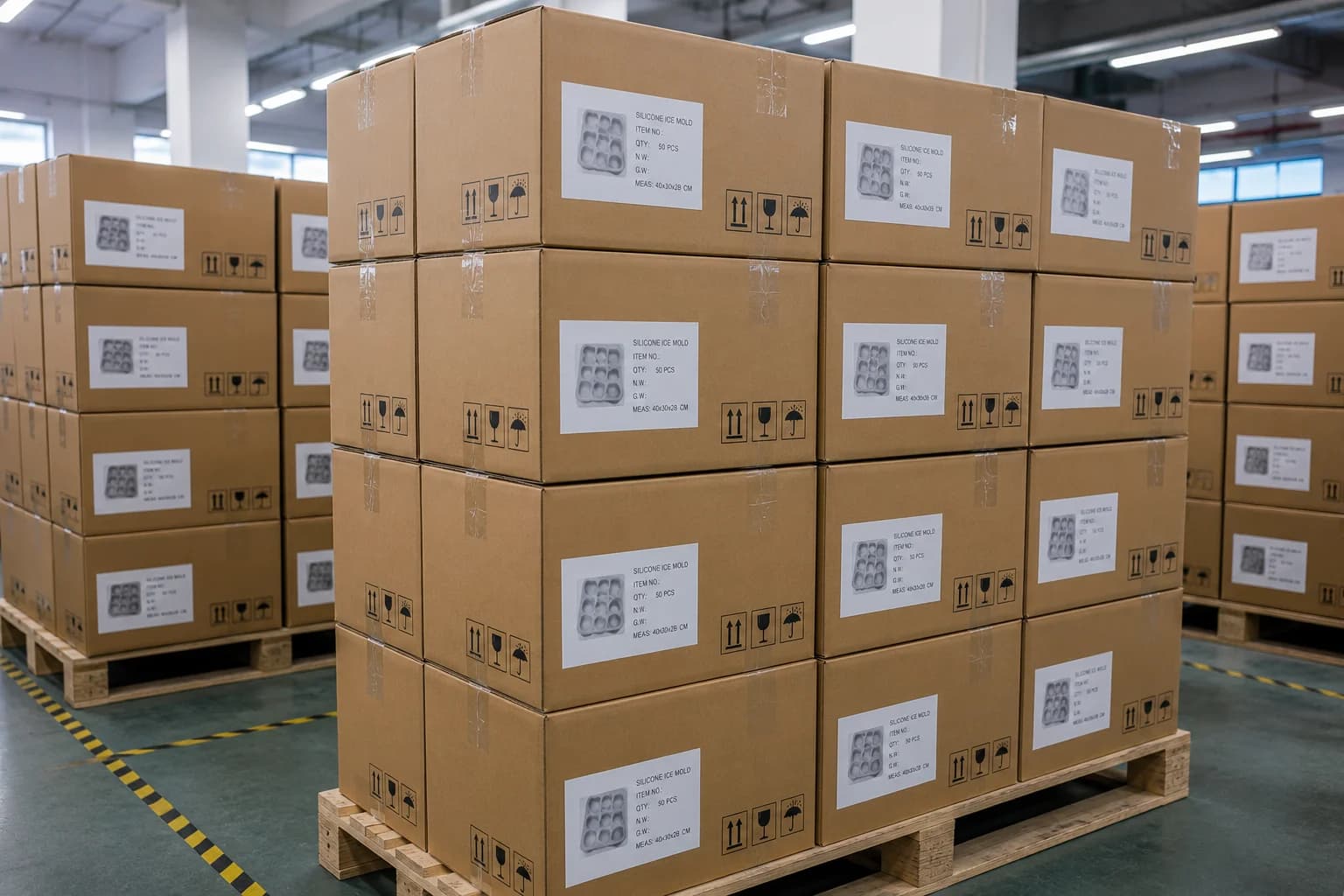
This design is built on materials that are well suited to the job. Food-grade silicone is safe for ice that goes directly into a drink [K5]. It is odorless, so the ice will not pick up a plastic or rubber smell [K5]. And it handles a wide temperature range of -40°C to 240°C (-40°F to 464°F), which means the same mold can go from the freezer to warm running water or a dishwasher cycle [K5]. These material properties make silicone a reliable choice for repeated freeze-and-release cycles. These figures come from Renjia's verified product knowledge base for custom silicone ice molds [K5], a useful benchmark when comparing supplier specifications.
Before finalizing the specification, use Large Silicone Ice Cube Tray Sphere vs Round Ball Ice Maker: Which Is Better? as an additional planning reference.
There is also a practical scale question. A single-ball mold is fine for one glass, but if you entertain regularly, choose a mold with two or more cavities. Fill them in advance, keep them in the freezer, and you always have a sphere ready. The foldable design also makes storage easier because the mold can be flattened when not in use.
Practical advice: For home use, keep at least two sphere molds in rotation. Fill with filtered water, freeze for at least 12 hours for a fully solid ball, and release by gently folding the silicone from the bottom edges toward the top. This minimizes the chance of breaking the sphere during removal.
4. What to Look For When Buying or Customizing a Silicone Ice Ball Mold
Core conclusion: Not all silicone ice molds are equal. The right choice depends on material quality, mold design, and whether you need standard or customized production.
Start with material. A silicone ice ball mold intended for food contact should be made from food-grade silicone [K5]. Confirm the material's temperature range and whether the product is odorless, because low-grade silicone can impart off-flavors to ice [K5]. The manufacturer's specification sheet is the first and most reliable place to check these details.
Next, look at the mold design. A genuine foldable mold has a seam and flexible walls that allow the cavity to open wide for release. Check the sealing: if the two halves do not close tightly, water may leak during freezing, resulting in a misshapen ball or a mess in the freezer. These considerations are part of what manufacturers evaluate during cavity design and sampling—a reminder that the quality of an ice mold is determined long before it reaches the consumer [K1].
For businesses, the customization pathway adds another layer. Silicone