Key Takeaways
- Spherical ice cubes melt slower than traditional cubes due to their reduced surface area-to-volume ratio, minimizing dilution in premium beverages
- When sourcing large quantity ice cube trays, prioritize food-grade silicone materials that are odorless and temperature resistant (-40°C to 240°C)
- Custom spherical ice molds offer flexibility in size, color, shape, and branding options for both commercial and home applications
- The production process for custom ice molds typically involves design review, sampling, tooling, and quality inspection phases
- Commercial establishments should evaluate MOQ requirements and lead times when ordering specialized ice molds in bulk
1. Introduction
The craft of premium beverage service has evolved to recognize ice as more than just a cooling agent—it's an integral component of the drinking experience. As discerning consumers and professional mixologists seek to perfect their craft, the demand for high-quality ice that maintains optimal temperature without rapid dilution has grown significantly. Traditional ice cubes often melt too quickly, watering down expensive spirits and complex flavor profiles. This has led to the rise of spherical ice cubes, which have become a hallmark of premium bars and home entertainment spaces.
Spherical ice cubes offer superior performance due to their geometric properties, presenting a more elegant appearance while extending the enjoyment time of premium beverages. This article explores spherical ice cube mold options for creating crystal-clear, slow-melting drinks. We'll examine the benefits of spherical ice, material considerations for ice molds, customization options for large quantity orders, and practical applications for both commercial and home use. Whether you're a bar owner looking to enhance your drink offerings or a home enthusiast aiming to elevate your entertaining game, understanding spherical ice mold solutions can help you achieve professional results at any scale.
2. The Science Behind Spherical Ice
Core Conclusion
Spherical ice cubes melt slower than traditional cubes due to their geometric properties, making them ideal for premium beverages where maintaining flavor concentration is crucial.
Reasoning
The science behind spherical ice's superior performance lies in its geometry. A sphere has the smallest possible surface area relative to its volume of any three-dimensional shape. This means that when placed in a drink, a sphere exposes less surface area to the warmer liquid compared to a traditional cube with the same volume. According to basic heat transfer principles, less surface area results in slower heat transfer and consequently slower melting.
For example, a 2.5-inch diameter sphere has approximately 30% less surface area than a 2-inch cube with equivalent volume. This difference becomes increasingly significant as the ice begins to melt, as traditional cubes develop sharp edges and corners that accelerate melting points. The sphere maintains its shape longer, providing consistent chilling without rapid dilution.
Practical Scenario-Based Advice
When selecting spherical ice molds, consider the size that best suits your typical serving vessels. For standard rocks glasses, 2-inch spheres work well, while larger 2.5-3 inch spheres are better for double old-fashioned glasses or decanters. If you're using the molds for high-end spirits like whiskey or aged rum, the larger spheres provide extended enjoyment without dilution. For cocktails that benefit from some dilution but still require clear ice, consider slightly smaller spheres or combine them with traditional cubes in a ratio that balances clarity and chilling rate.
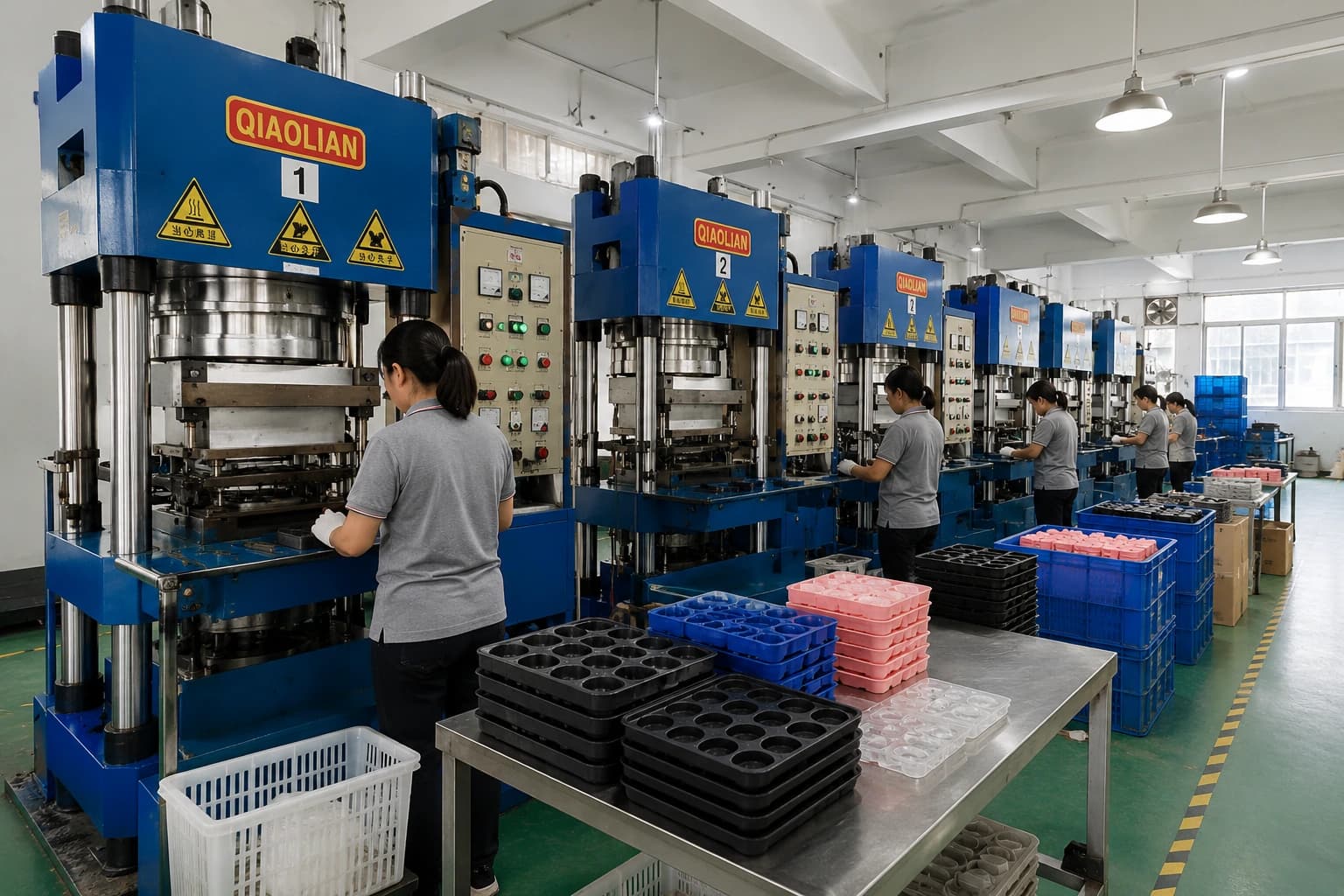
For a related manufacturing reference, review custom silicone ice mold manufacturing.
3. Material Considerations for Ice Molds
Core Conclusion
Food-grade silicone is the optimal material for ice molds due to its flexibility, temperature resistance, and safety profile, making it ideal for creating crystal-clear ice spheres.
Reasoning
When evaluating materials for ice molds, several factors must be considered: food safety, temperature resistance, flexibility for easy ice removal, and durability. Silicone has emerged as the preferred material for premium ice molds due to its exceptional properties. According to verified product specifications, food-grade silicone materials are odorless and can withstand temperatures ranging from -40°C to 240°C (-40°F to 464°F), making them safe for freezing and easy cleaning with hot water [K5].
Unlike rigid plastic molds, silicone's flexibility allows for easy demolding of the ice spheres without cracking or breaking. This flexibility is particularly important for larger ice spheres, which can be more fragile during removal. Additionally, silicone's non-stick properties facilitate quick release, reducing the time and effort required to harvest the ice.
Practical Scenario-Based Advice
When sourcing large quantity ice cube trays, verify that the silicone used is food-grade and certified for direct food contact [K5]. Some manufacturers may use lower-grade silicone that can impart odors or degrade over time. For commercial establishments planning high-volume ice production, consider silicone molds designed for durability and repeated use. These typically feature thicker walls and reinforced construction compared to consumer-grade options.
For home users, prioritize molds with a good balance of flexibility and structure—too flexible and they may be difficult to fill and level; too rigid and ice removal becomes challenging. Look for molds with wide, stable bases to prevent tipping during filling and freezing, especially when working with multiple trays.
4. Customization Options for Large Quantity Orders
Core Conclusion
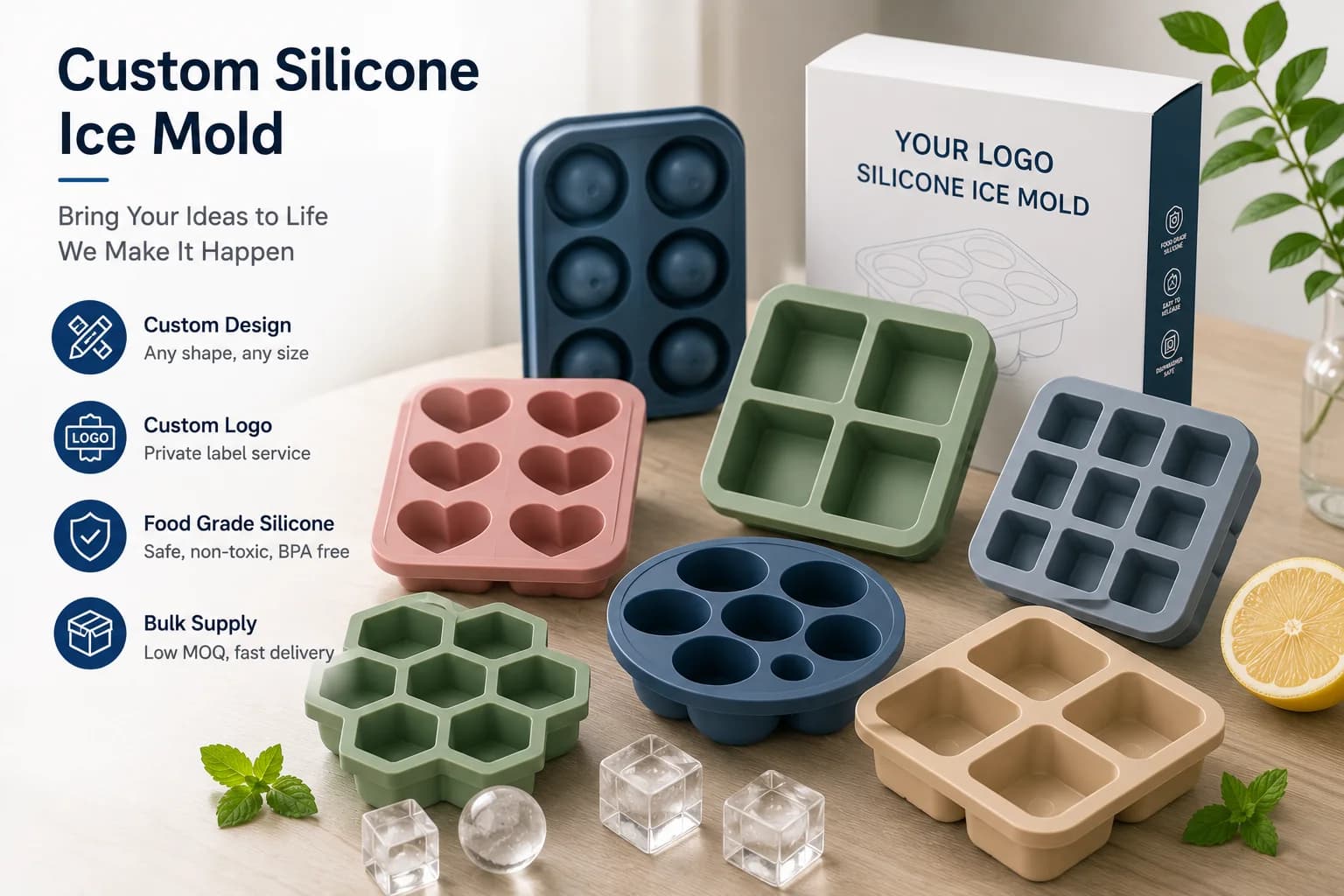
Custom spherical ice molds offer significant branding and functional advantages for commercial establishments, with options for size, shape, color, and logo customization that align with specific beverage programs.
Reasoning
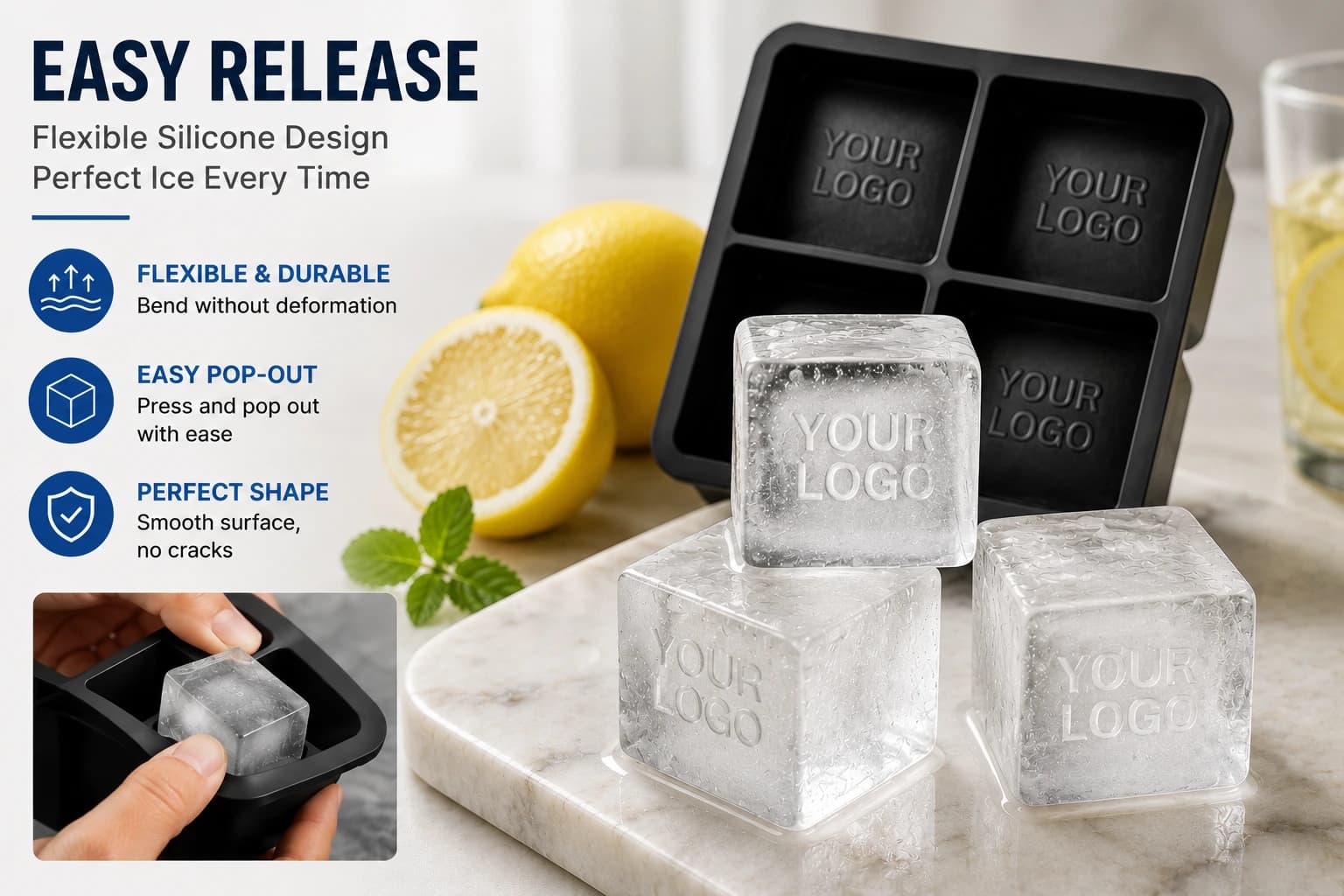
For bars, restaurants, and hospitality venues, ice is not just a functional element but also a component of the guest experience and brand identity. Custom spherical ice molds provide opportunities to enhance brand visibility while optimizing functionality. According to product specifications, customization options for silicone ice molds include custom colors, custom sizes, custom shapes, and custom packaging [K5].
For additional context on this decision, see Ice Ball Molds vs. Large Square Ice Cube Trays for Cocktails.
Customization extends beyond simple branding. Different beverages benefit from specific ice characteristics—larger spheres for spirits, smaller spheres for cocktails, uniquely shaped ice for signature drinks. By ordering molds tailored to specific needs, establishments can streamline their operations and present a more polished, professional appearance.
Practical Scenario-Based Advice
When planning large quantity ice cube tray orders, consider these customization strategies:
- Size Optimization: Determine the ideal sphere size for your primary serving vessels. A bar focused on whiskey might prefer 2.5-inch spheres, while a cocktail bar might use 2-inch spheres across most offerings.
- Brand Integration: Incorporate subtle brand elements into the ice spheres through custom mold designs. This could include partial logos, geometric patterns that complement your bar's aesthetic, or shapes that reference your signature cocktails.
- Color Coordination: While traditional clear ice is most common, consider colored ice for specific applications—herb-infused ice for specialty cocktails, colored ice for thematic events, or subtly tinted ice that complements your brand colors.
- Production Efficiency: When ordering custom molds, discuss MOQ (Minimum Order Quantity) requirements and lead times with your supplier [K3]. Plan orders well in advance to ensure availability for peak seasons or special events.
For establishments with diverse beverage programs, consider investing in multiple mold sizes to optimize ice usage across different drink categories. This approach reduces waste and ensures each beverage receives appropriately sized ice.
5. Key Comparison: Commercial vs. Consumer Spherical Ice Molds
When evaluating spherical ice mold options, it's helpful to compare features across different use cases:
| Feature | Commercial-Grade Molds | Consumer-Grade Molds |
|---|---|---|
| Material Thickness | 0.8-1.2mm reinforced silicone | 0.5-0.8mm standard silicone |
| Production Capacity | Designed for high-volume output | Typically 4-8 spheres per mold |
| Customization | Full customization including logo integration | Limited to standard shapes and sizes |
| Durability | Engineered for 1000+ freeze cycles | Designed for 200-400 freeze cycles |
| Price Point | $15-30 per mold | $8-15 per mold |
| MOQ Requirements | Often 50+ units for custom orders | Typically sold individually or in sets of 2-4 |
6. FAQ
Q1. How long does it take for spherical ice cubes to melt compared to traditional cubes?
Spherical ice cubes melt 20-30% slower than traditional cubes of equivalent volume. This is due to their reduced surface area to volume ratio. In a standard rocks glass, a 2-inch sphere might last 45-60 minutes before significantly diluting the drink, while a traditional cube of similar volume might begin noticeably diluting within 30 minutes.
Before finalizing the specification, use How to Make Crystal Clear Ice Balls with a Foldable Silicone Ice Ball Mold as an additional planning reference.
Q2. What's the best way to achieve crystal-clear ice in spherical molds?
Crystal-clear ice requires directional freezing, which allows impurities to be pushed to one area of the ice. To achieve this with spherical molds, use a cooler or insulated container, place the mold on a slight incline, and freeze from the top down. Alternatively, consider using directional freezing trays first to create clear ice blocks, then cutting them into spheres using specialized sphere-cutting molds.
Q3. Can spherical ice molds be used for freezing liquids other than water?
Yes, spherical ice molds are versatile and can be used for freezing various liquids including juice, coffee, cocktail mixtures, and even baby food. When freezing liquids other than water, consider the freezing point and potential expansion. Some liquids may require slightly different freezing times or may benefit from pre-chilling before pouring into the molds.
Q4. What should I consider when ordering large quantities of custom spherical ice molds?
When ordering large quantities, consider your production needs, storage capacity, and frequency of use. Verify the material specifications to ensure food-grade silicone quality [K5]. Discuss MOQ requirements, lead times, and customization options with your supplier [K3]. Also consider the molds' compatibility with your freezing equipment—some commercial freezing systems may have specific size or shape requirements.
7. Conclusion
Spherical ice cubes represent a simple yet effective solution for enhancing the drinking experience by minimizing dilution while maintaining optimal chilling. Whether for commercial establishments looking to elevate their beverage program or home enthusiasts aiming to perfect their entertaining, the right spherical ice mold can make a significant difference in presentation and drink quality.
When sourcing large quantity ice cube trays, prioritize food-grade silicone materials that offer the right balance of flexibility and durability [K5]. Consider customization options that align with your specific needs, whether that's branding elements, size optimization for different beverages, or color variations for thematic applications.
The journey from mold selection to perfect ice sphere involves understanding the science behind ice melting, evaluating material quality, and considering production logistics. By making informed decisions about spherical ice molds, both commercial and home users can achieve crystal-clear, slow-melting ice that enhances the enjoyment of premium beverages without compromising flavor integrity.
For those ready to invest in spherical ice solutions, start by assessing your specific needs, researching reputable suppliers, and considering the long-term value that quality ice can bring to your beverage offerings. Whether you're crafting a signature cocktail or savoring a fine spirit, the right ice can transform a good drink into an exceptional experience.